2023
Photographer of the Year
Václav Jirásek
Photographer of the Year
Václav Jirásek
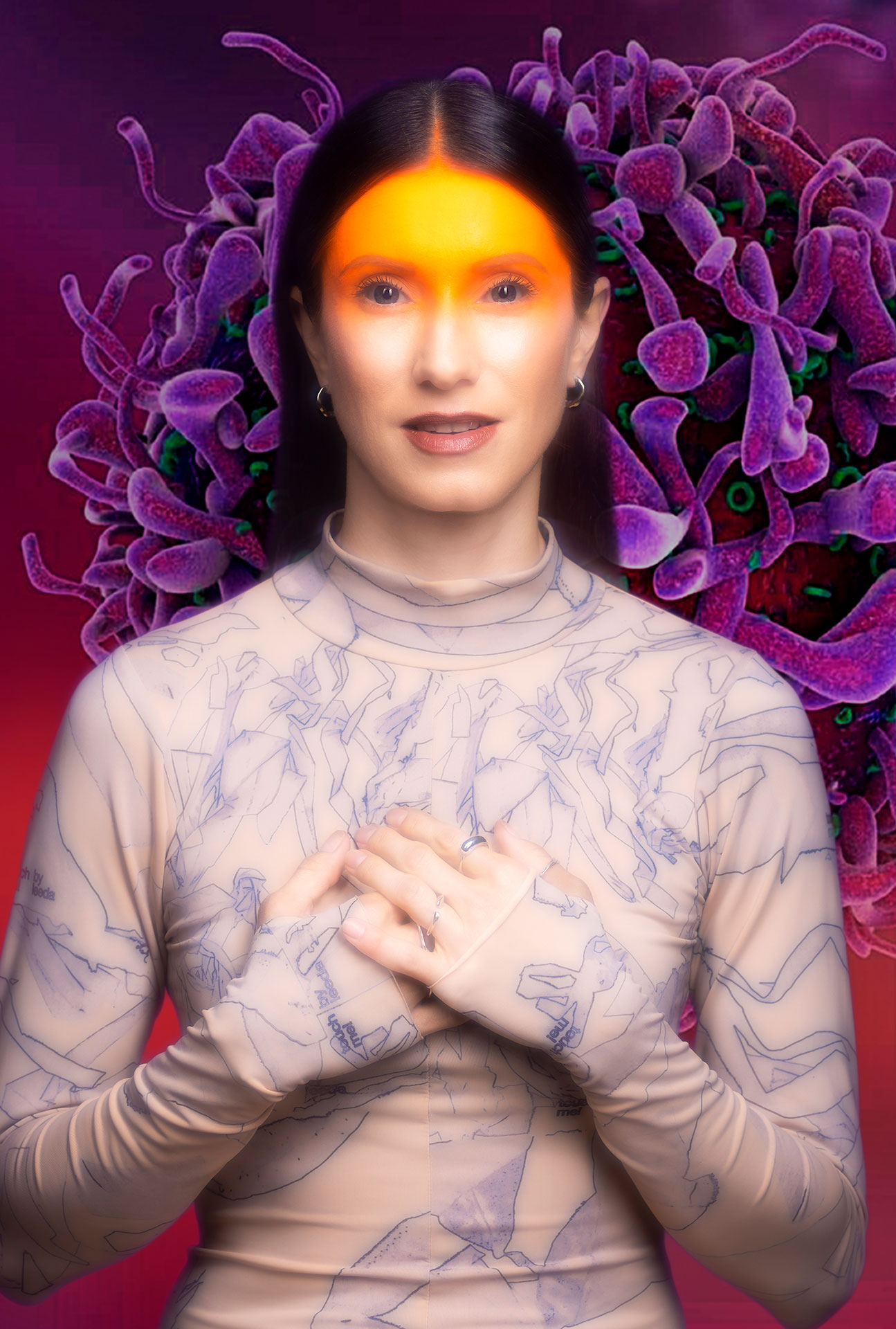
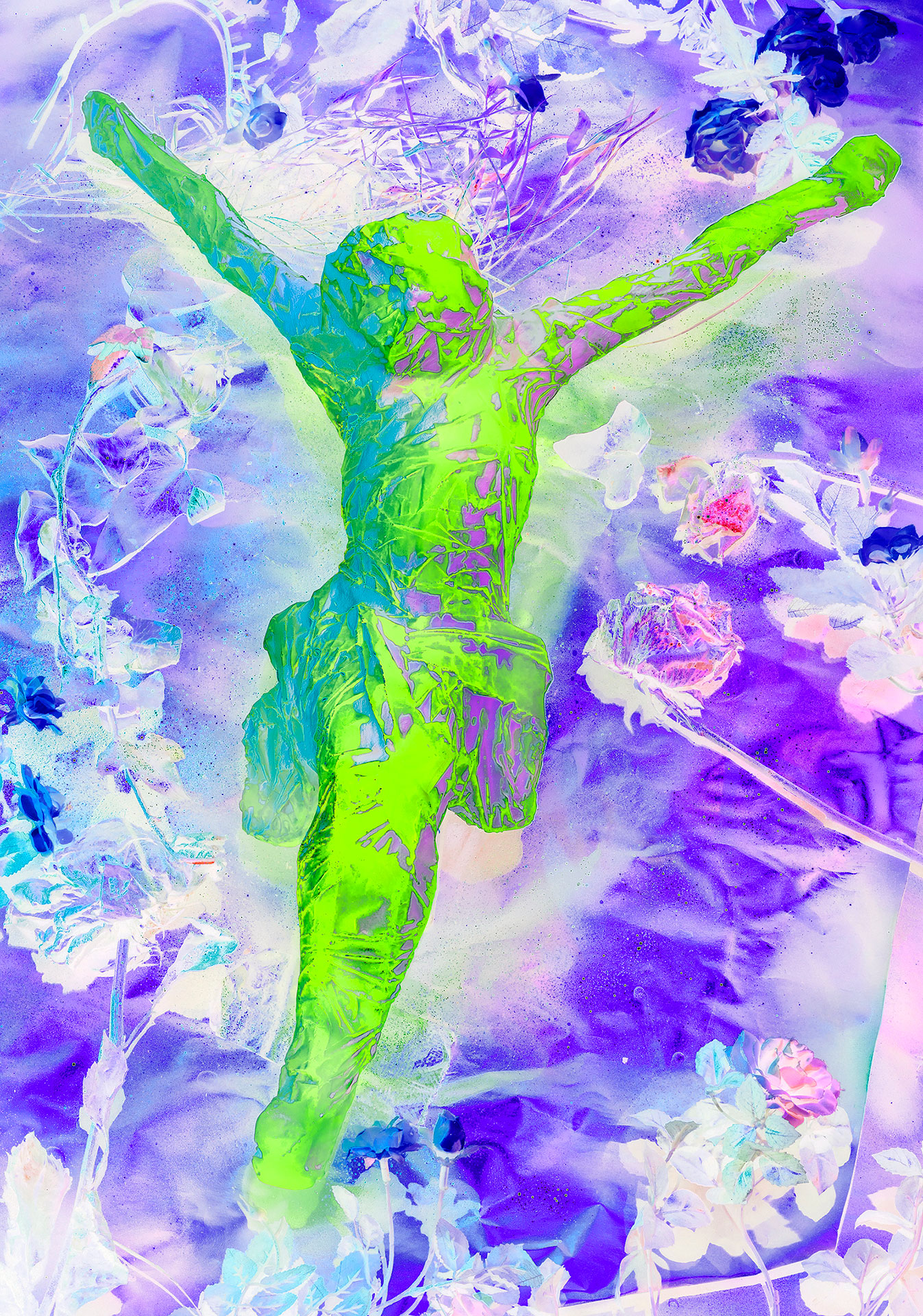
photographs for the Designblok Cosmos exhibition, Dominika Charousová's Mara collection and the Divadlo Na zábradlí campaign (season 22/23)


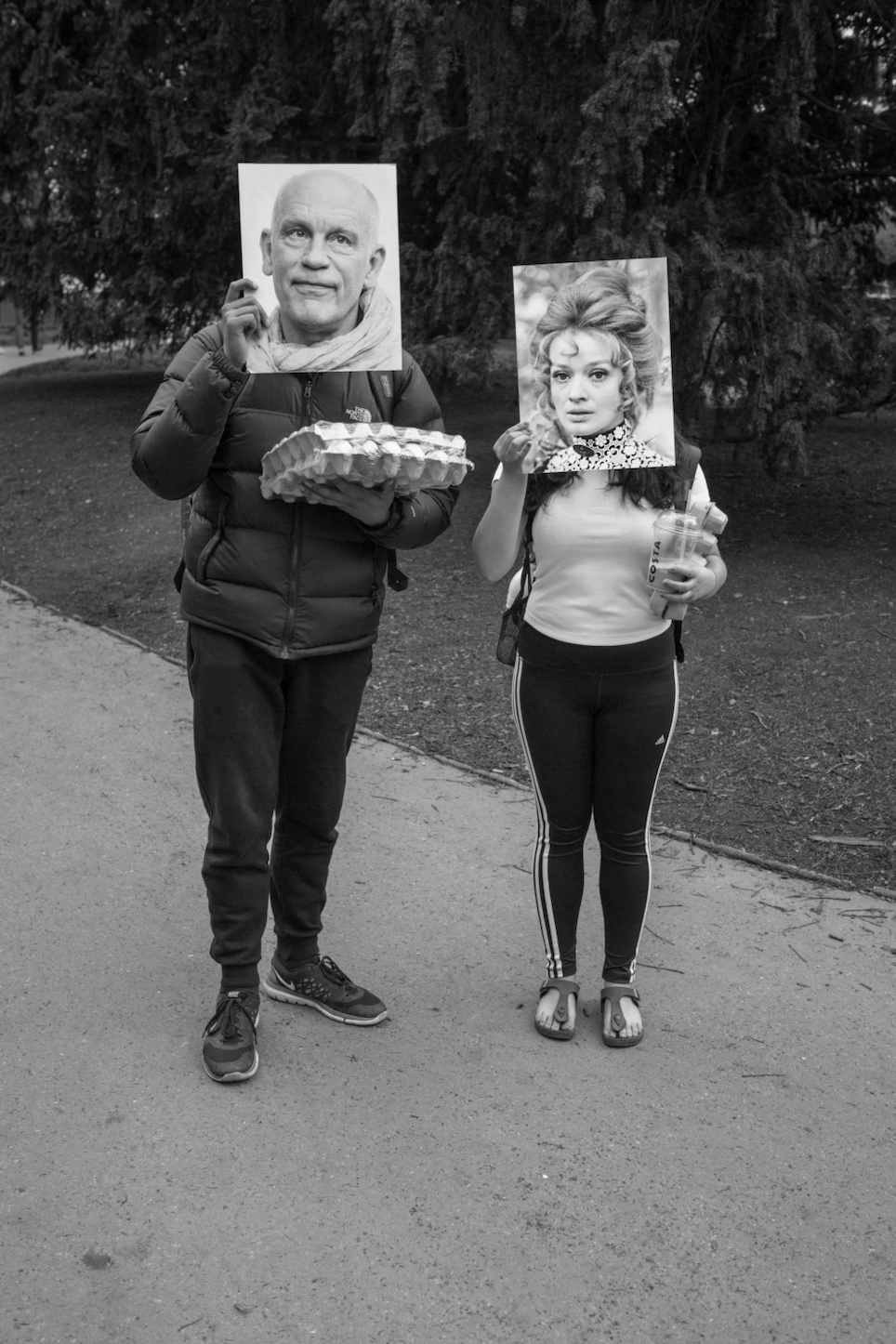
Playing at actors. This is the motif omnipresent not only in Jirásek's photographs taken for the 52nd Karlovy Vary Film Festival, but also in the "permanent" calendar Dramatic Art, devoted to the art group B.K.S. (The End of the World Is Coming). In the first case, unknown people put on photographs of famous faces and indulge in situations such as walking the dog, using public transport or shopping in a convenience store. In the second case, heroes of the National Revival dramas, boasters, Hussites and figures from ancient Bohemian legends along with their gestures full of pathos are exaggerated by thick layers of make-up and costumes all in the spirit of the studio photography practice prevalent at the turn of the 19th and 20th centuries.
A mask as a possibility to completely change an individual, as a tool of transforming a personality as well as a reminder of its anonymity, is one of the crucial motifs found in Václav Jirásek's work. The topical series created for the Karlovy Vary Film Festival, however, turns this principle upside down. While the protagonists of the 2016 posters (also nominated for the Czech Grand Design award) were celebrities escaping the paparazzi lenses, the main actors in 2017 were faceless people begging for viewers' attention while hidden behind a mask. "A famous face works in a similar way as a bold logo," Jirásek says, describing the fast and spontaneous shooting when he set off to distribute the masks – portraits of celebrities – to a group of figurants and chance passers-by. The luxurious logos-faces act here in almost unnaturally civil contexts. The desire to be seen, however, also contains a thrilling paradoxical effect. A mask featuring a famous face in fact enhances the anonymity of its bearer and directly claims: This is not THE celebrity. After all, Belmondo is the last person one would expect to be behind a mask of Belmondo. The guy simply wouldn't be there.
Pavel Turek
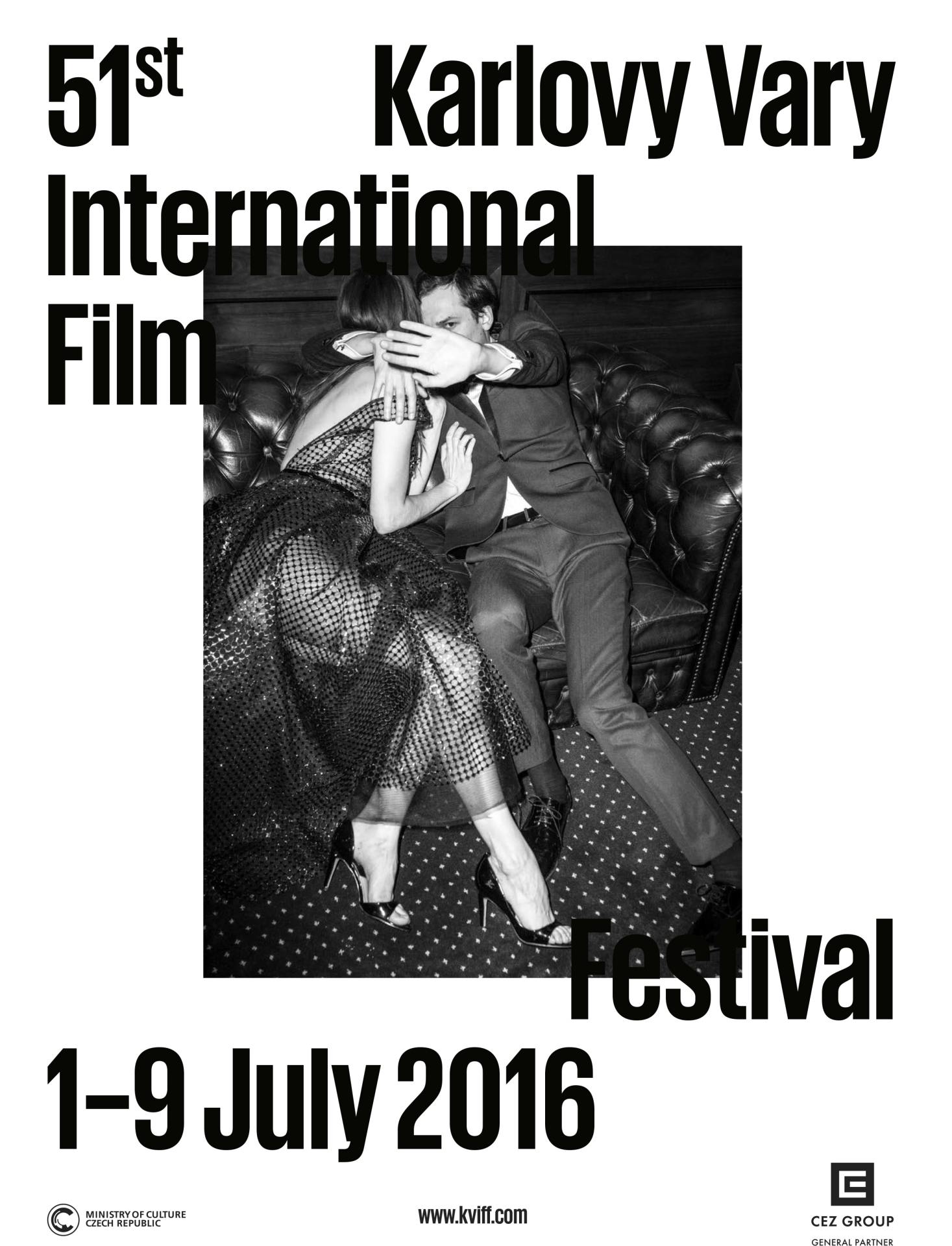
The significance of Václav Jirásek' work is, among other things, proved by the fact that his name keeps reappearing in almost every yearbook of the Czech Grand Design awards. In 2016, he was nominated for the series of B/W photographs which, along with the graphic design (Studio Najbrt), resulted in the utmost distinctive and peculiar campaign of the 51st Karlovy Vary International Film Festival. It was staged snapshots of figures either directly linked with the festival or, for example, known from the artistic scene, shot in a style evoking the works by 1960s' or 1970s' paparazzi photographers. The concept was based on the previous year when Jirásek used photos taken in his provisional photographic studio at the festival, where he portrayed its employees, celebrities and visitors (and was also nominated for the latter cycle in the previous year).
The documentary method of the author, however, has much deeper roots: for instance, it is more than a decade since Jirásek began with his cycle of devils, deaths and Nicolases from the St Nicolas parades in the Walachian region. But his hitherto oeuvre also encompasses portraits, landscape sceneries and photographs of the bygone beauty of various industrial complexes. Jirásek moreover quite naturally moves in the sphere of advertising and product photography – for example, his photos for the catalogue of the furniture manufacturer, TON, in which he surprisingly situated the products in landscapes, earned him a nomination for the Czech Grand Design Photographer of the Year 2014.
Monika Čejková
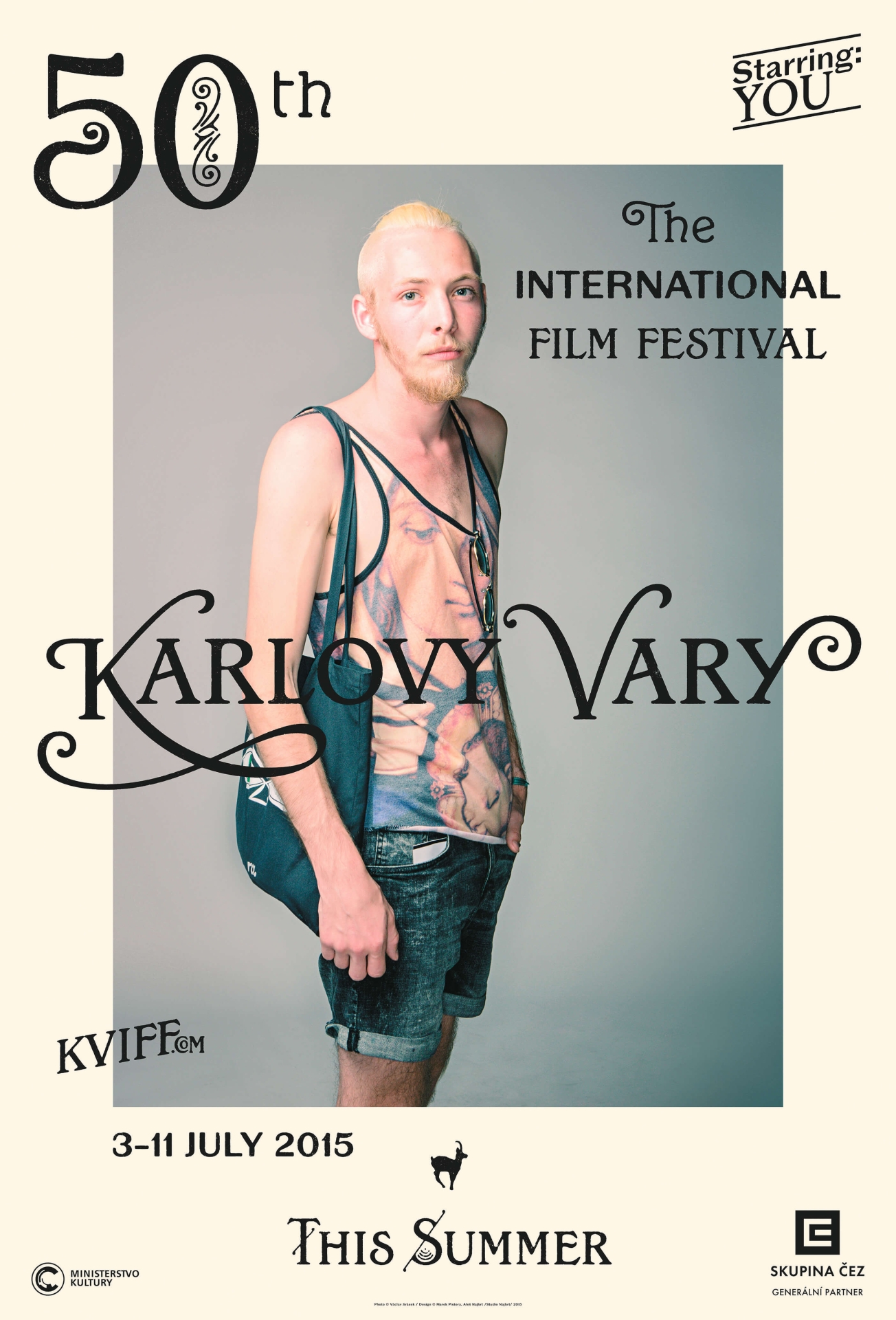
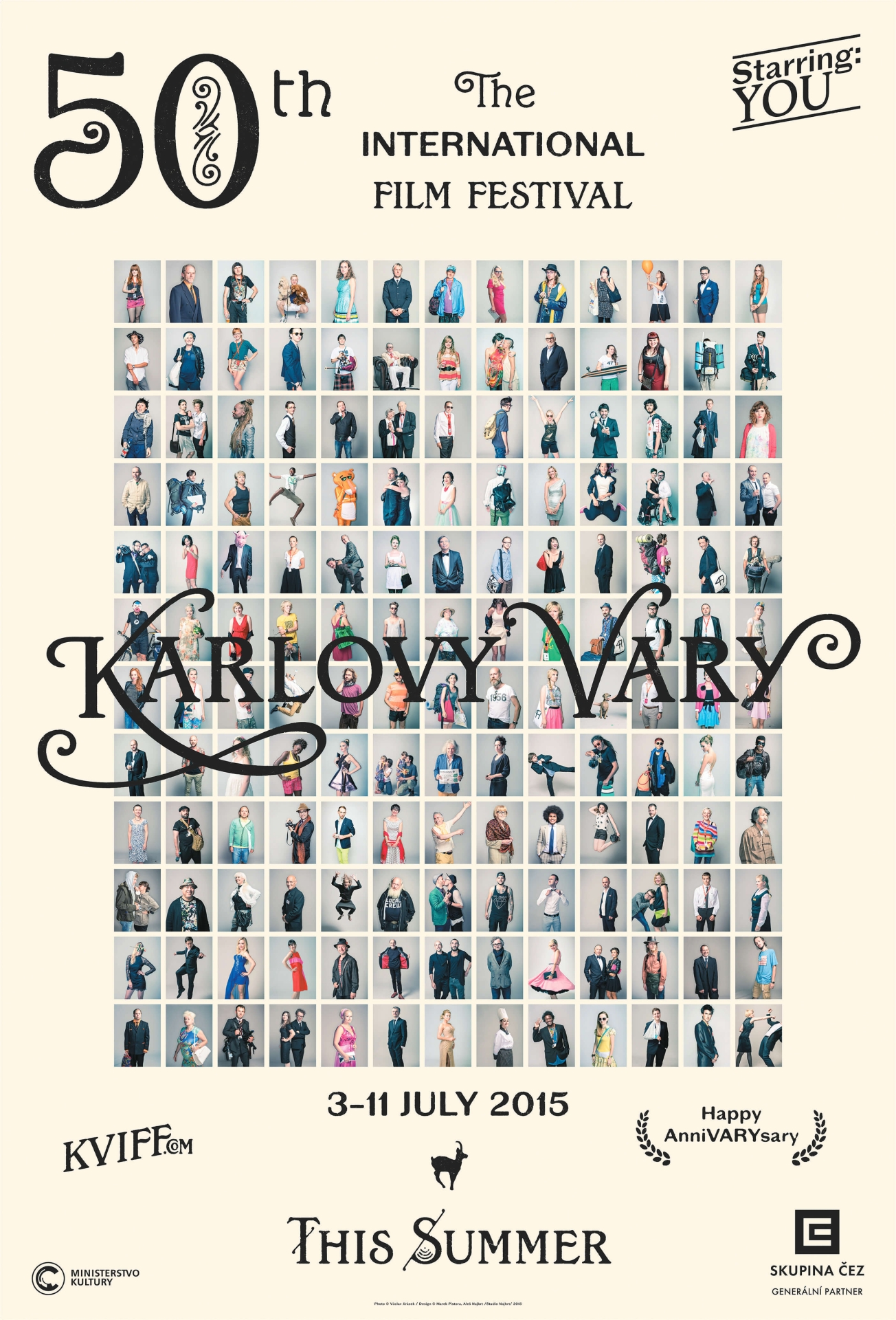
2015 was the year that it finally made sense for the film festival at the spa town of Karlovy Vary to become a nine-day event. The campaign design, logically, featured a spa cup and a metal cane badge. Studio Najbrt, however, downplays this absurd typographic memory of imaginary bygone days with the present-day fans who create the festival's unique democratic atmosphere, the recent winners and their chauffeurs. Over the past four years, Václav Jirásek has taken a thousand such photos at his mobile studio, in queues in front of cinemas and at black-tie parties. As an avid collector of portrait photos of cosplay fans and demonstrators for the legalisation of cannabis, he originally took the festival photos for himself. But he later started to coordinate them with the identity of the jubilee year in mind. One of his key festival posters depicts 431 portraits and more were shown during the 50th festival year on dozens of screens at the Thermal Hotel. The jury admired the scope of meaning, ambiguity, functionality and intensive focus of the project. Jirásek, who studied painting and is a fan of Catholic art, doesn't care about glam or who's sexy or stylish, and turns a blind eye to the fashion and social hierarchy of the film ecosystem both in Karlovy Vary and the Czech Republic. His interests are wide- ranging, whether it be capturing the delicate and intimate body language of a student, a person's profile and giddy excitement in an evocation of a medieval painting, or an embarrassing theatrical gesture made in front of the camera. Jirásek is interested in celebrities only in so far as they are equals of those hidden in the dark of the cinema auditorium – in so far as they provide further evidence of our weird existence. With the festival's events masked in a grey background (the type of event can only be guessed at based on the clothes individual people are wearing), Jirásek portrays the festival as a cast list for an outstanding sitcom. And as we soon see, for him both the festival and life itself are in fact one big sitcom.
Michal Nanoru
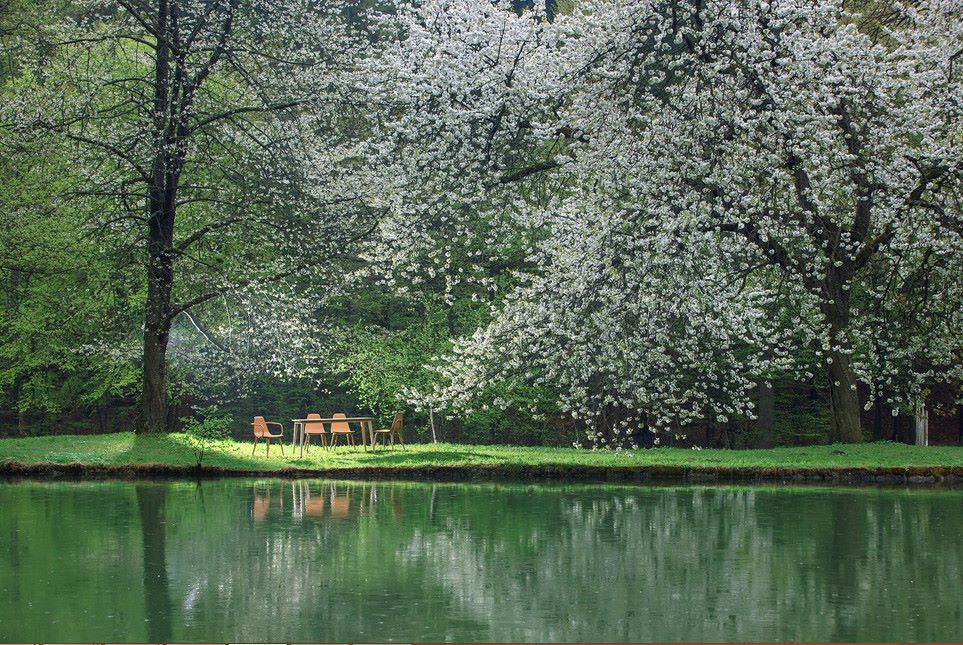
Václav Jirásek has become one of the most remarkable figures in Czech photography since the late 1980s. His distinctive visual style combines, in a very postmodern way, elements of symbolism, decadence, romanticism and classical painting, which he has studied. For the Ton 2014 catalogue, Jirásek uses photos of landscapes and forests onto which he places individual products from this traditional, yet innovative brand. This romantic concept provides Ton's industrial catalogue with both an unexpected freshness and a (self) ironic twist.
Pavel Vančát
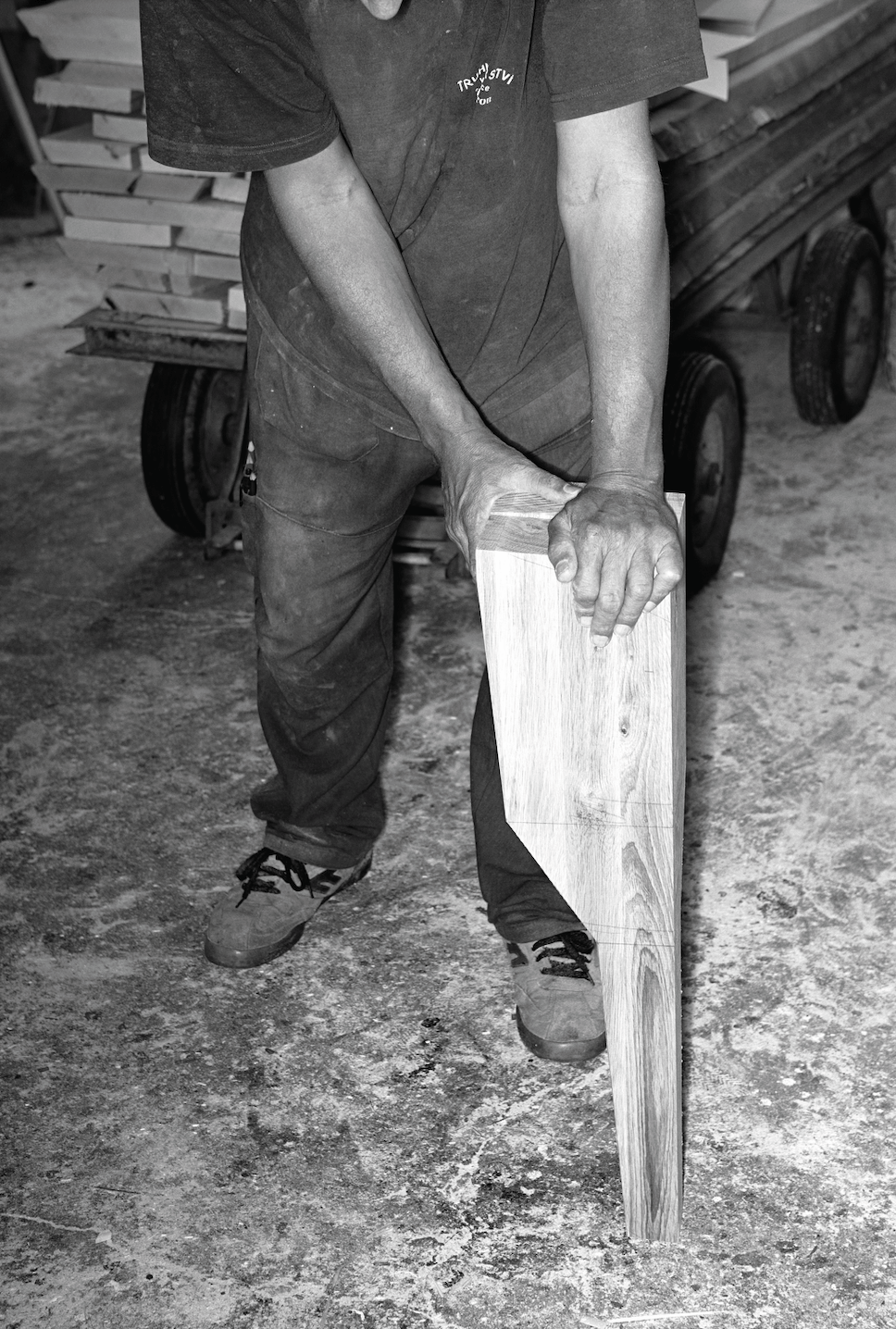
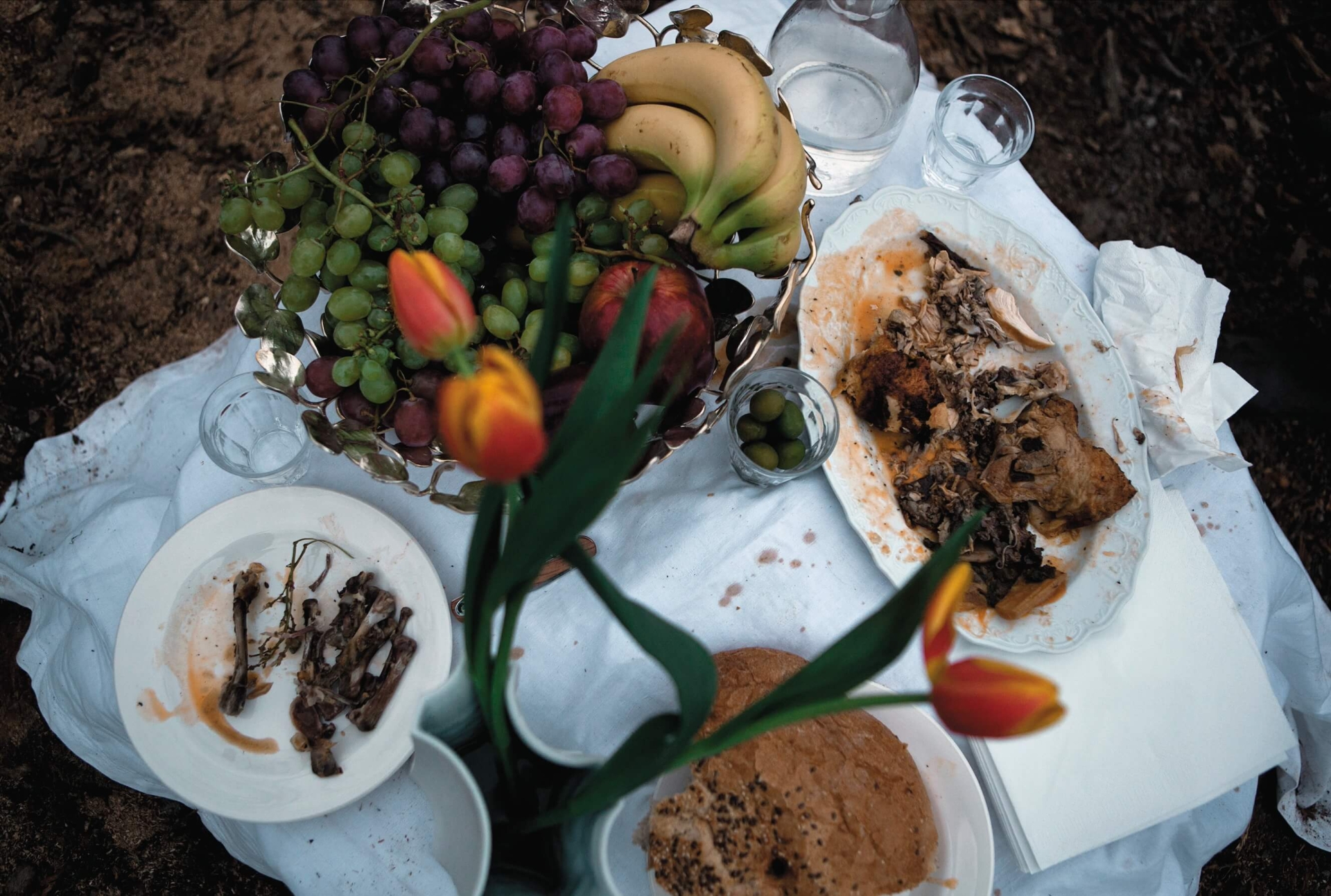
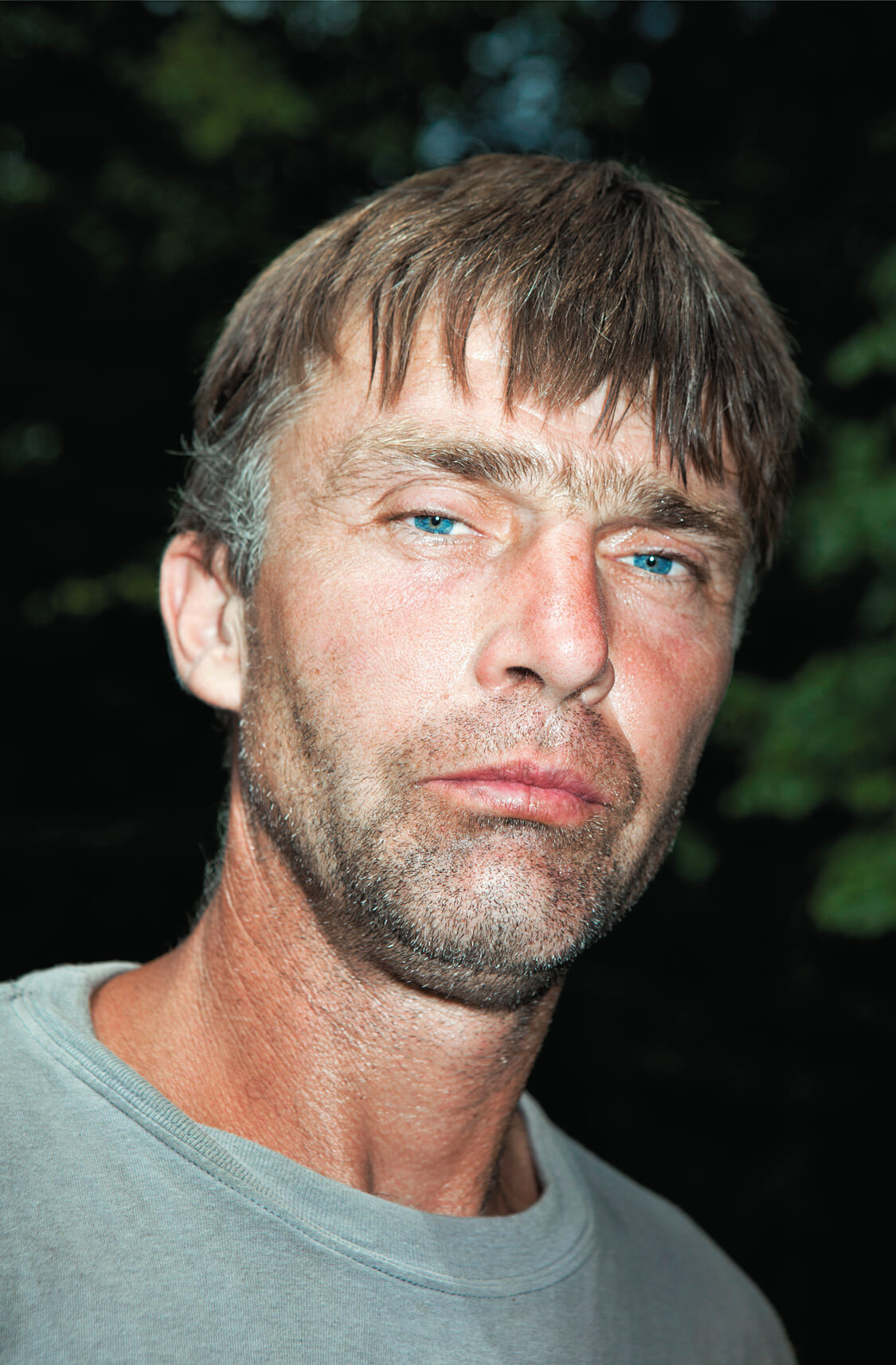
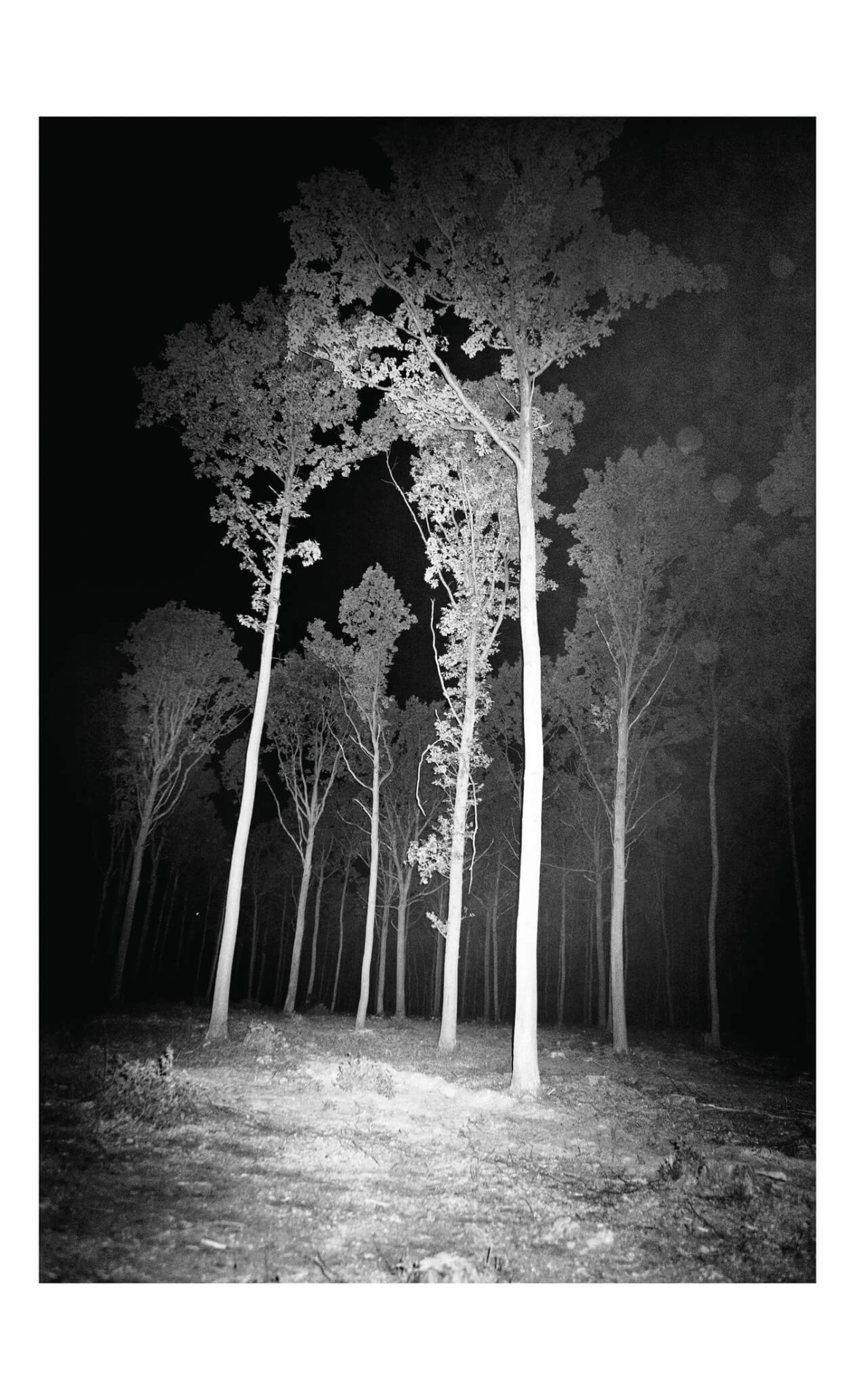
A tree as a table. Designed by Olgoj Chorchoj for the Křehký Gallery, it is made of a single oak trunk. Even though it stood in a very inconspicuous place, it was impossible to overlook. Václav Jirásek depicted it in a series of exceptional photos, which resulted in a homonymous exhibition. The photos show how its leaves turned golden, how the snow fell on its bare branches. Jirásek also witnessed how the oak fell to the ground and all the subsequent steps in the sawmill, in the drier, and in the joiner's workshop. The tree serves as the leitmotif for the nominations. The tree. A table and a book. They can be found among the nominations for the Designer of the Year Award, Graphic Designer of the Year Award, and Photographer of the Year Award: Olgoj Chorchoj, Martina Černá, Václav Jirásek, and Křehký in an attempt at depicting time.
