2025
Photographer of the Year
Hana Knížová
Photographer of the Year
Hana Knížová
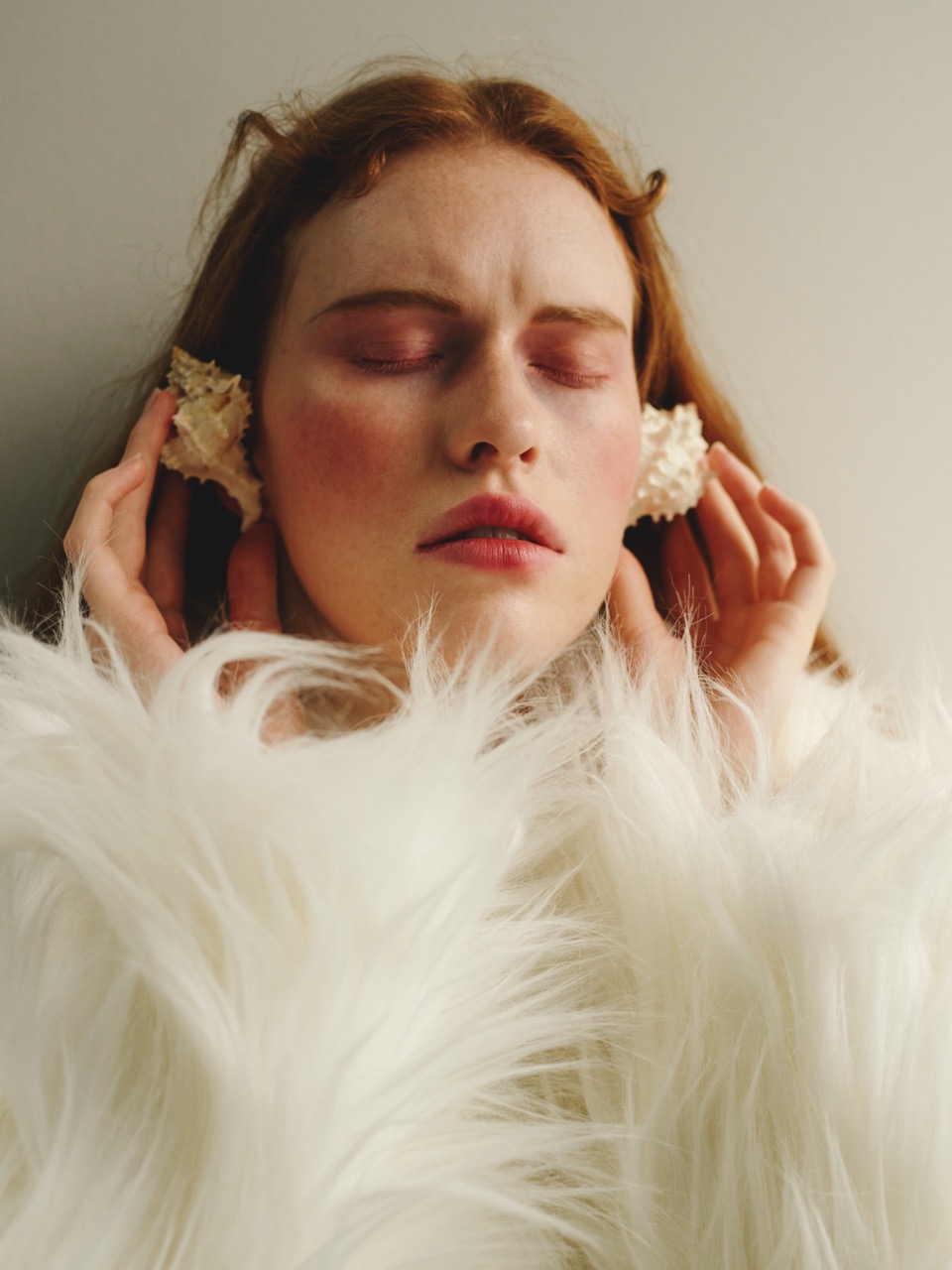
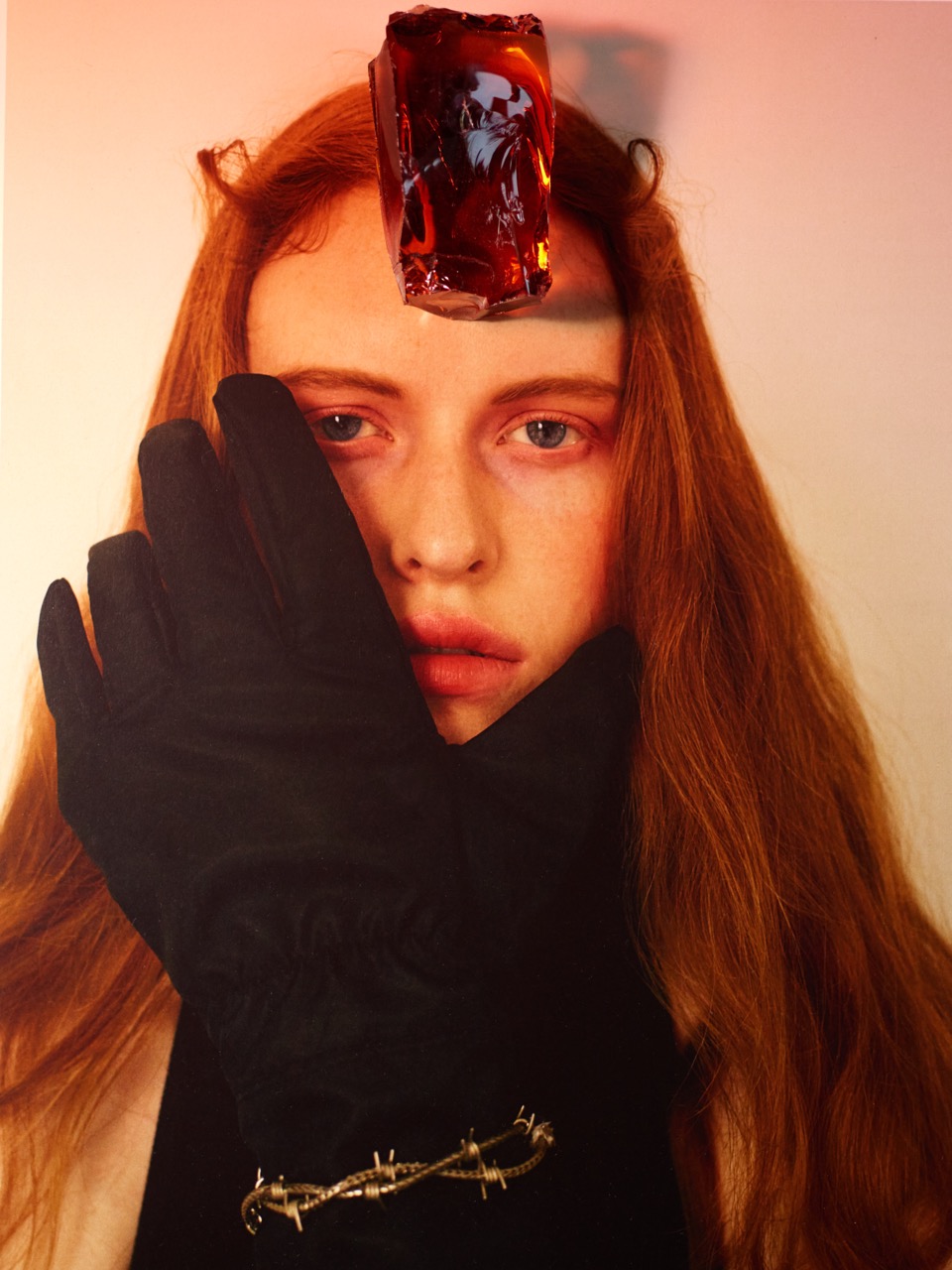
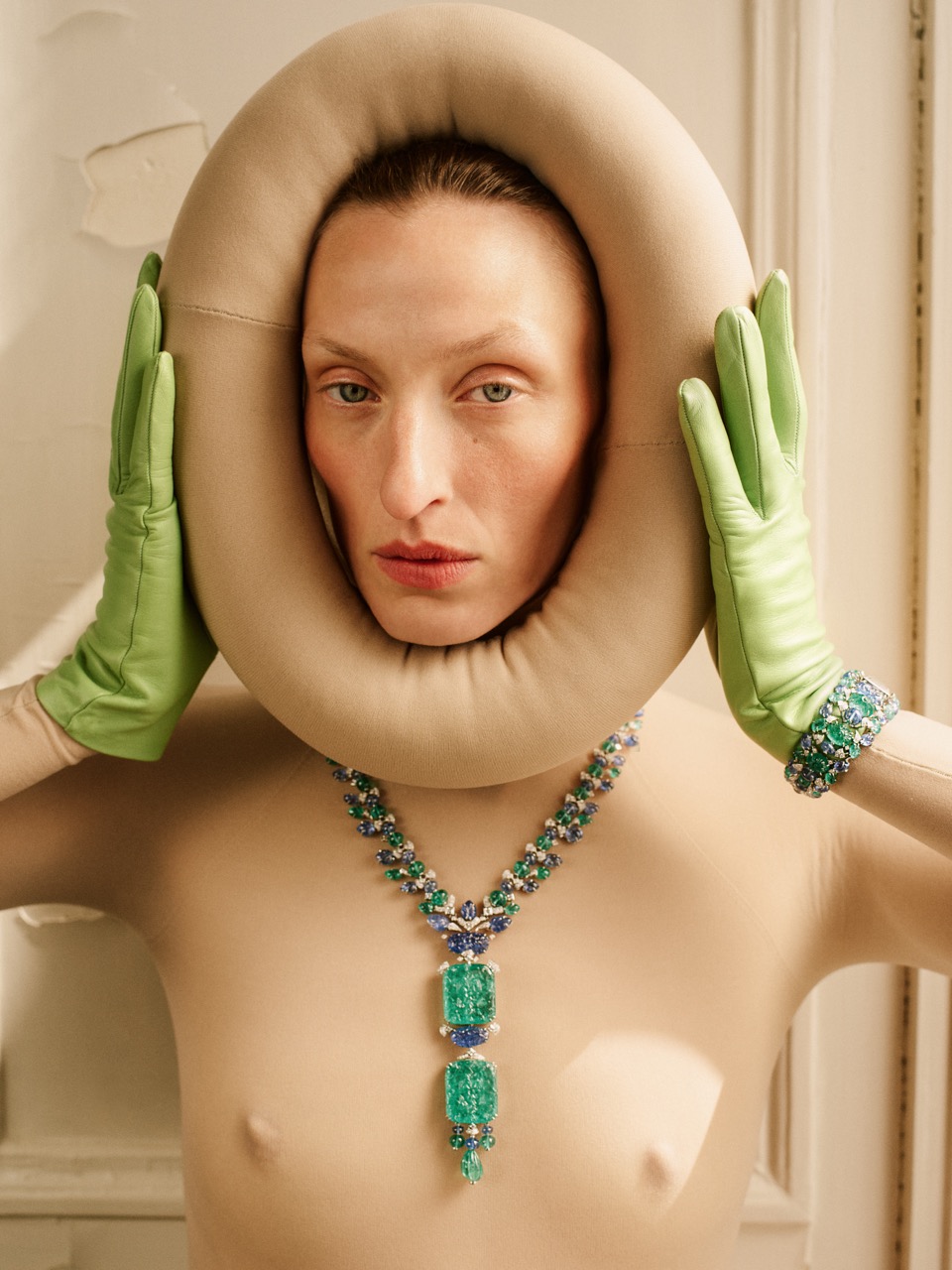
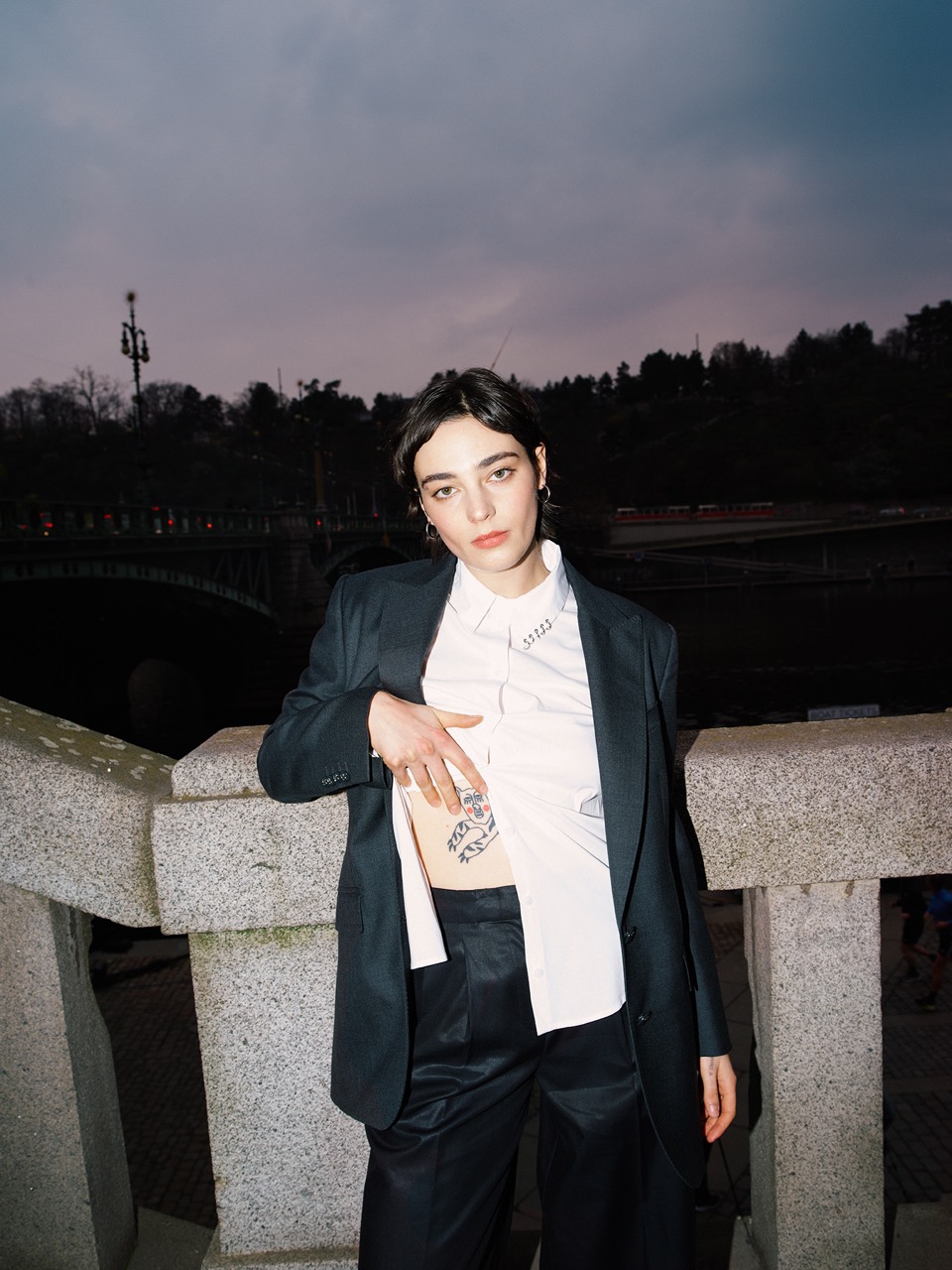
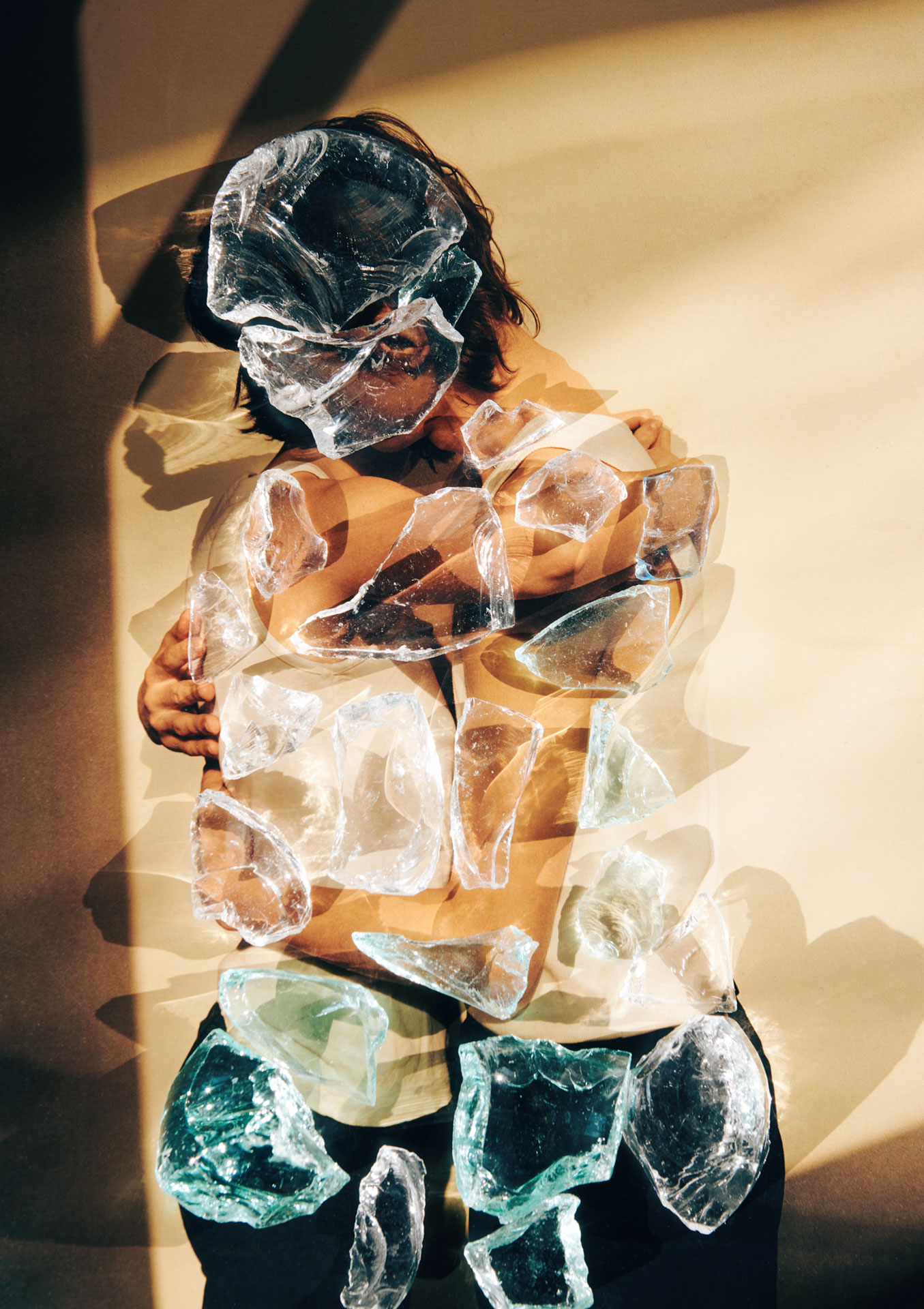
Migraine photographs for Faith Love Hope magazine, cover story and portraits of Eva Jiřičná and Amelie Siba for Vogue CS
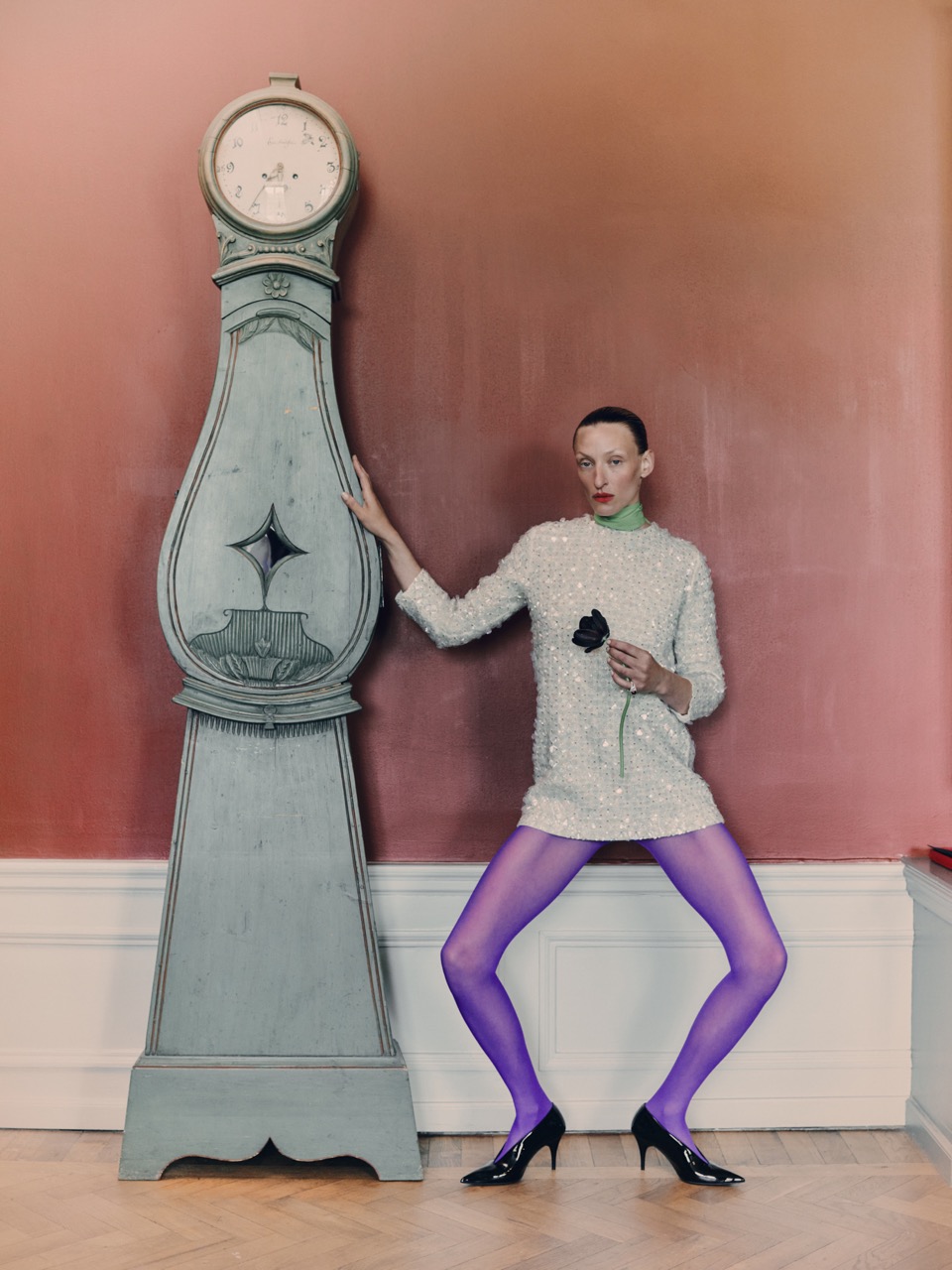
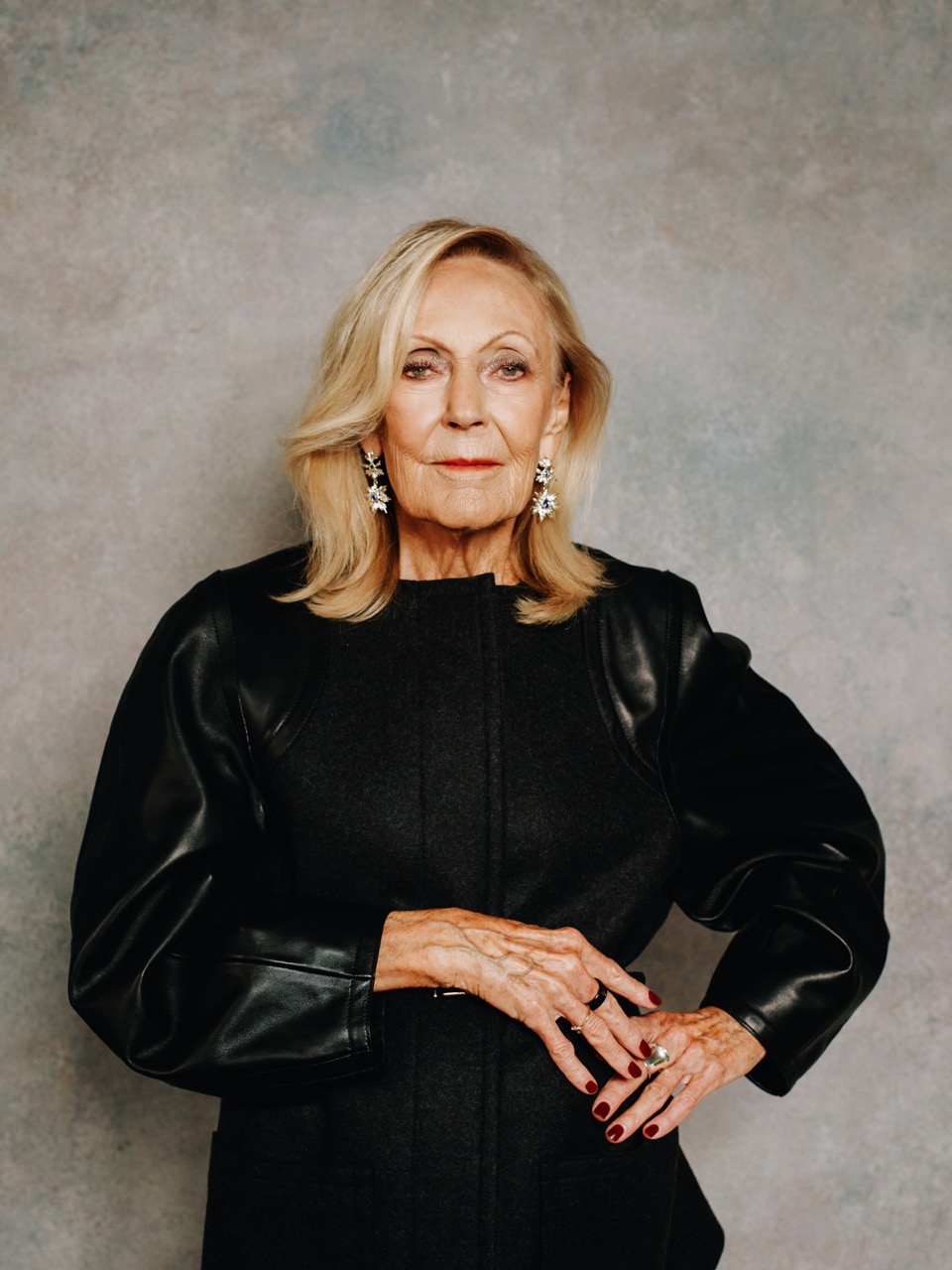
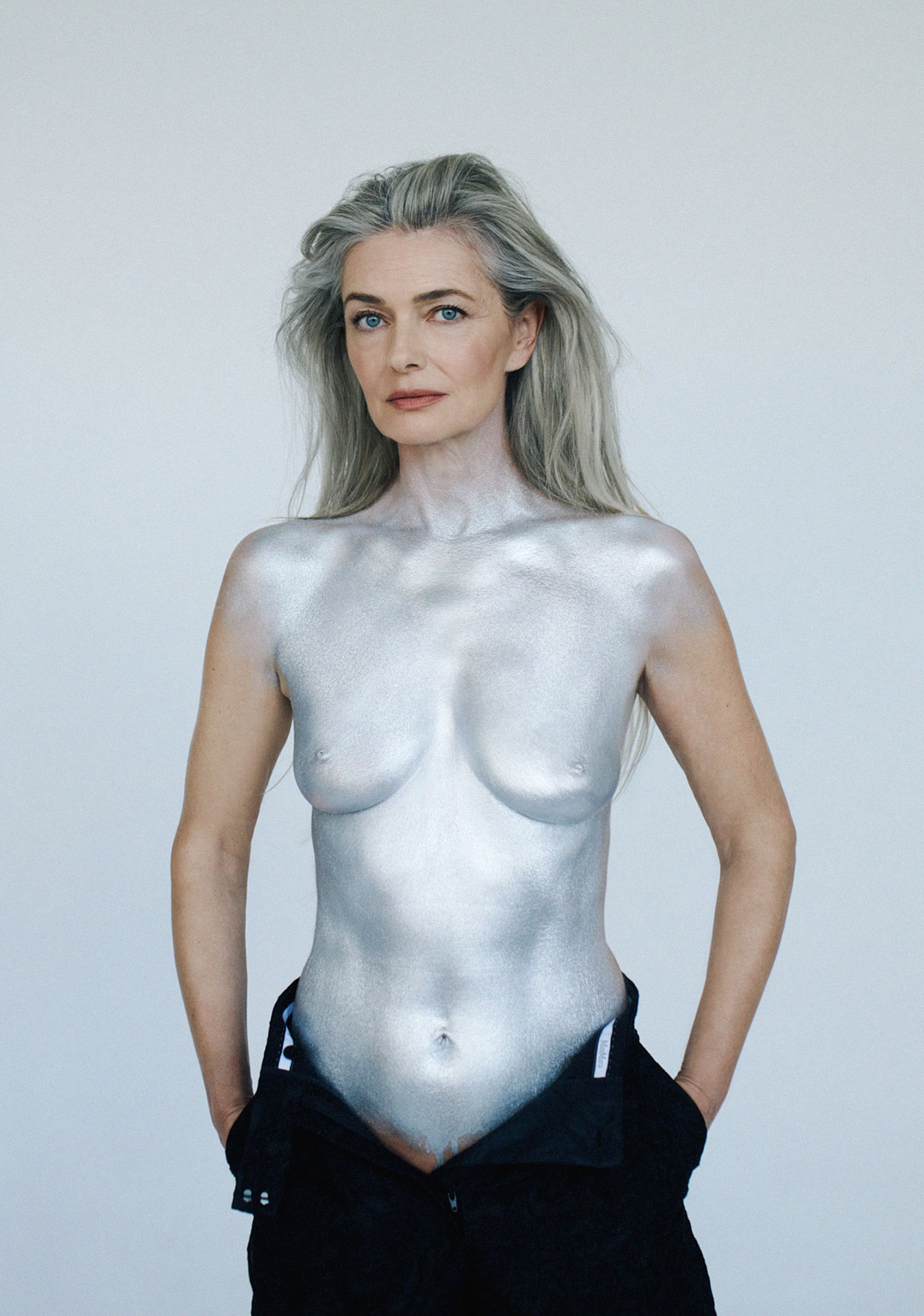
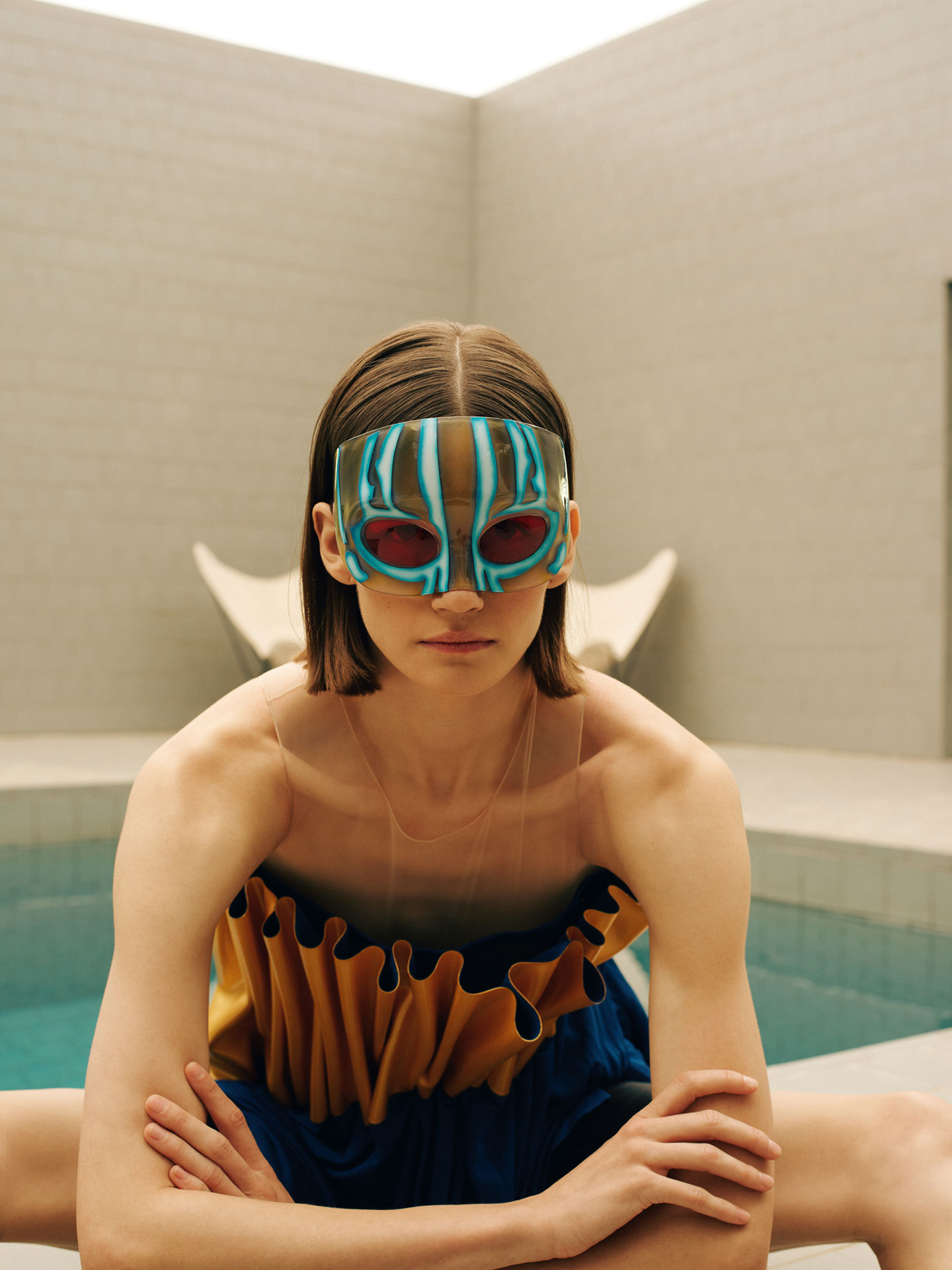
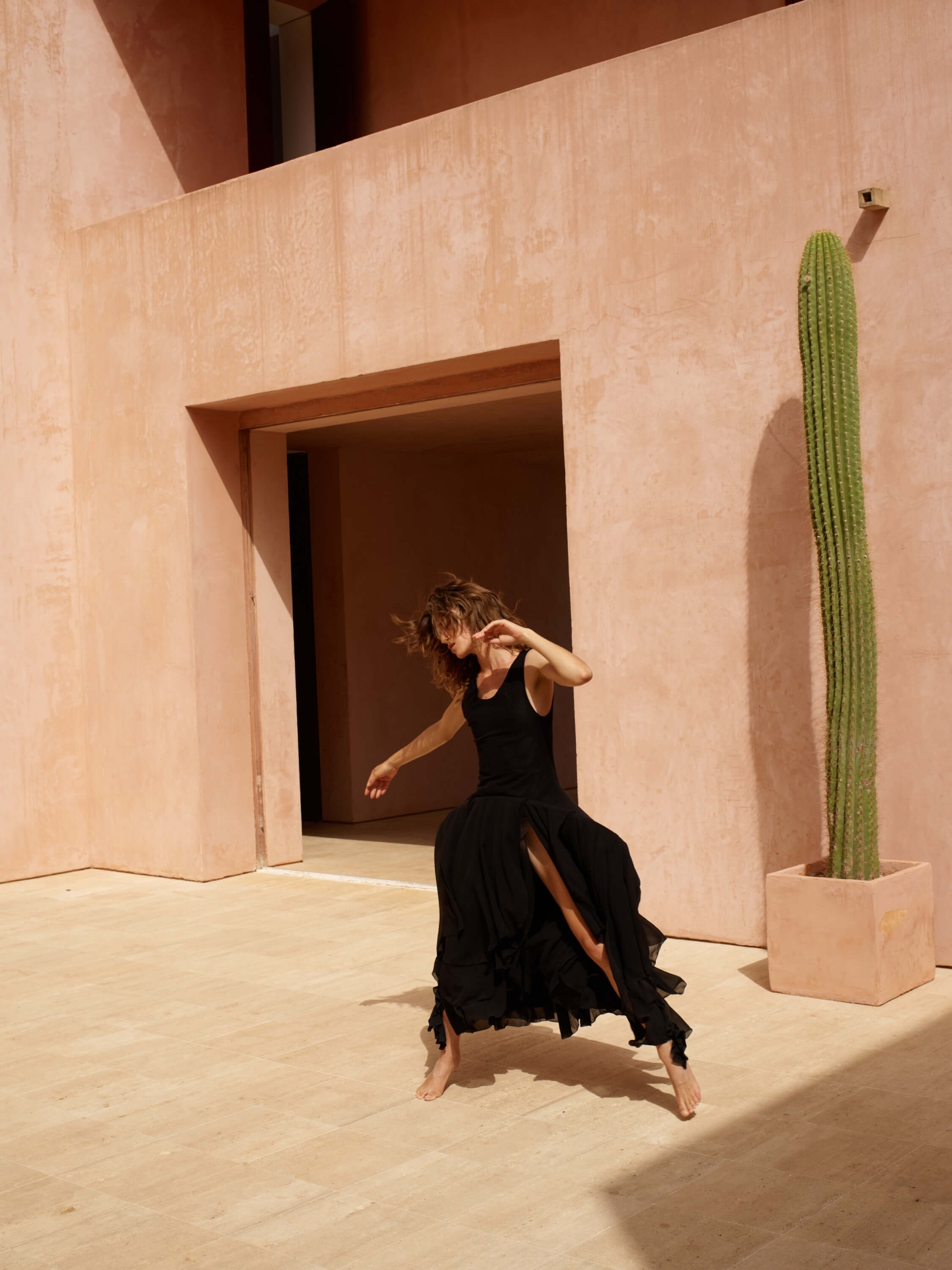

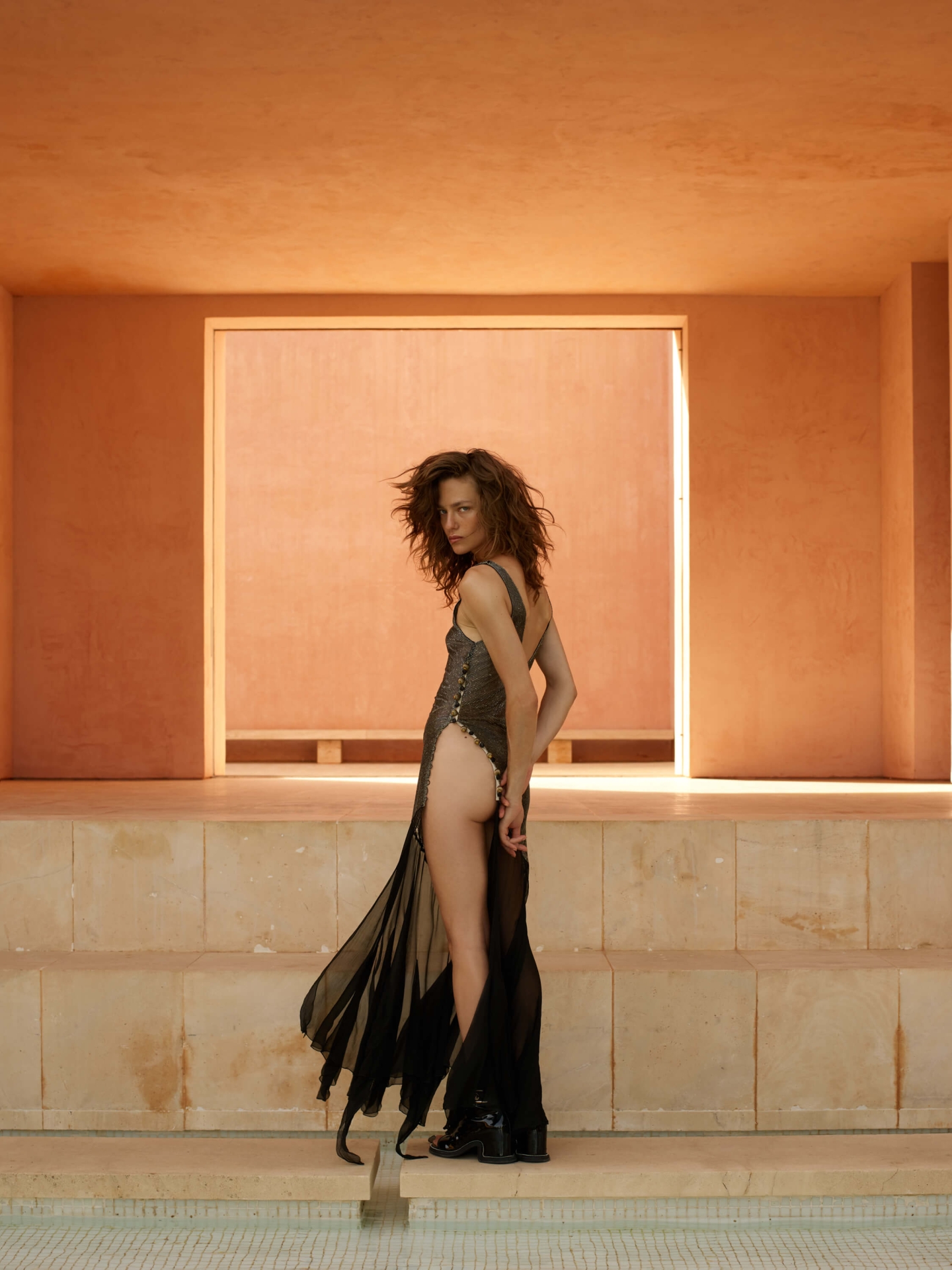


"All of a sudden, motherhood became the reality lived by most women from my circle." This was Hana Knížová's situation four years ago, when she began working on the cycle Mothers and later turned it into a natural part of her editorial for the Stella McCartney Kids brand. The "momma trend" was far from being trendy then and Knížová realized that the history of photography, let alone the fashion magazines, had not hitherto offered too many examples of how to accommodate to pregnancy and motherhood effortlessly and easily, as to an utterly natural and commonplace thing. For this is exactly how she features it in the editorial: she shoots her characters at home, with all the breastfeeding, exercising, dancing... With the first moments experienced by two people trying to familiarize with each other; two people who are connected by one of the strongest bonds ever, but can at the same time be personalities who would never seek the other one voluntarily. Knížová became attracted to the special situations of individuals who had found themselves in often neither chosen nor planned relationships a long time ago. These can include families as well as the phenomenon of twins - after all, a portrait of a twin couple earned her the Taylor Wessing Photographic Portrait Prize, awarded by the British National Portrait Gallery, in 2013. However, she is also fascinated by the facilities where human coexistence is characteristic of proximity and presence at a single place, but not necessarily of solidarity and cohesion. In her first notable author's cycle, Hamr na Jezeře (Hammer am See), she captured the faces of teenagers growing up in foster care, portrayed residents of a dormitory for the socially disadvantaged in Oakland, California, and shot pupils attending the Líbeznice elementary school for the Projektil33 exhibition. All the above-mentioned environments and constellations tend to strip people off their singularity and uniqueness, to label them as inmates, wards, pupils or identical siblings. Knížová kicks against this; she resists generalization and treats everyone as an individual, and her acute eye never fails to separate the unique beauty out of those in front of her camera. Portrait is her domain and her strongest point. It is especially because she always travels beyond the mask of a social role: people in her photographs cease to be models, mothers, siblings, losers or pupils, becoming if not necessarily themselves, then definitely their better, more beautiful selves.
Pavel Turek


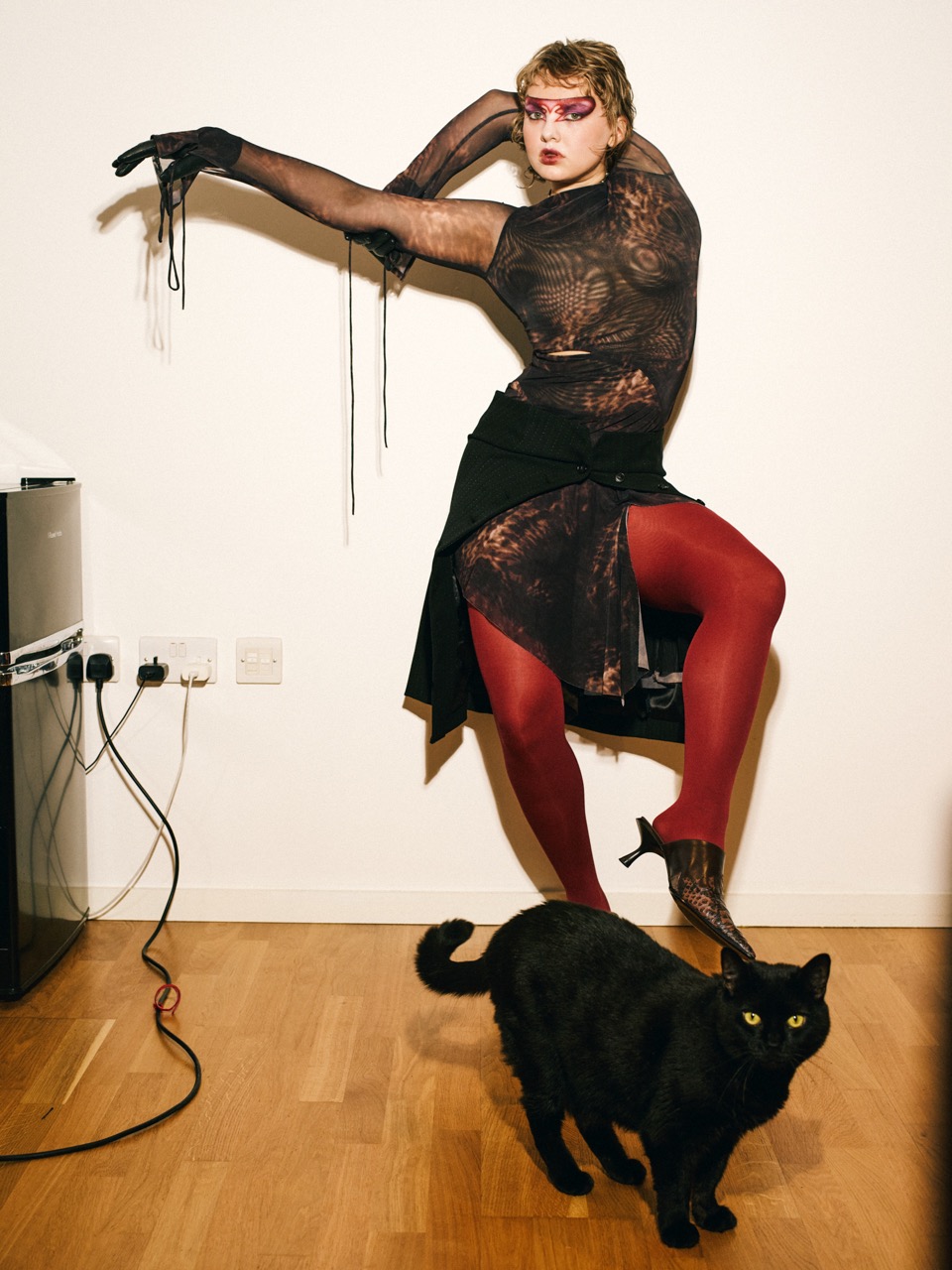
Works by Hana Knížová represent the most contemporary examples of international fashion and magazine photography in the Czech Grand Design nominations. But instead of merely selling clothes, accessories and lifestyle dreams, they first and foremost revolve around humans matter that some may view the new face of the Céline brand or a north- Bohemian underage delinquent as foreign. Because Knížová is first and foremost a portraitist, which can no moreover be proved by her this year's title shot for the competition/exhibition Portrait of Britain, organized by the British Journal of Photography, and her earlier portrait for the British National Portrait Gallery (which resulted in her receiving the 2013 John Kobal New Work Award). For whatever reason, Knížová is mainly a perceptive author of women's and children's portraits, and her engaged projects focusing on twins, mothers, and clients of foster homes or asylums for families in need in her work unusually smoothly alternate with playful compositions for magazine supplements aimed at higher consumerist strata. A former student of social sciences, maybe not surprisingly, strips the first of tiresome dinginess, the latter of their ivory towers, and the two of deathly self-importance. Both the subtlety of the subjects and the melancholy found in the intimate portraits and, simultaneously, the sense of bright colors and soberness bare, but always "keeping up appearances" – are perfectly in line with the fact that anytime Knížová shoots fashion, it is not about affectedly stiff photographs of collection pieces but, most preferably, about an animate and informal world which, similar to her documentary-related style, came to life on the far end of the spectrum via comparing the street level and the catwalk pedestal, among all the bloggers, cognoscenti, fashionistas, influencers, fashion insiders, fashion hipsters, the overall fashion crowd and Champion/Vetements. Knížová herself is a successful model (she, for instance, showed up in Jürgen Teller's shots), and her best series feature her acquaintances and friends in business along the axis Prague-(Paris)-London- NYC-LA. The leading cooperation today, apart from that with Kateřina Dymáková and Tereza Srbová, is the ditzy, androgynously street-smart cooperation with the above- mentioned new Céline face, Daniela Kociánová (this time in the form of an editorial for Bluepaper 10, which naturally made the cover turned upside down). And although Knížová somehow smoothed her expression here, she still develops on the girlish intimacy and unpretentiousness of the fashion photography tradition represented in 1990s' Britain by Corinne Day and Elaine Constantine (and Teller minus his machismo, plus the new wave of female photography pursuing the vulnerability of today's prime, recently revived by Petra Collins in the USA). The apparent personal fervor, the purity, the wide array of unpretentious locations and the natural light or, on the contrary, the admittedly pointed flashlights, the alternations between stillness and restlessness, and the only slightly inconspicuous and non-serious styling very far from the sculptured Photoshopping, in most cases lure viewers to places which nicely exceed the clichés of their own genres.
Michal Nanoru


