3
Graphic Designer of the Year
Tomáš Celizna, Adam Macháček a Radim Peško
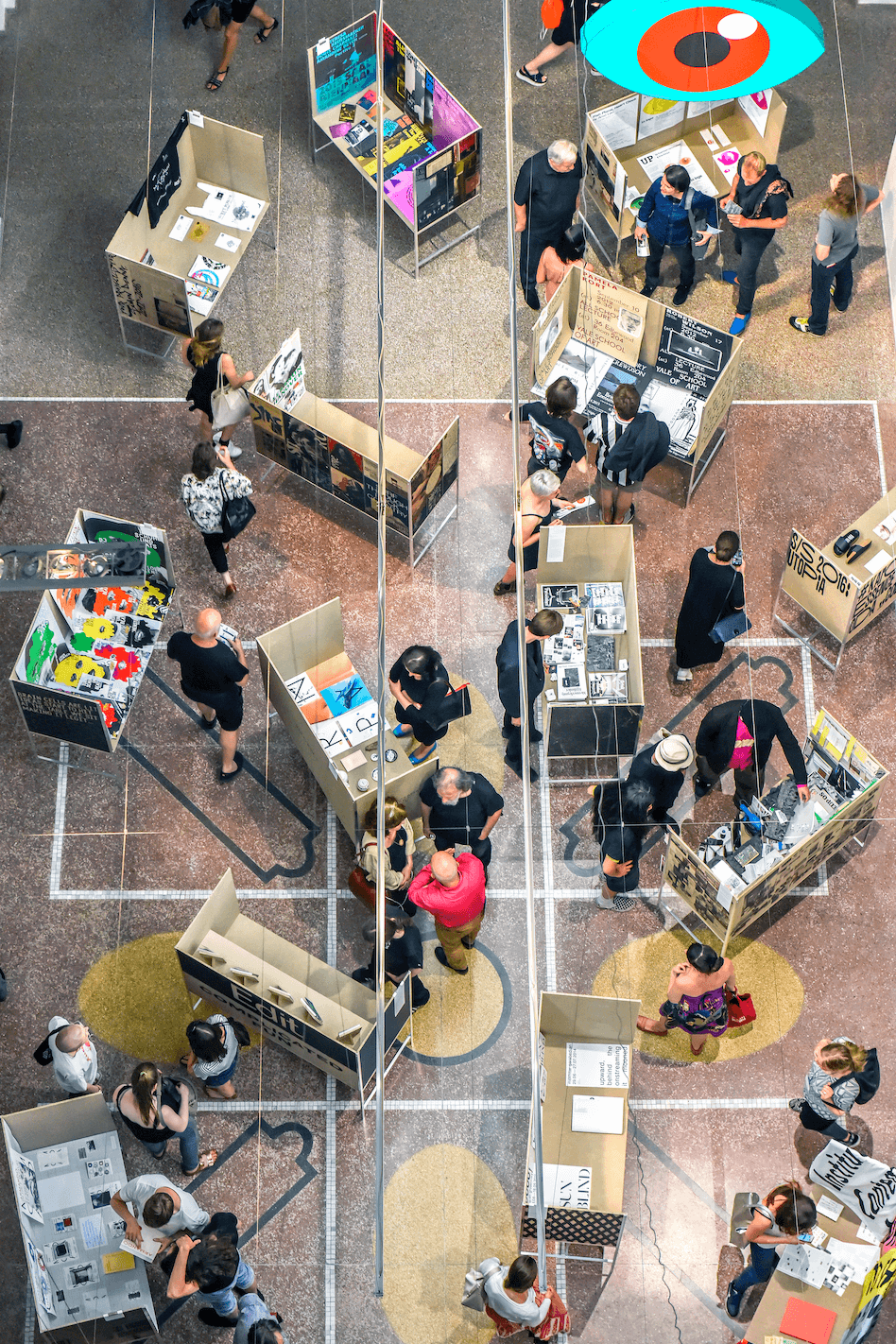

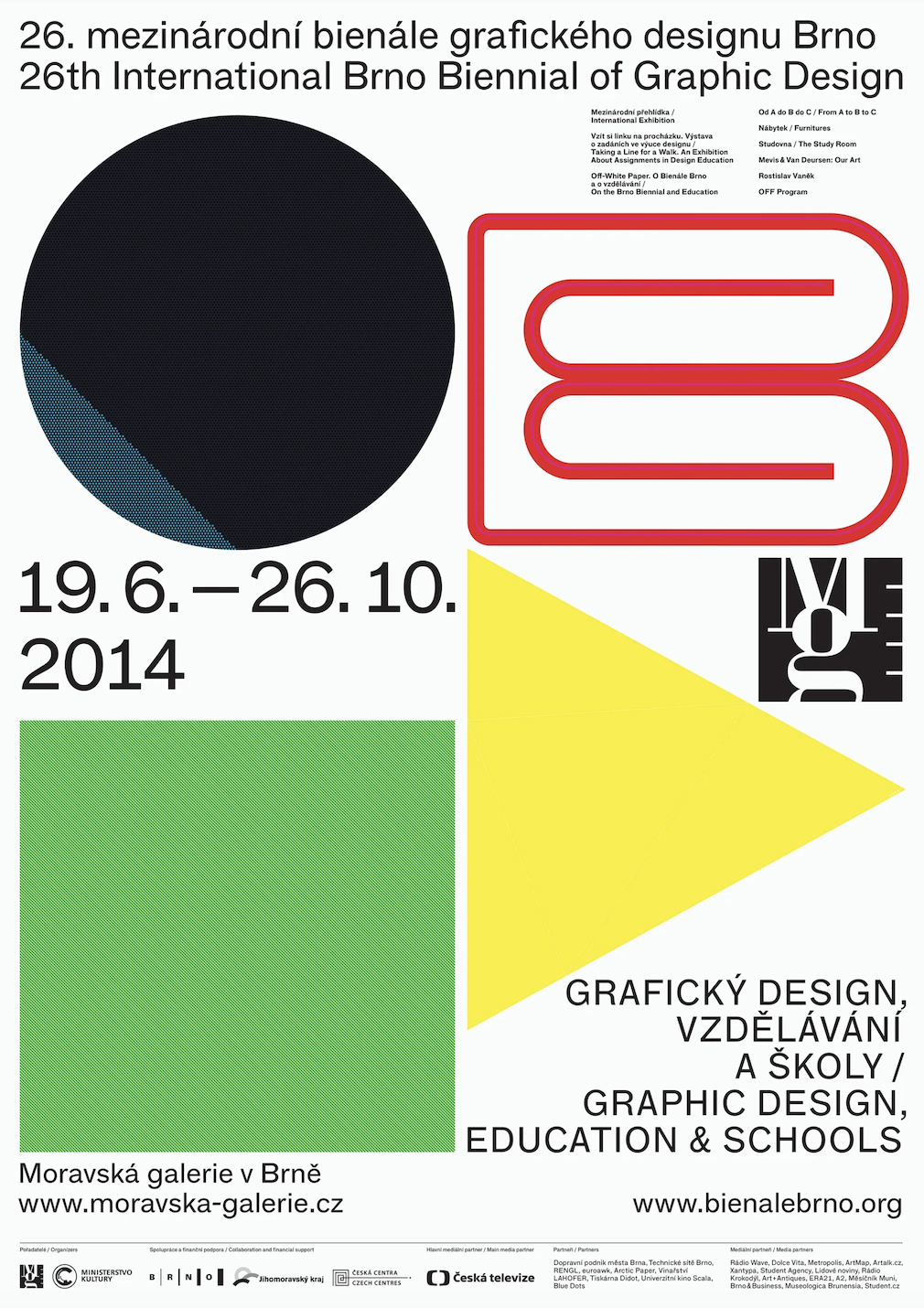
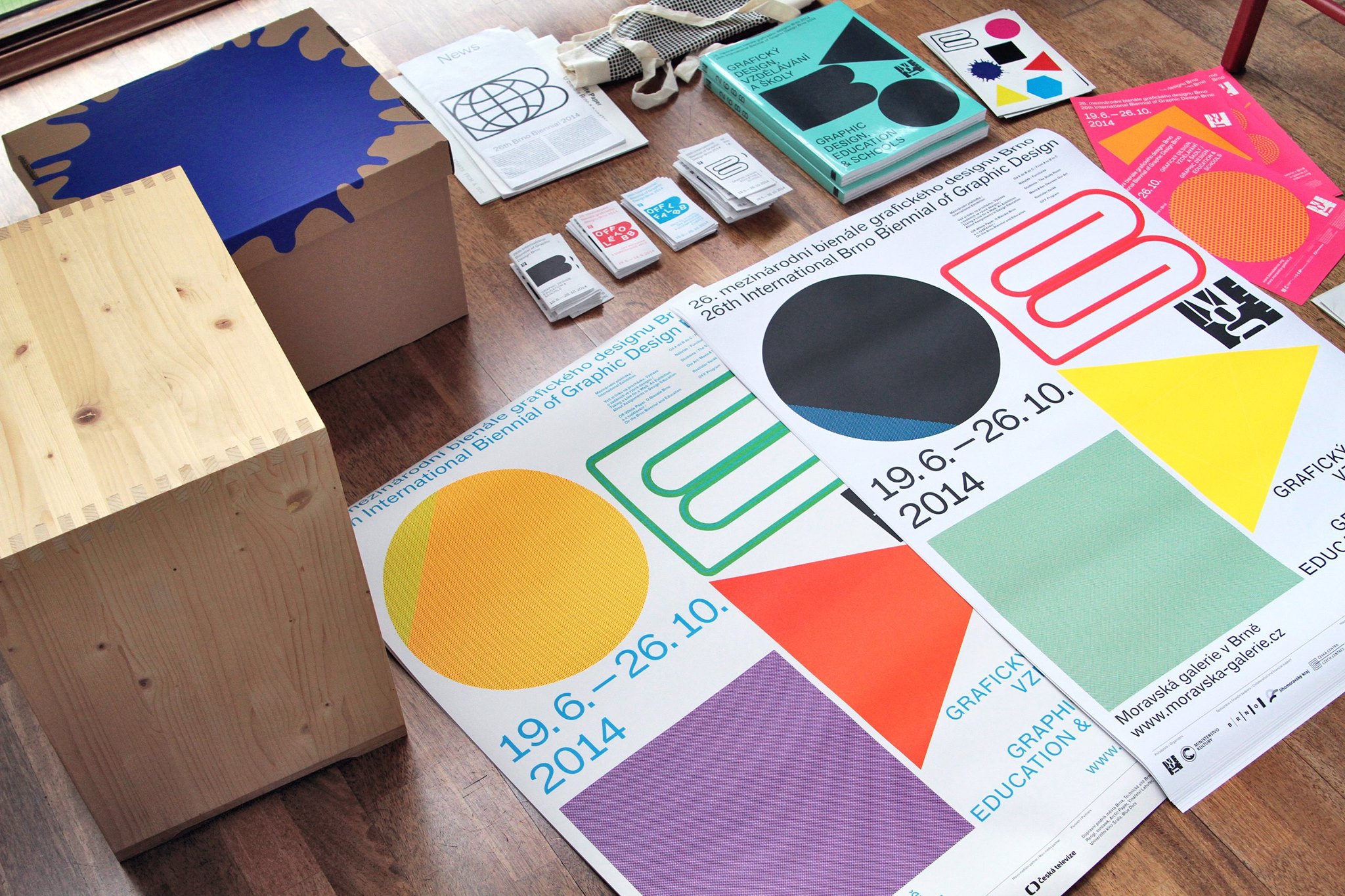
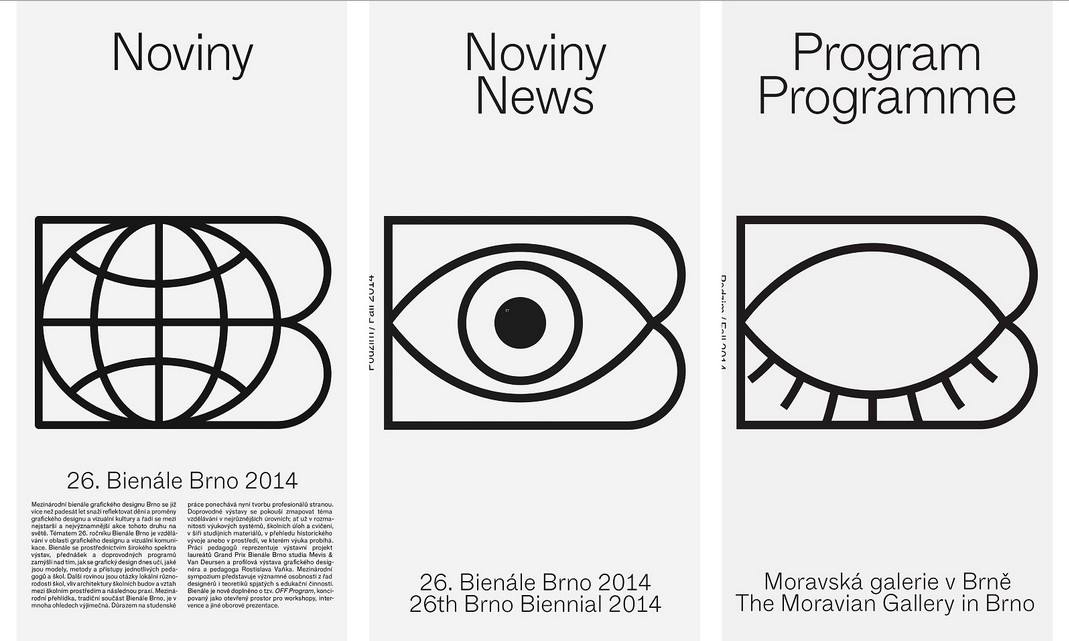
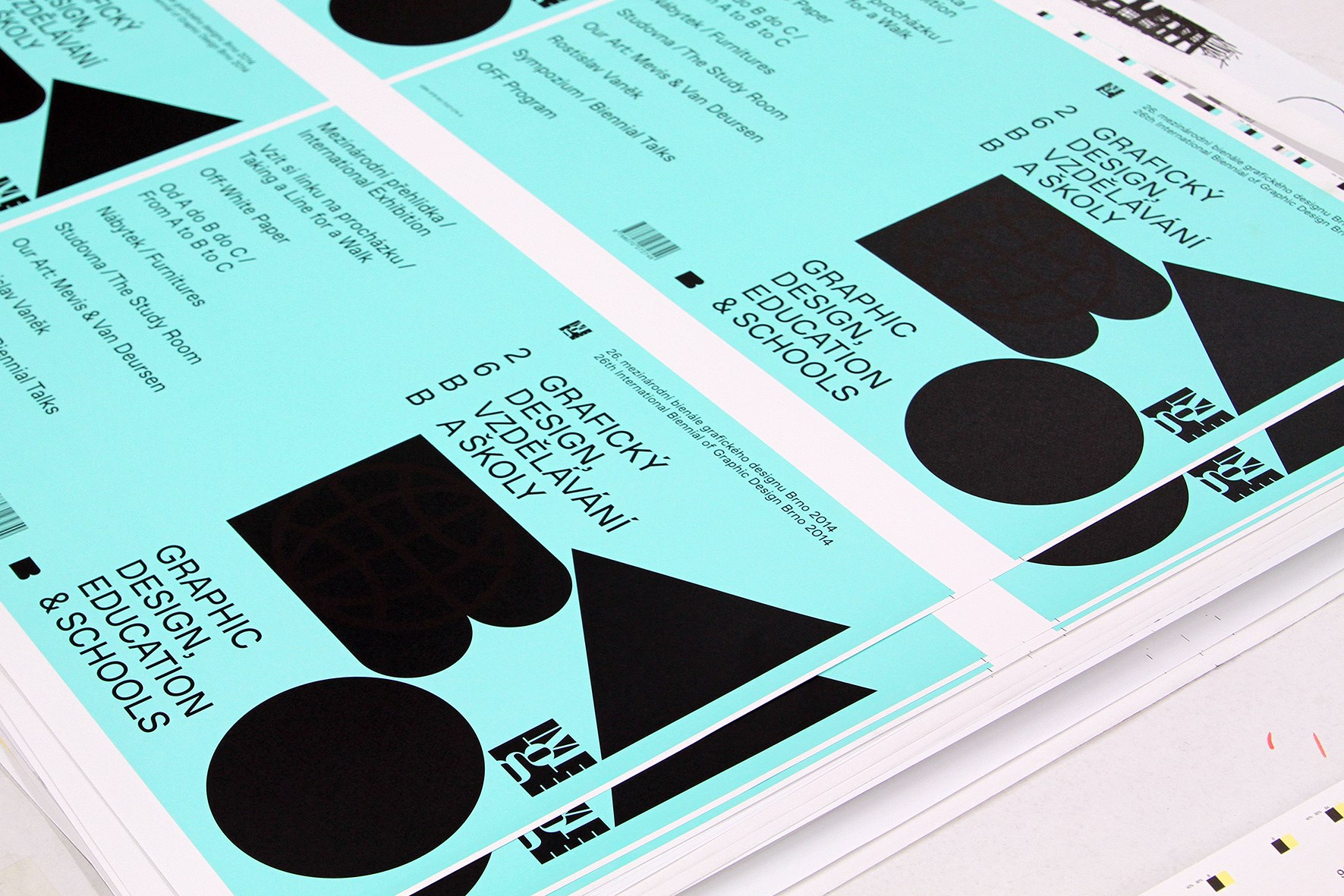
The 27th Biennale of Graphic Design in Brno seems to be the climax of the hitherto conceptual, curatorial. organization and design activities of the trio Tomás Celina-Adam Macháčok-Radim Petko. In the three preceding years, these curators-designers opened the exhibition to the most pro in printed communication, where vt progressive ways of thinking graphic design and and contemporary fine cura art contribute to each other in mutual synergy, the latter especially in its conceptual position. The visual form of the Biennale has organically grown out of its concept - exactly because its designers are simultaneously its curators. They have materialized their ideas in all aspects of the event: its visual identity, the catalogue, printed materials, the website, and the installation itself. The dominating visual feature here became modular script, based on the elementary constituent the line. Its subtle rawness refers to the basic principle of design: thinking. It works great in various proportions, is immensely elegant and has provided the Biennale with its signal quality, which gave specific evidence of the intentions of the curators. The script is thus also reflected in the website, with its absolutely topical and user- friendly structure, while at the same time being very rich in information. The concept of the catalogue concentrates the exhibition as a whole into a single conceptually solved block, and experiments with conceptual capturing visual entities. The most surprising thing, however, was the exhibition design, when the curators demonstrated their refined sense of contextual presenting of graphic design in a particular architectural environment. The international event received a simple grid of a "working table", designed by the exhibitors alone. An excellent installation was the retrospective of Zdeněk Ziegler, whose film posters were confronted with their foreign versions. Other accompanying exhibitions ("Reading Room", "Which Mirror Do You Wanna Lick?") brought along a wide range of original and innovative stimuli in the presentation of graphic design.
Tomáš Celizna, Adam Macháček and Radim Peško, who live and work abroad, deserve credit for confronting the local milieu at the past three Biennales with the fundamental and vital tendencies in global printed communication present in the sphere of culture. The visual presentation was not only executed with an excellent measure of professionalism, but also a considerable dose of preoccupation, engagement, bravura, and playfulness.
Iva Knobloch