1
Photographer of the Year
Vendula Knopová
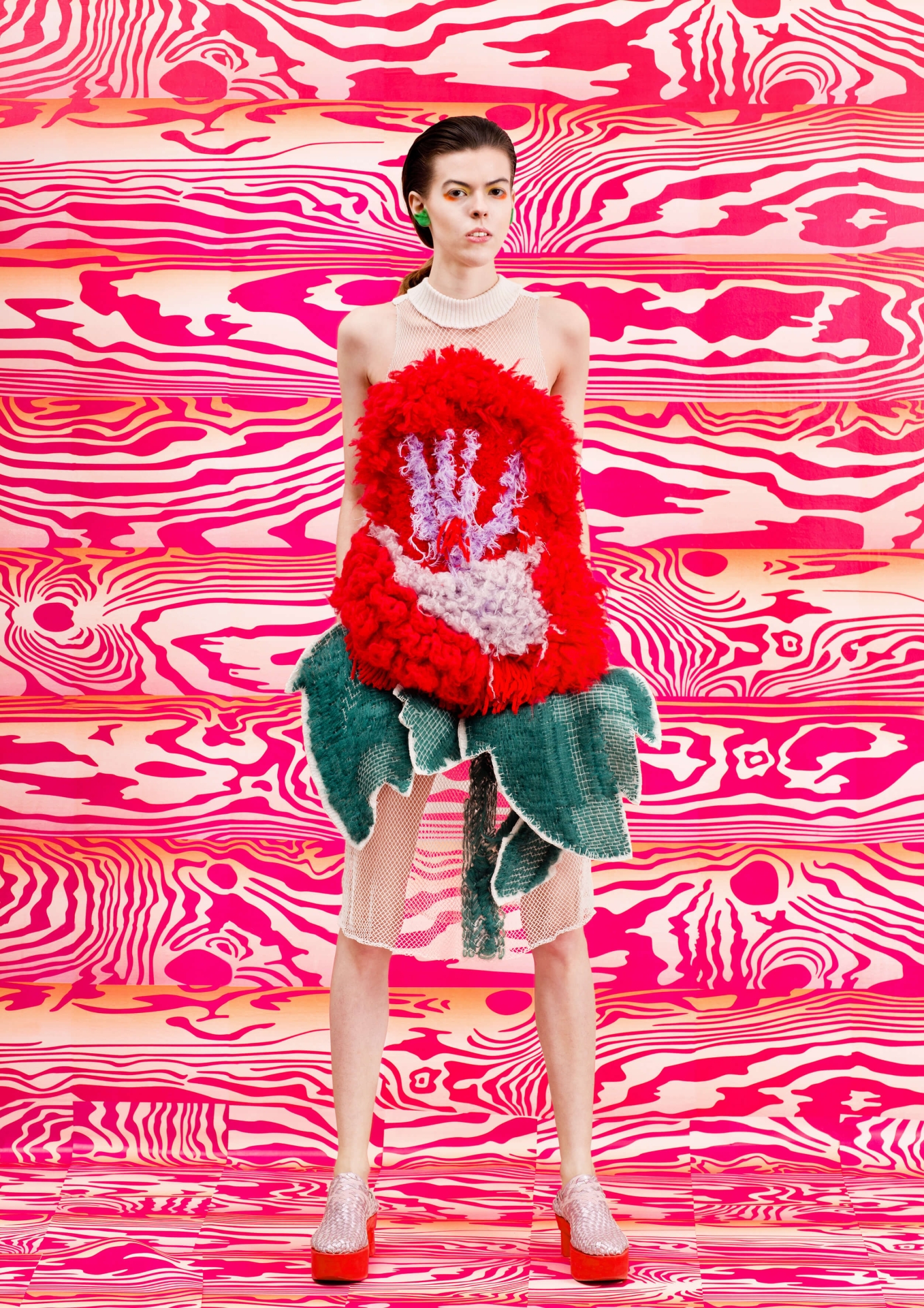
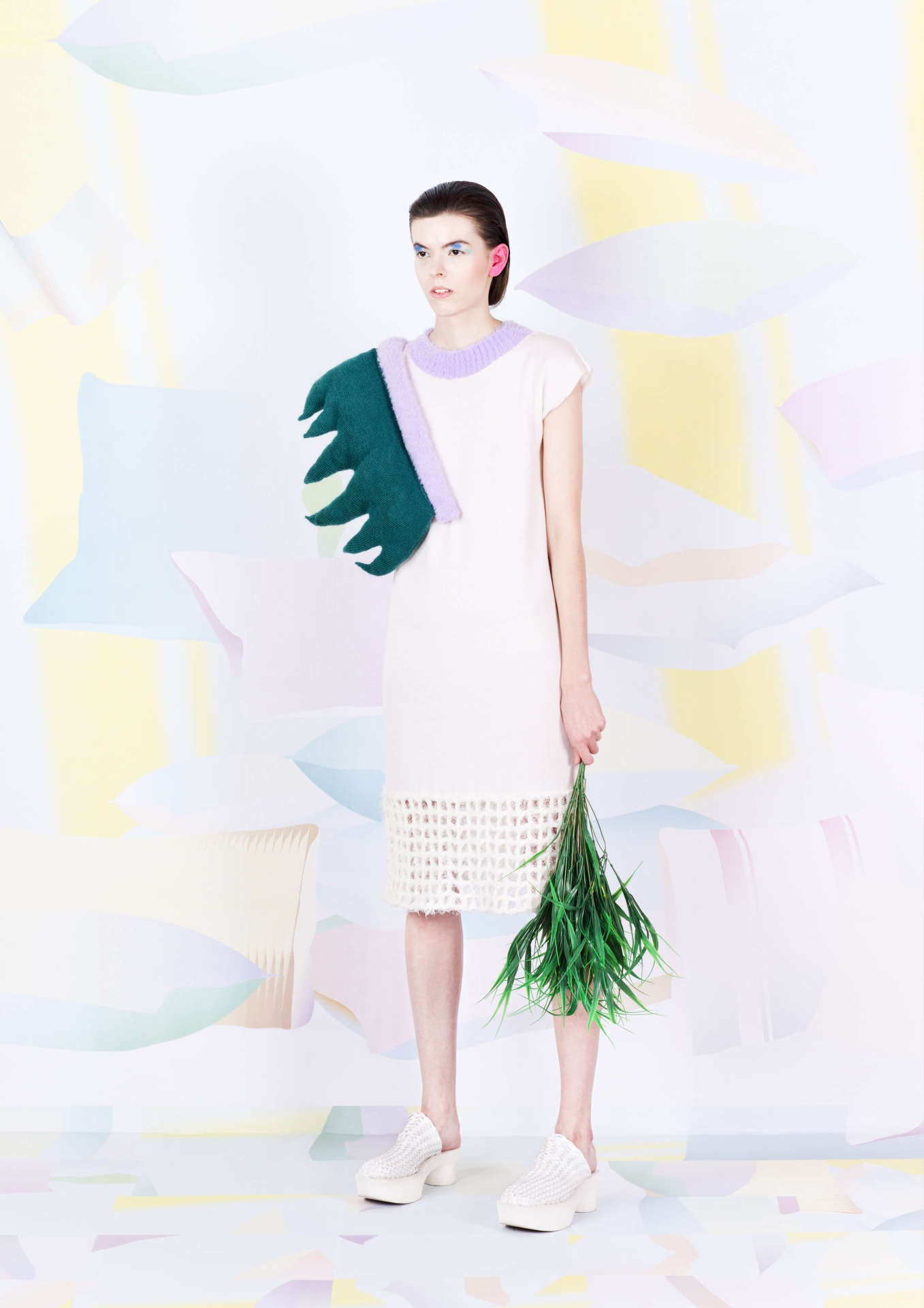
"There is nothing like TMI; this is the era of information!" Hannah Horvath points out to her classmates attending lessons of creative writing in the fourth series of Girls, and her Křižánkov-Zlín-Prague-European friend Vendula Knopová already takes this as a matter-of-course. The fans of her book Tutorial know that she spent her childhood with six siblings in a secluded dwelling next to a forest and the year of 2016 as the most successful Czech art photographer of the youngest generation, taking pride in receiving the award from the international fashion and photography festival in Hyéres, her inclusion on the Cool & Noteworthy list of The British Journal of Photography, and an array of presentations ranging from Fotomuseum Winterthur to Fondazione Prada.
Not everybody always has the information they should have, and Knopová fuses two worlds, at least one of which receives a vital "reality check" from her. There follows a selfie from a goat pasture, posted on her Facebook wall Vendula as an object "who wore what" from the Prague fashion week, where she is hiding her face behind an enormous Kinder chocolate box.
Only few can precisely differentiate between the pieces present in the rather extensive portfolio of Knopová's applied works for designers, galleries and fashion projects, and her free art – and, frankly put, only few probably desire to do that. Only the jury (which already nominated her last year) this time pondered nominating her photographs taken for the ecreati "creative" agency Živijó [Cheers] – which subsequently appeared as the artist's own project, put together in a gallery on the occasion of the Paris Photo exhibition.
Knopová's free and commissioned works are, however, based on identical aspects – artificiality and awkwardness. Her concepts abounding in both digital and content manipulations, too, are often born of cooperation with and for graphic designers (especially the DIP studio), and her style of treating color and surfaces, as well as her typical styling, testify to the mutual affinity between the two fields. Knopová documents the designers' works and they, in turn, contribute their little bit of Adobe (CorelDRAW?) to her. The photographer presents her images in her own milieu and the designers in theirs, none of them paying any attention to who has created what. Advertising objects in the style of a concrete mixing plant, portraits made of appropriated faces, a perfect family album of the most bizarre outtakes or a banquet at a fictitious wedding do not only make us laugh over our own weaknesses, but mainly paraphrase the conceited and often futile pursuit of attracting attention.
Knopová resonates with the hashtags of the time: the post-internet era, the East-European and millennial aesthetics, the world of independent magazines, the youthfulness, the high sight and the gambling on failure. But most importantly, the core of her works is stupidity arranged with extreme attention and detail, moreover presented with a poker face it is ironizing of the false worldliness and snobbery. In other words, the feature which the jury especially acknowledged in the design context.
Michal Nanoru


