1
Photographer of the Year
Tereza Mundilová
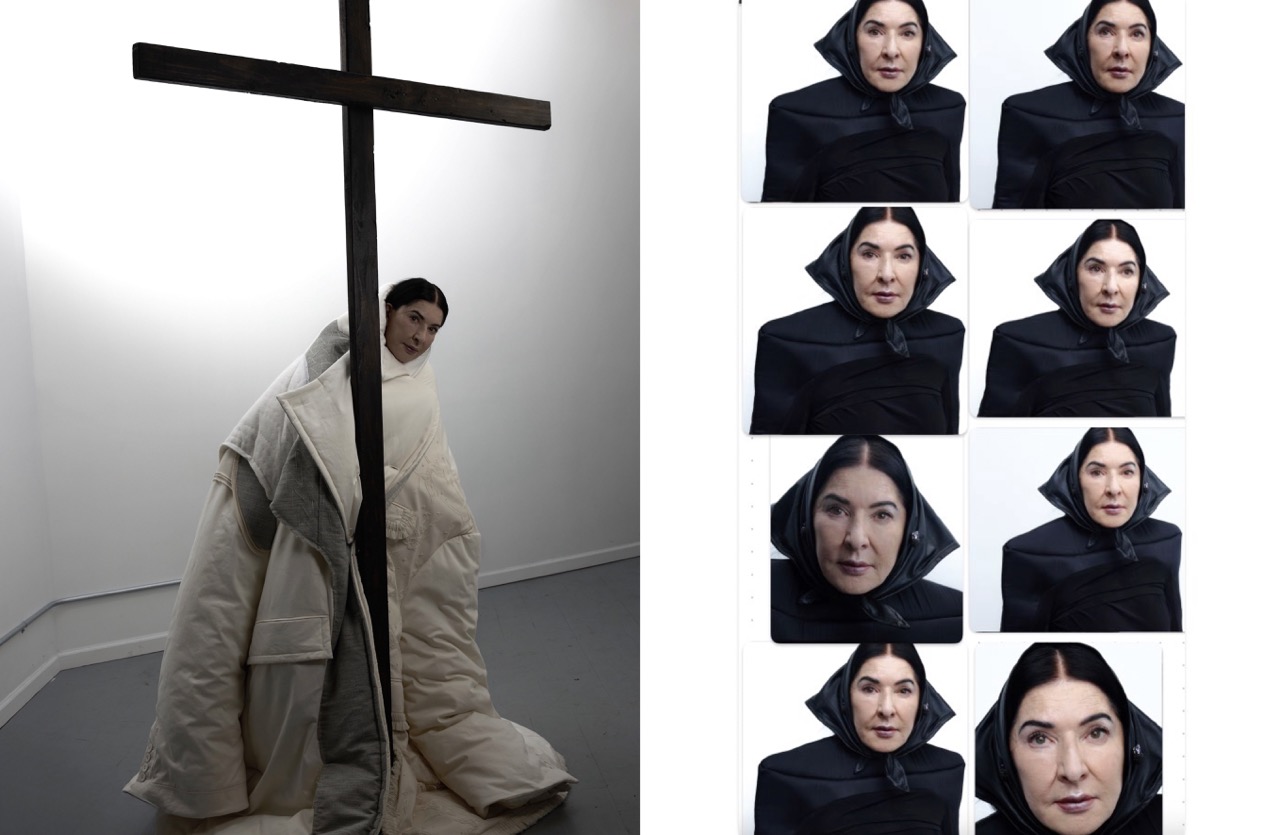
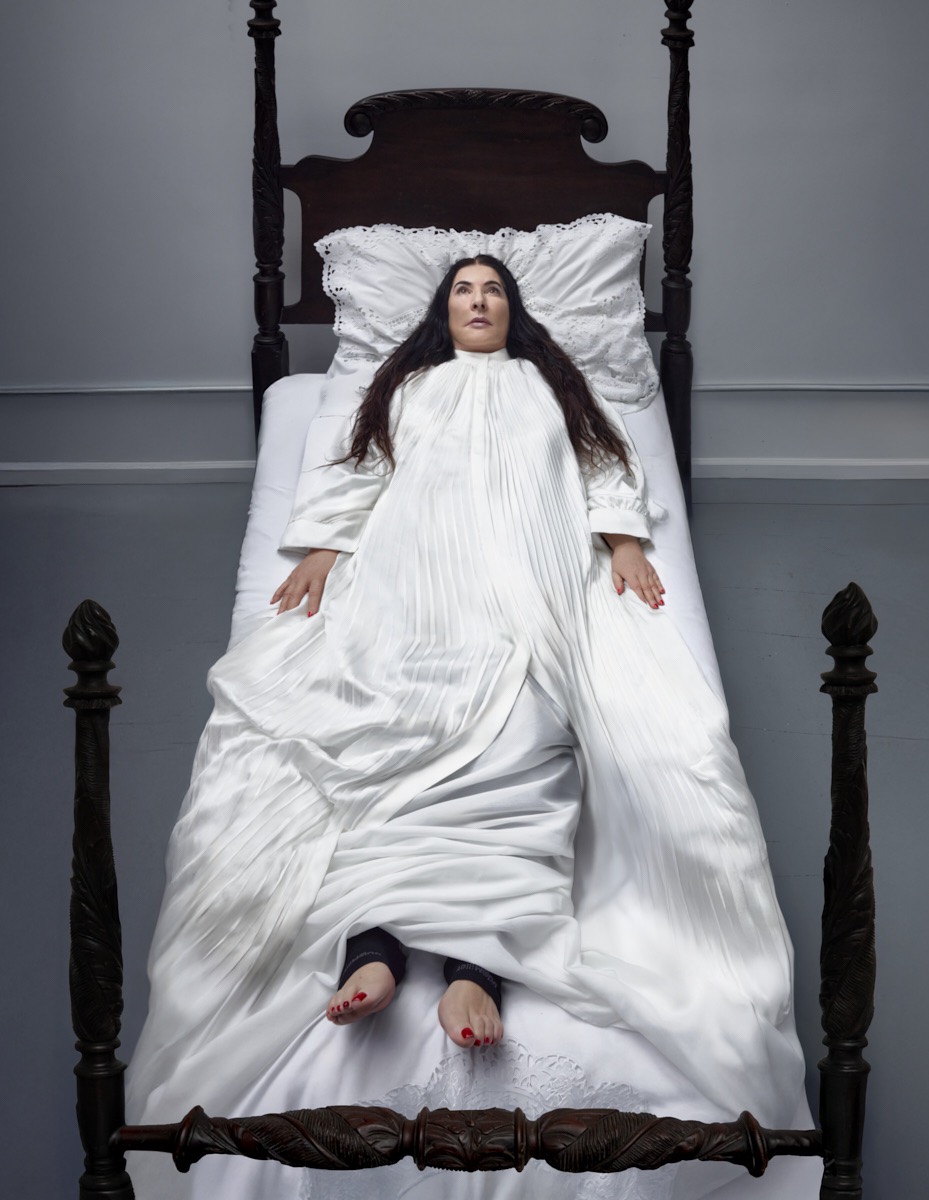
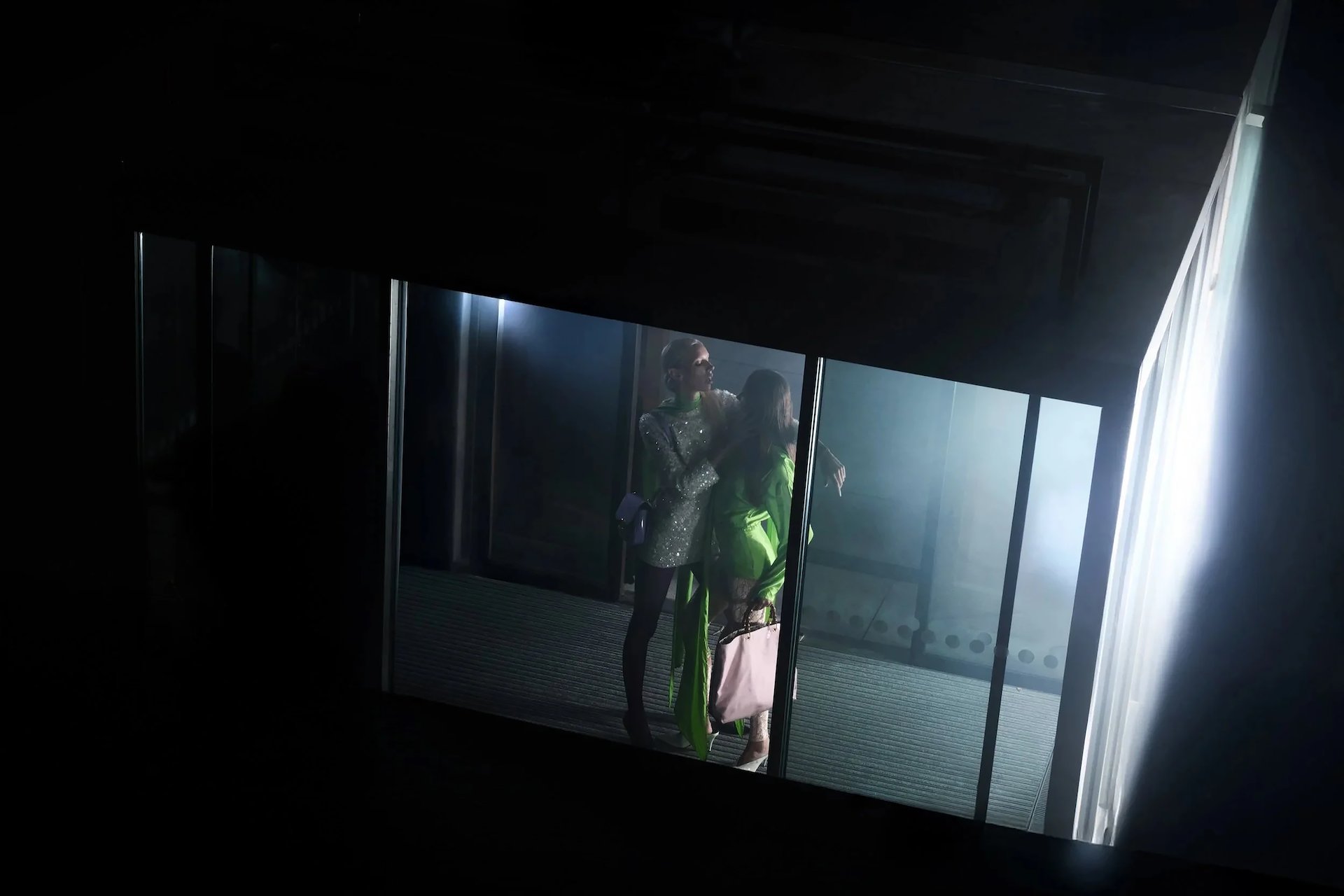
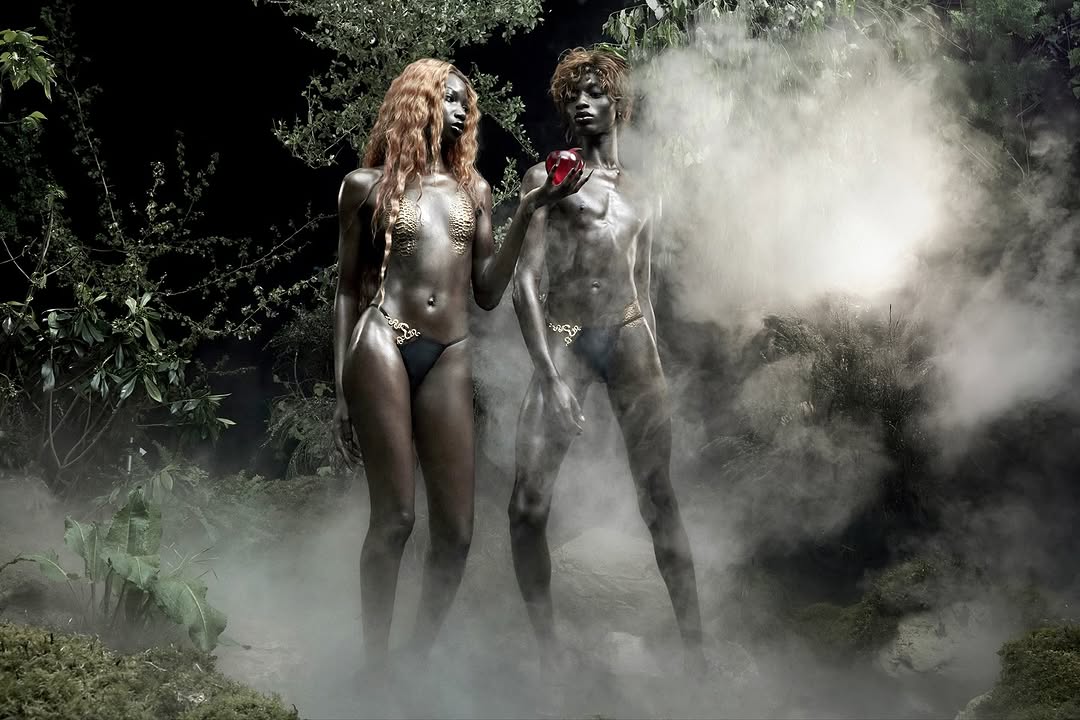
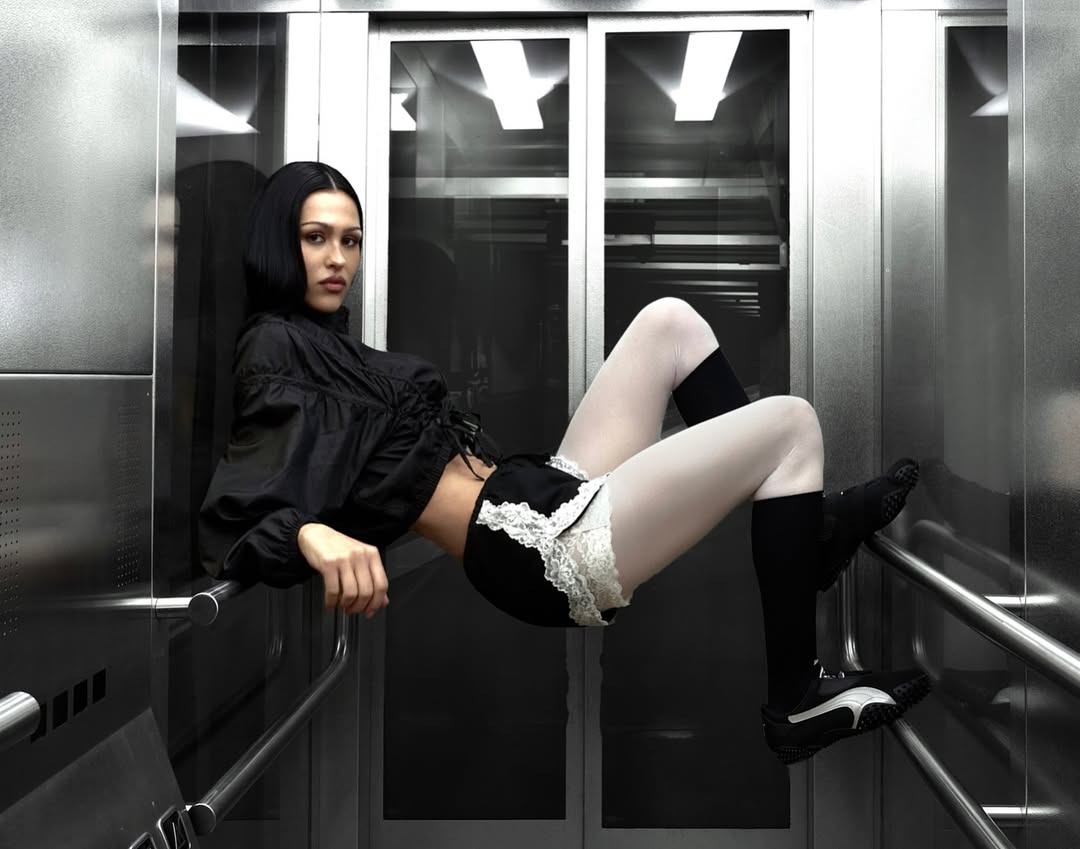
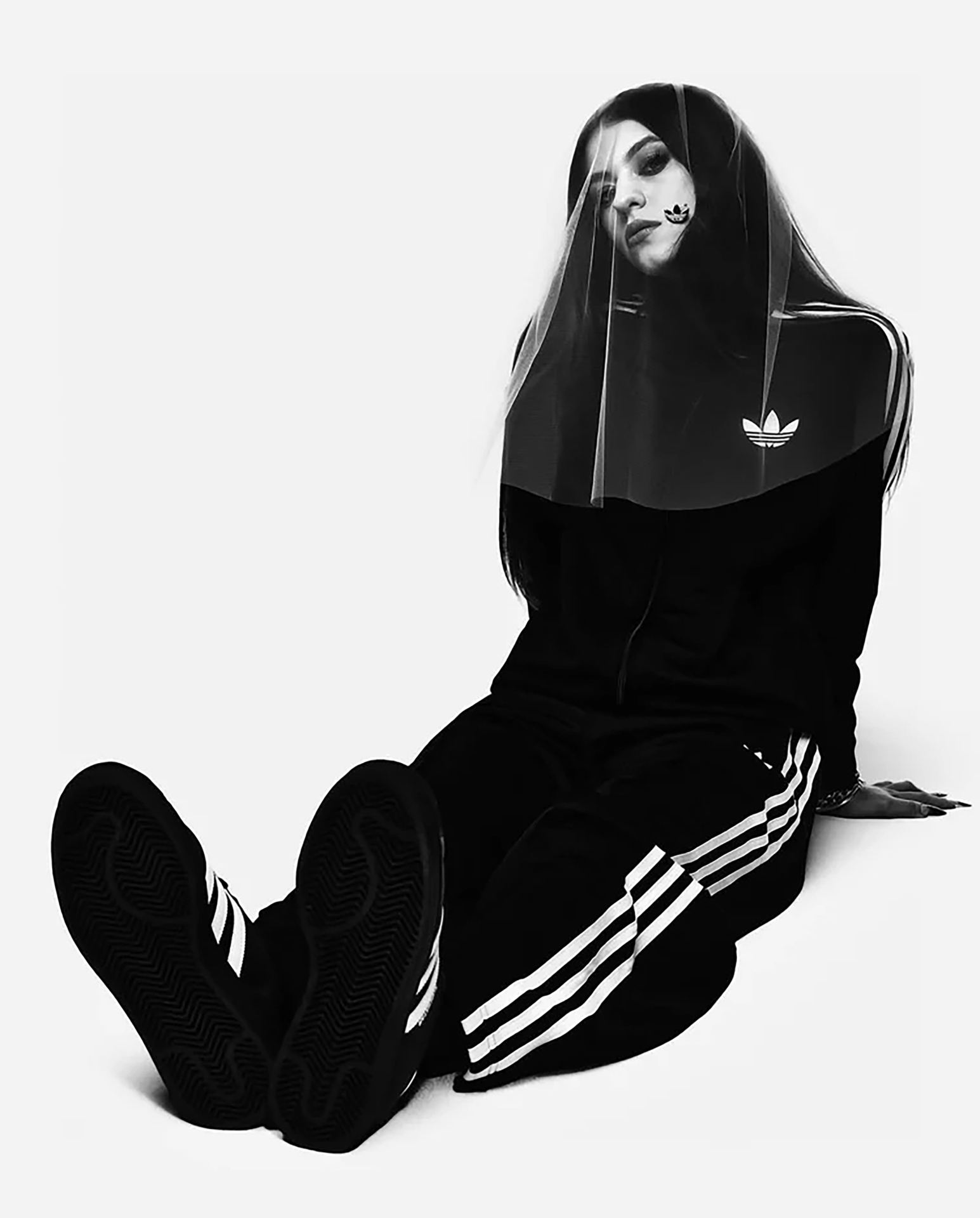
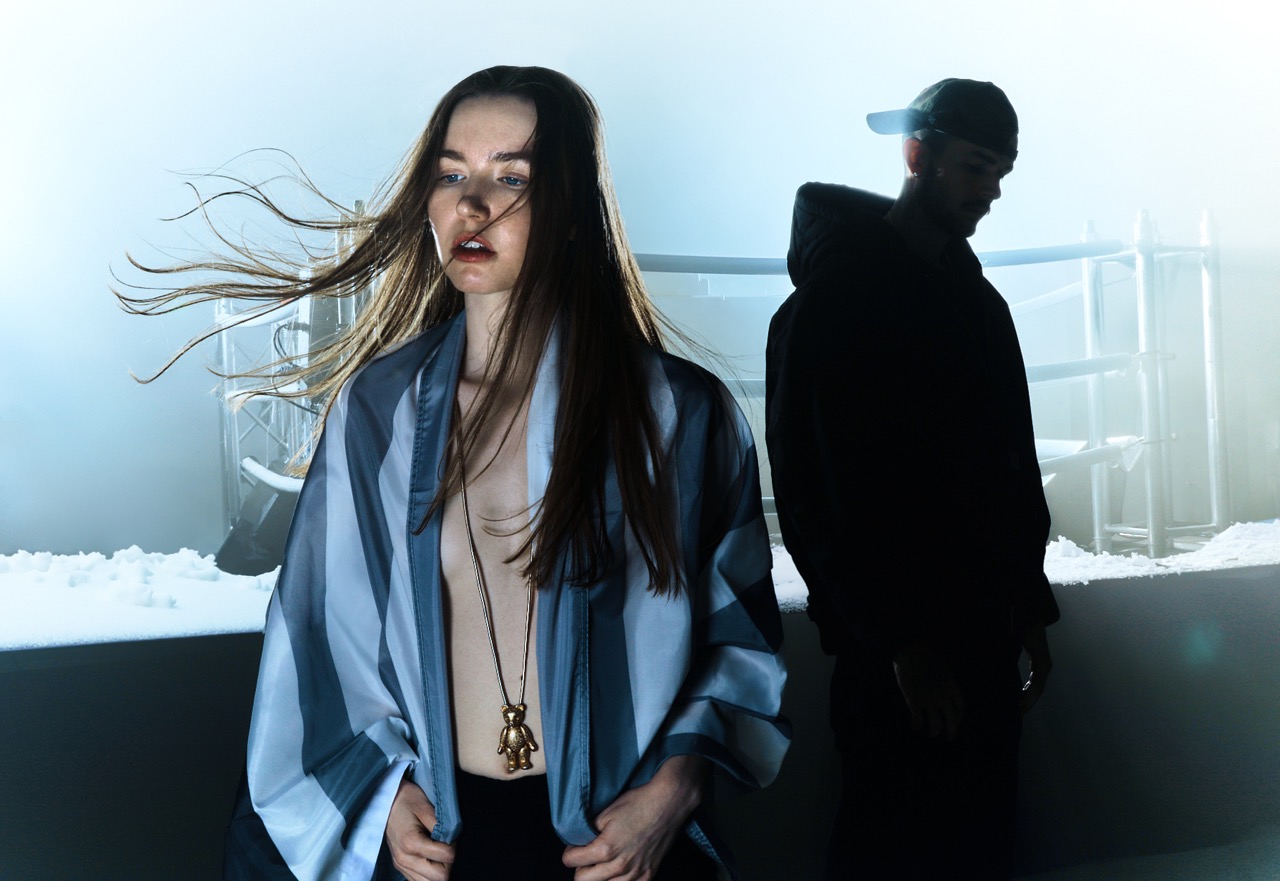
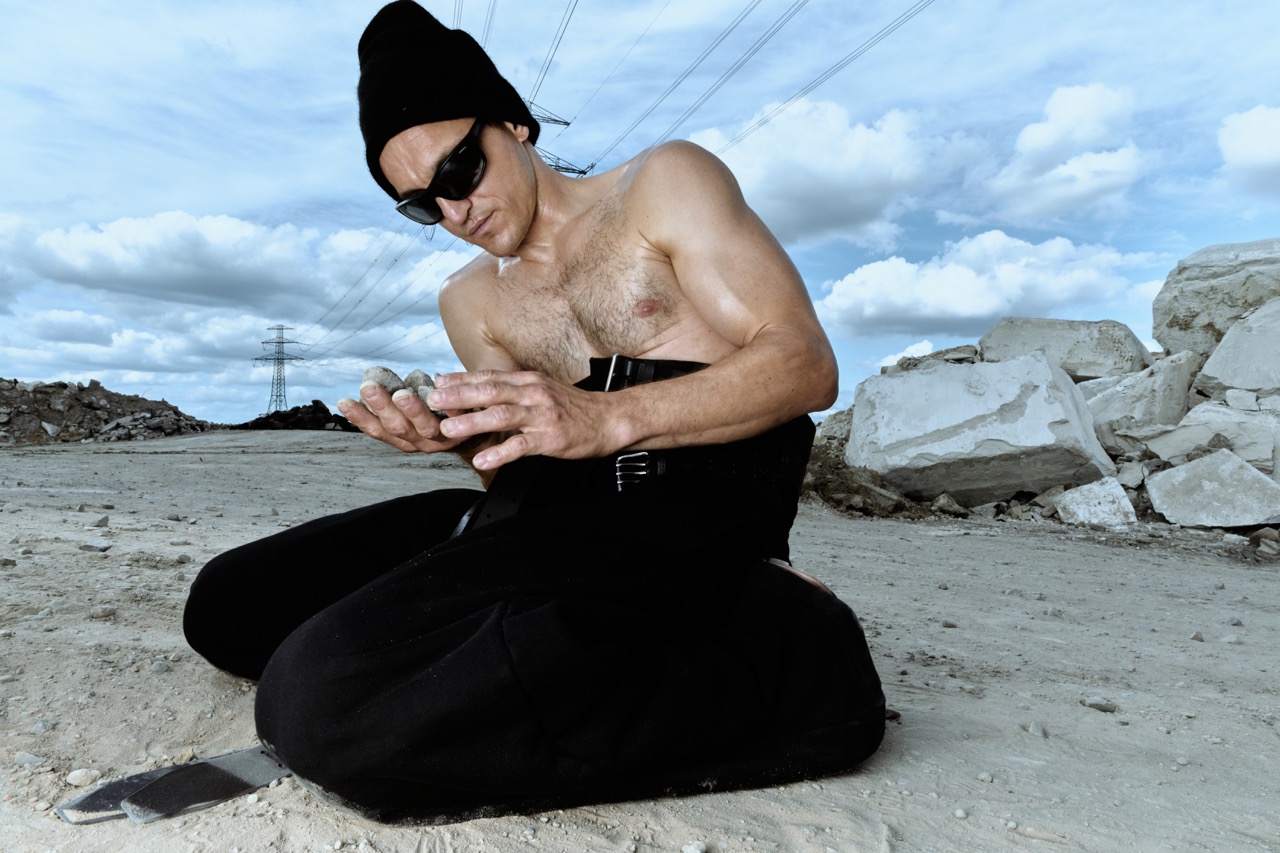
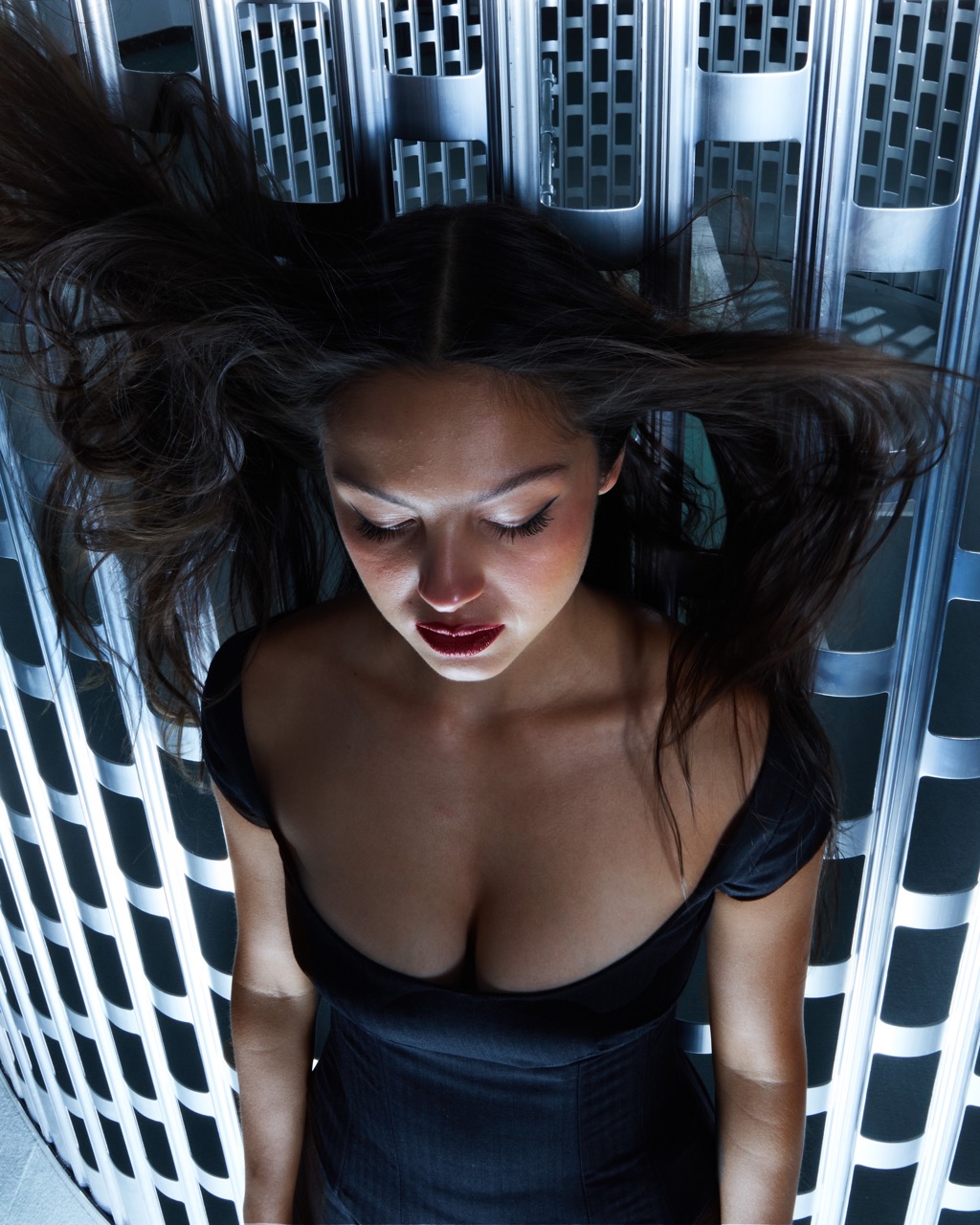
The work ethic of photographer Tereza Mundilová cannot be separated from the inner intensity of her pieces. Marina Abramović put it well in an interview for the prestigious London-based Re-edition magazine for which Mundilová took a few of her portraits. When asked whether her feverish tendency to work has something to do with a Slavic work ethic, Abramović replied: “Not at all. My brother, for example, he wrote above his bed: ‘If I feel like working, I lie down. Then the feeling goes away.’ I’m not like that. I’m busy. I love to work. To work, to work, to work.”
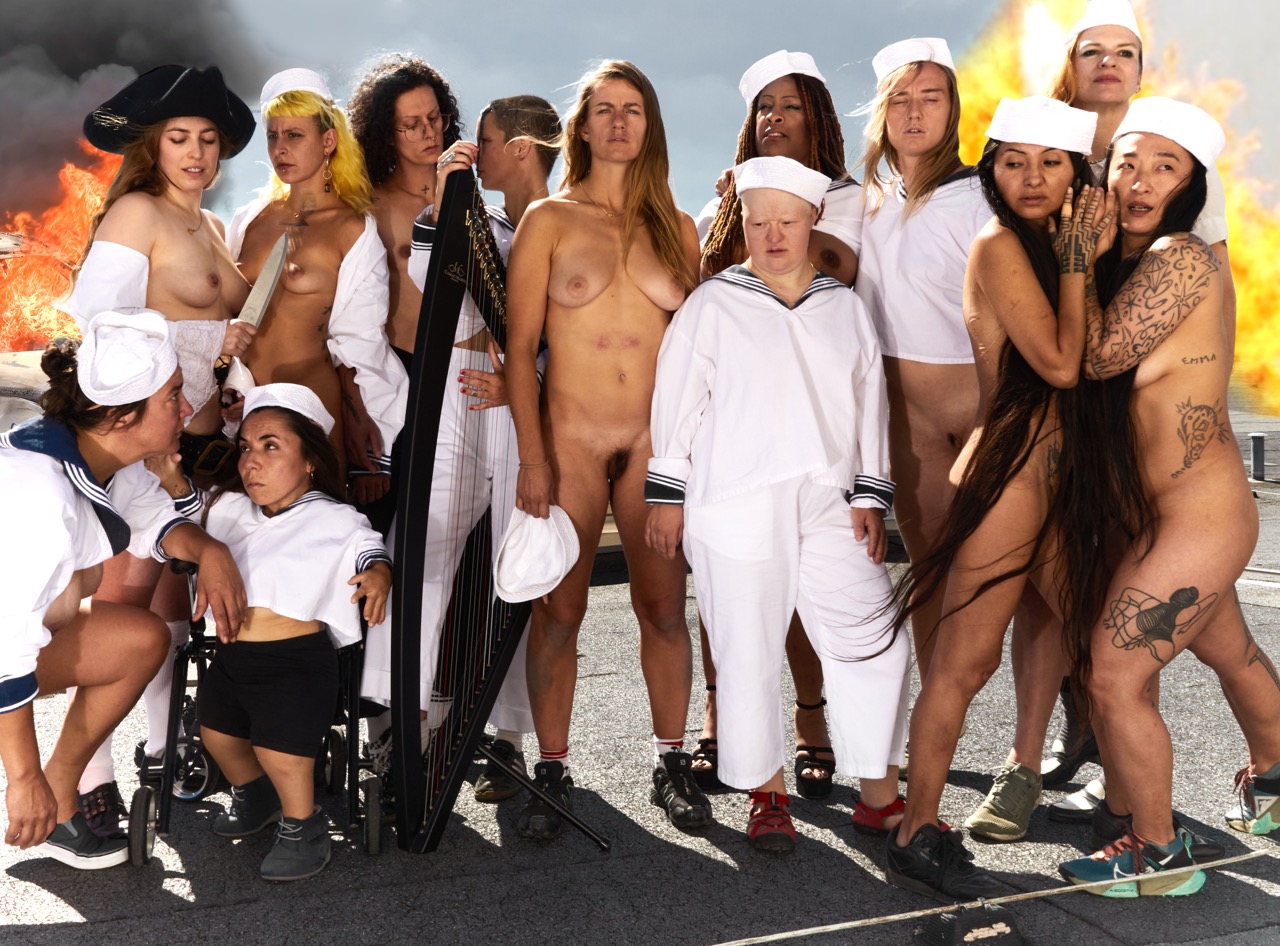
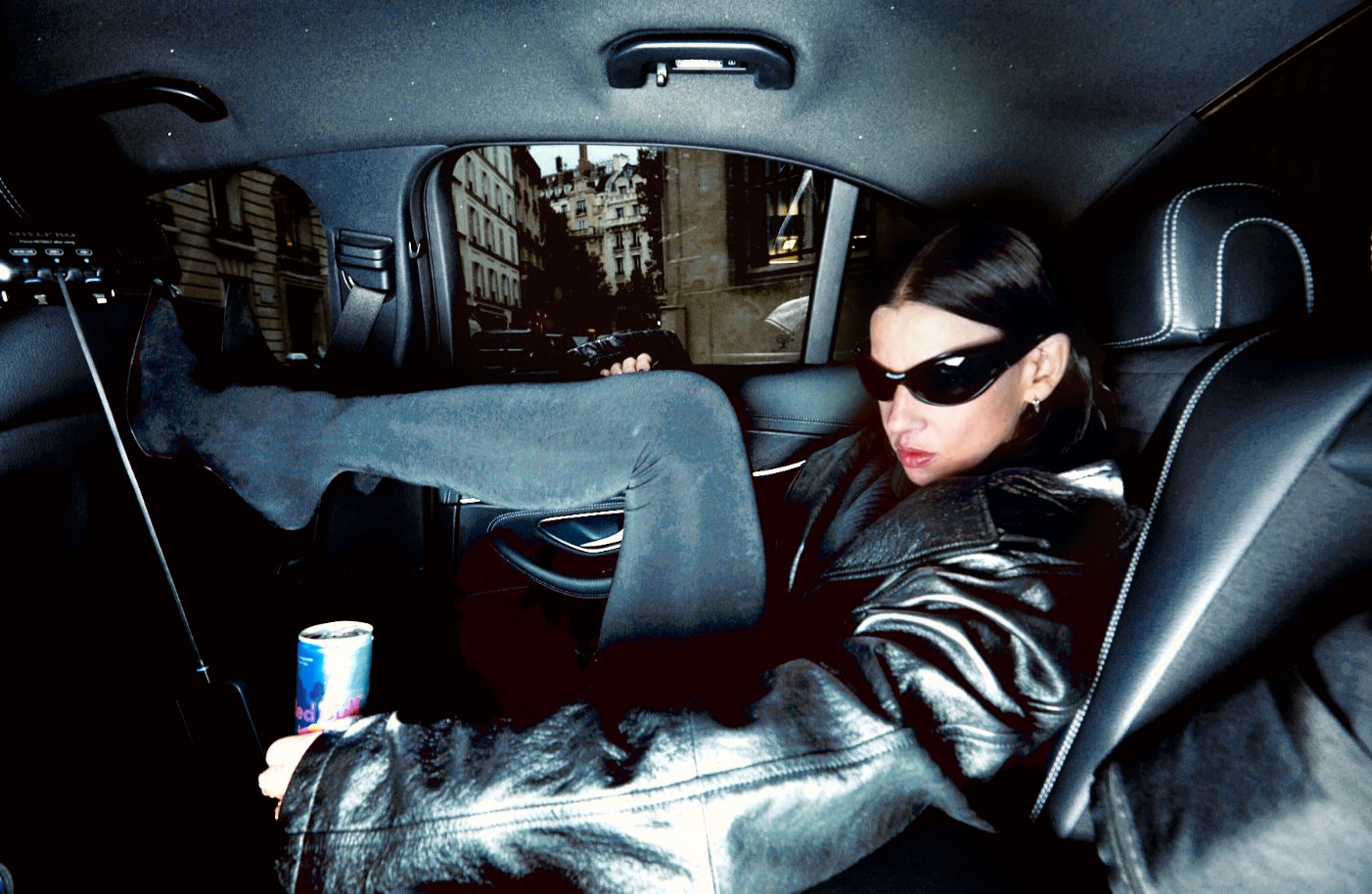
This answer also reflects Mundilová’s intense relationship to her own work, which impacts not only her creative method but has also often determined her place of residence, obvious from the list of major cities she has lived and worked in – Vienna, Berlin, New York, Munich, Paris… And she has drawn unique inspiration from each of them. For example, for Die Zeit magazine she created a series of provocative portraits of Anne Imhof, one of the most interesting persons working in contemporary art, which were exhibited on a Parisian roof. The portraits of Marina Abramović rather draw on Slavic folklore. As she herself explains, “These are intimate moments with dramatic, almost ritualized scenes; we find here an homage to Balkan erotica but they also provide reflection of Abramović’s interest in physical pain, fear and her courage to expose herself to uncomfortable situations.” Apart from editorial work, Mundilová has also been successful in the commercial context: for example, in her campaigns for Striplin, Puma Mostro and Adidas Superstar where she systematically exercised the same degree of authorial control and artistic radicality.
Monika Čejková
Matěj Beránek
Andrea Běhounková
Karel Císař
Karolína Davidová
Tereza Finková
Emma Hanzlíková
Anastázie Kahotski
Eduard Herrmann
Tereza Rosalie Kladošová
Danica Kovářová
Jan Králíček
Michal Lalinský
Tomáš Luňák
Kristýna Mazánková
Aleš Najbrt
Michal Nanoru
Veronika Ruppert
Alena Řezníčková
Martina Schneider Králová
Jan Press
Štěpán Smetana
Filip Suchomel
Kateřina Šachová
Nicole Štěch
Karolína Vránková
Tereza Zelenková
Jana Zielinski