1
Producer of the Year
Bomma

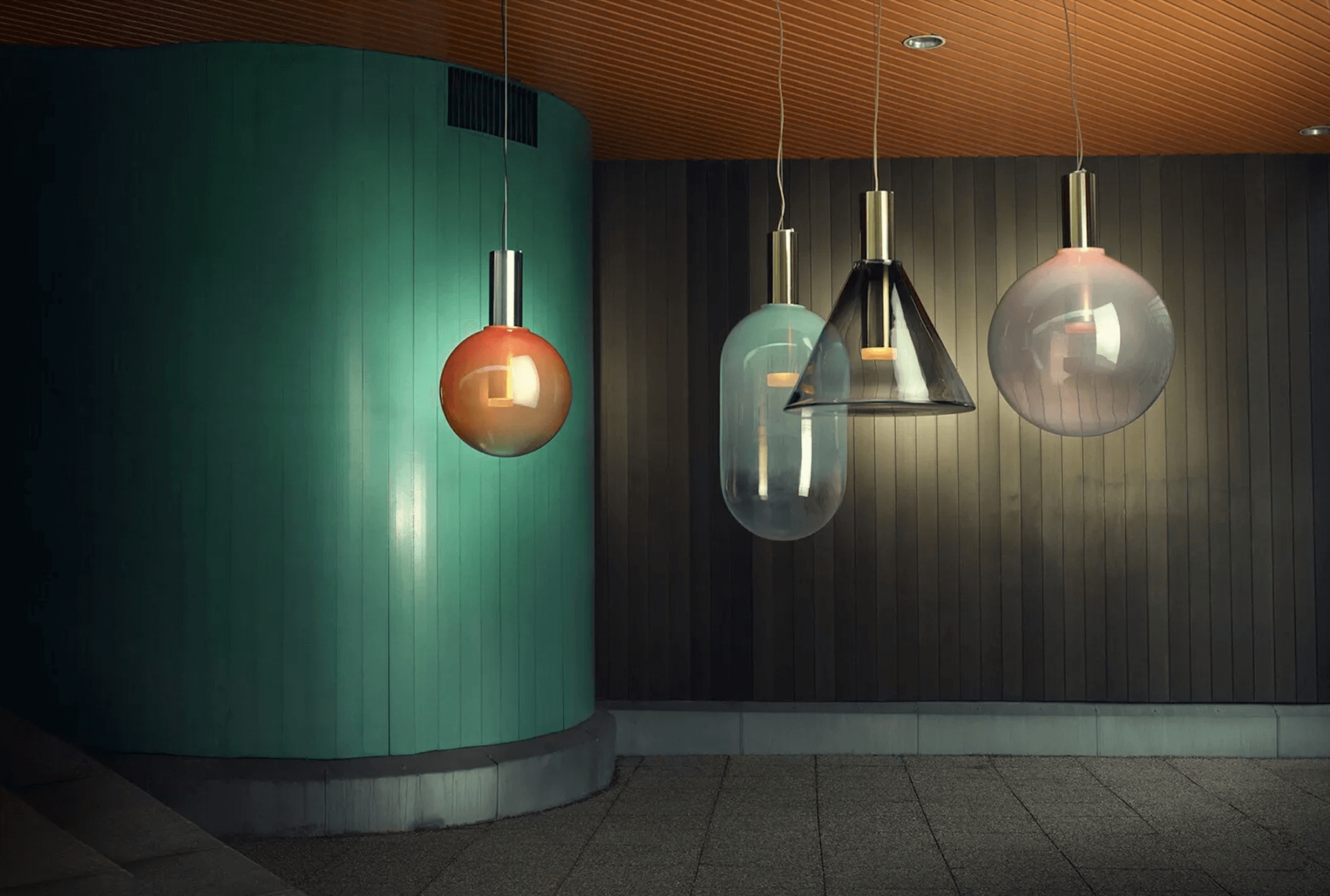

When the entrepreneur Jiří Trtík was establishing the BOMMA brand in 2012, he saw it as an attempt to revive the secular glassmaking tradition in the village of Světlá. He employed the local, recently dismissed glassmakers and engineers and persuaded them to further develop the traditional methods of hand-blown glassmaking. At the same time, however, he invested in a new production line for pressed glass with ultramodern machines (delivered by the parent company Bohemia Machine), which brought the latest innovative technology that enables precise grinding of processed glass. This fusion of the old and the new is what gives BOMMA its unique position in the European market. The technology itself, however, does not guarantee continuous success, so BOMMA also smartly ventured into cooperation with both Czech and international designers of good repute, such as Olgoj Chorchoj, Maxim Velčovský, František Vízner, Rony Plesl and Arik Levy.
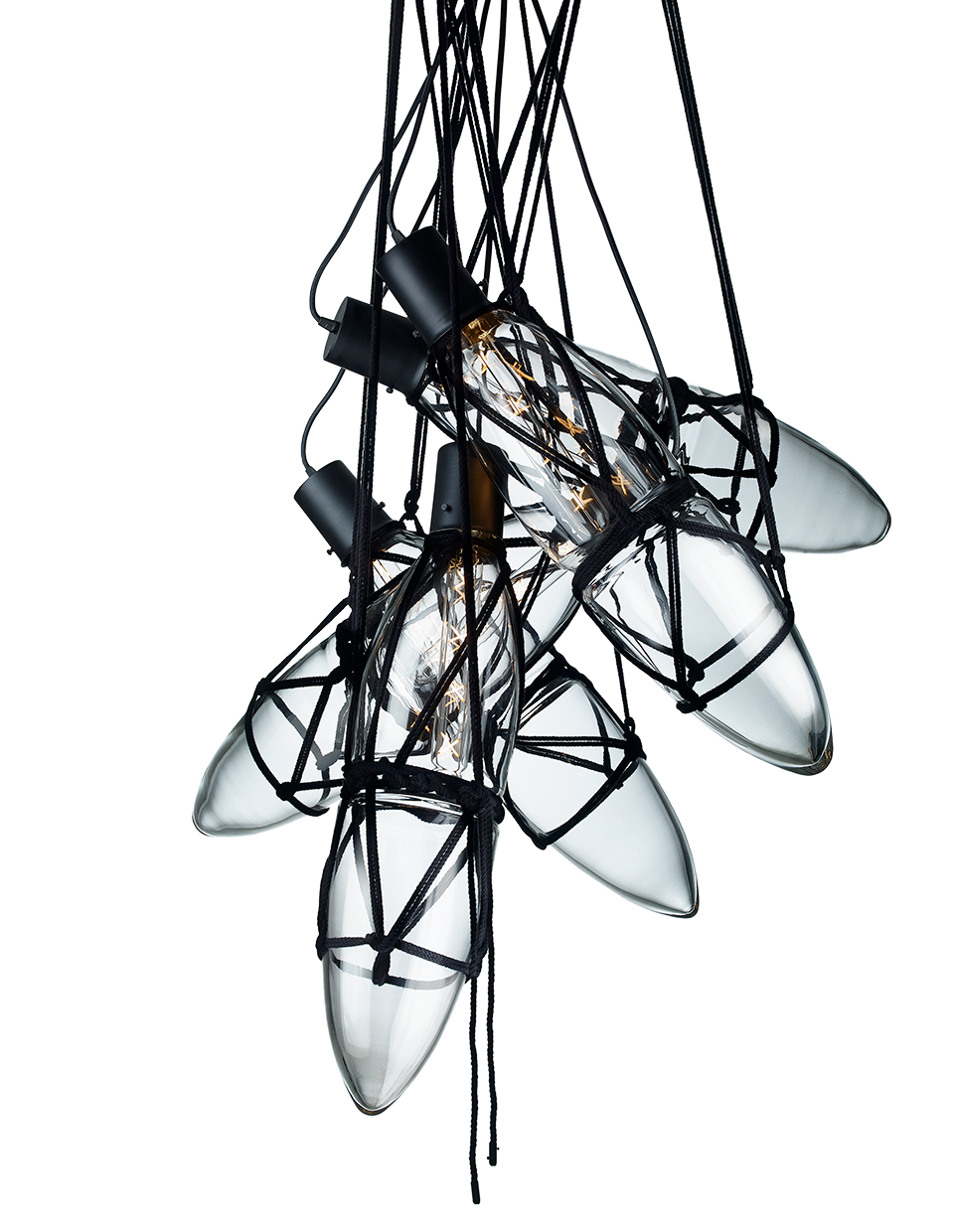
The company began writing a new chapter in 2015 when it presented not only sets of drinking and decorative glass, but also its new limited editions of large suspension lamps. Soon after, it definitely confirmed the expansion of its portfolio by founding the platform BOMMA Lighting, under which it exhibited the 2016-edition lights at the Paris fair Maison & Objet, as well as at Designblok in Prague. The launch was augmented by the unique PR photographs taken in the brutalist interiors of the Czech embassy in Berlin, built in the 1970s from the design by the Machonin couple. The collection includes the lighting objects called Phenomena, created by the Dechem studio, which adopted the basic geometric forms (sphere, cone and cylinder) and employ the ombré color effect, resulting in the impression that they are slowly dissolving in space, and thus following Platon's idea of unreal reflections of ideal forms. Other lights, called Soap, designed by the BOMMA head of development, Ota Svoboda, were inspired by soap bubbles and their changeability, achieved by metal-plating. The designers Jan Plecháč and Henry Wielgus went even further and "cast" glass Chinese (paper) lanterns. The Orient, after all, also served as inspiration for Kateřina Handlová, who explored the Japanese art of kinbaku and firmly tied the glass bodies of the Shibaru lights with the help of various loops and knots.
Danica Kovářová