1
Jewelry Designer of the Year
Nastassia Aleinikava
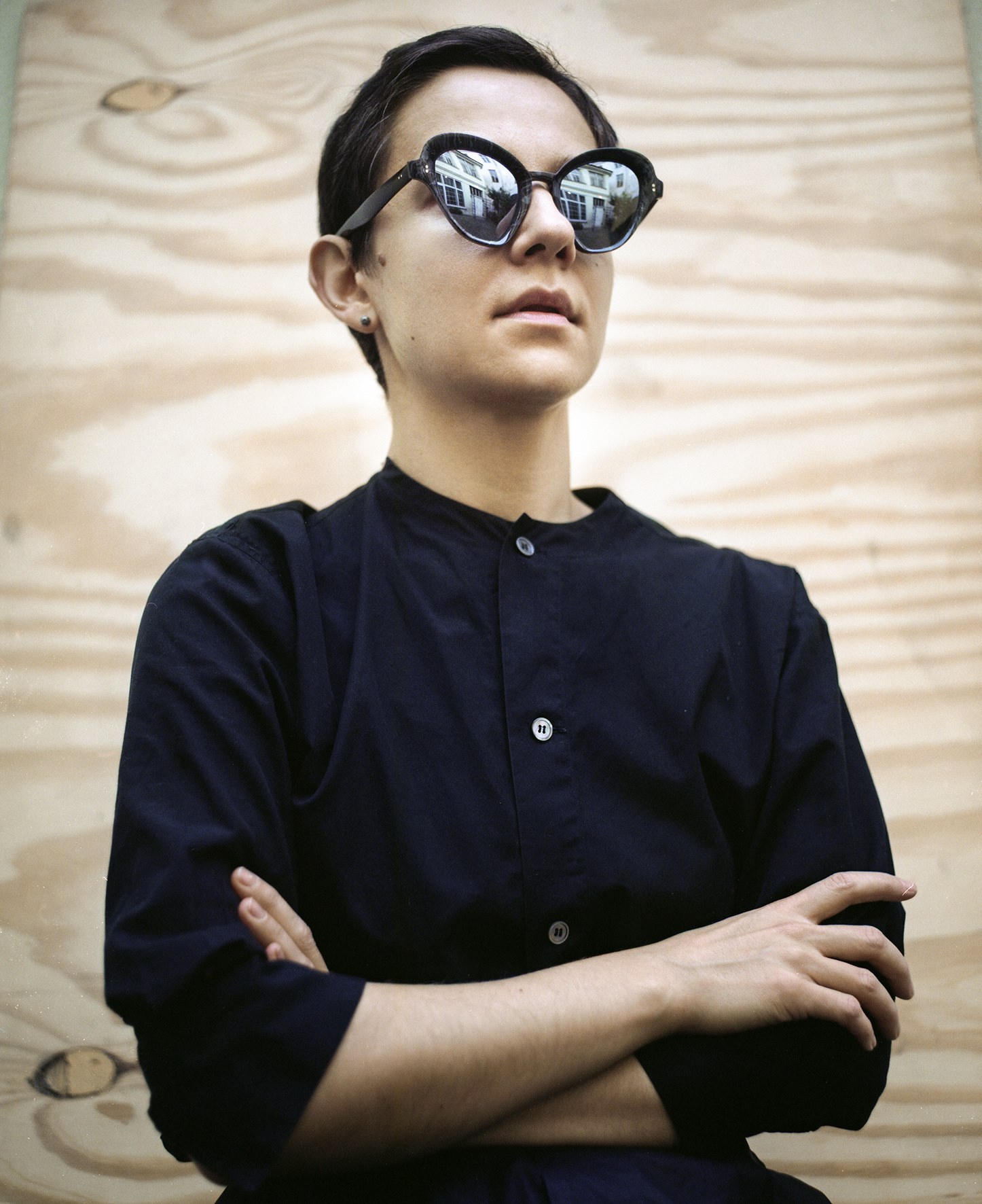
Although eyewear and jewellery represent utterly different categories, they co-exist perfectly in the workshop of Nastassia Aleinikava. The artist chose the field of eyewear design several years ago as the subject of her diploma in the K.O.V. studio of Eva Eisler at the Prague Academy of Arts, Architecture and Design, reportedly aiming to explore the sphere outside authorial jewellery and seeking inspiration in the era preceding the industrial production of glasses, when they were still a classy accessory of the elite. Last year, she presented her already third eyewear collection entitled Utopia, in which she examines in a fascinating way the potential of cellulose acetate. Her point of departure is science fiction as a specific way of perceiving the worlds of literature and industrial design of the latter half of the 20th century. The collection, containing many references to A. C. Clark and Ray Bradbury, includes models rather reminiscent of masks, as well as perfectly wearable, albeit extravagant pieces. The design, employed materials and treatment turn the eyewear in Aleinikava's interpretation into luxurious jewels.
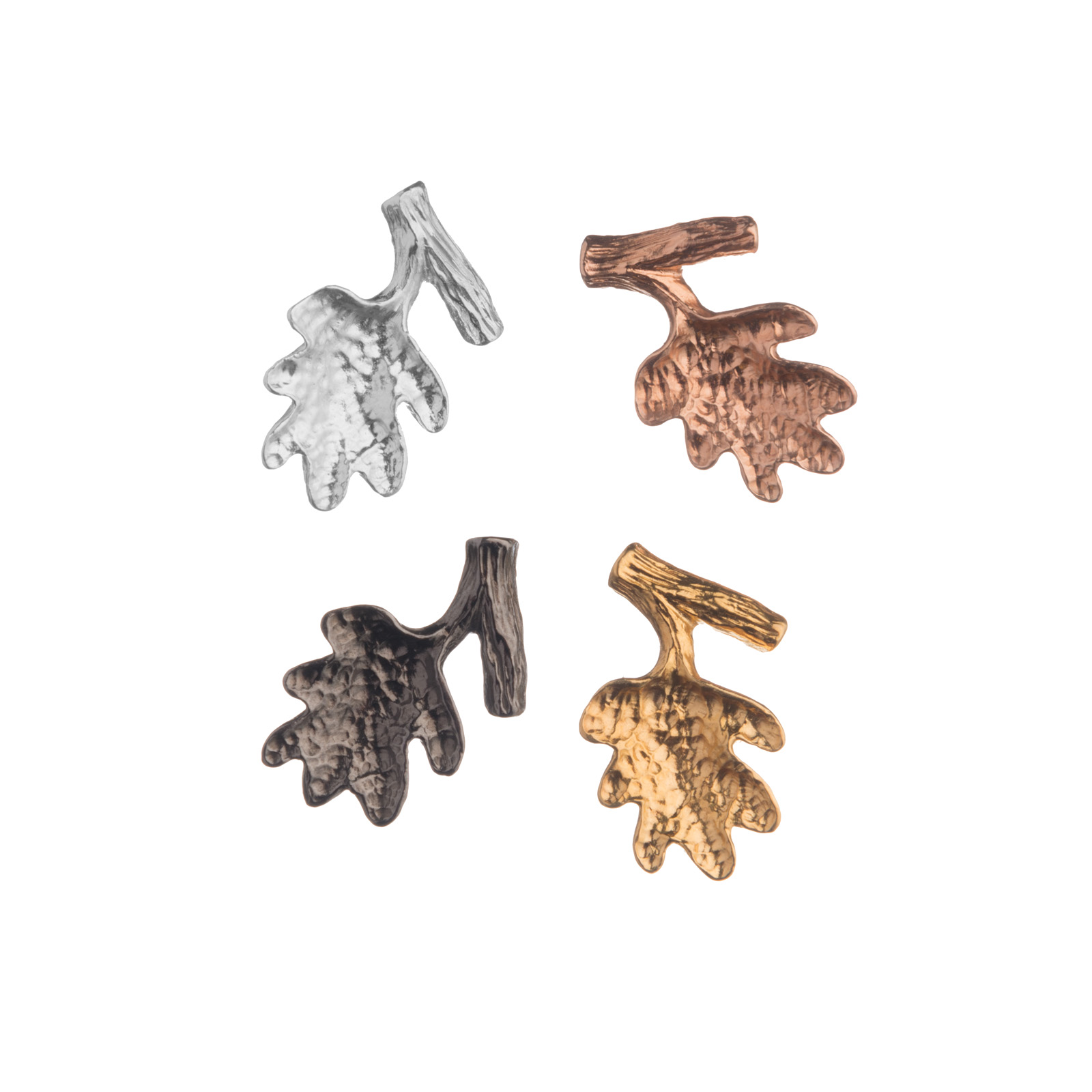
In her work, Nastassia likes to elaborate on subjects linked with history and mystery. Besides eyewear, she also presented last year a jewellery collection entitled The Voynich Manuscript. The as yet unraveled manuscript, so eagerly loved by the anomalists, was written in an unknown script and unknown language, and thus no one knows whether it is a list of forbidden herbs or a book of life. Its first documented owner was an early 17th-century Prague-based alchemist, Georgius Barschius, and it was named after Wilfrid Michael Voynich (Wojnicz, Vojnič), an American businessman of Polish-Lithuanian origin, who purchased it in Italy in 1912 from a library of the Jesuit order. Referring to the mysterious book, Aleinikava created a collection of jewels with forms reminding one of mysterious plants and inviting dreams about hidden symbols. The simple leaves of the earrings in the collection gradually grow into the complex and intricate shapes of brooches, all executed in the artist's characteristic style and in gold, silver and ruthenium.
Tereza Kozlová