2
Discovery of the Year
Malai Biomaterials
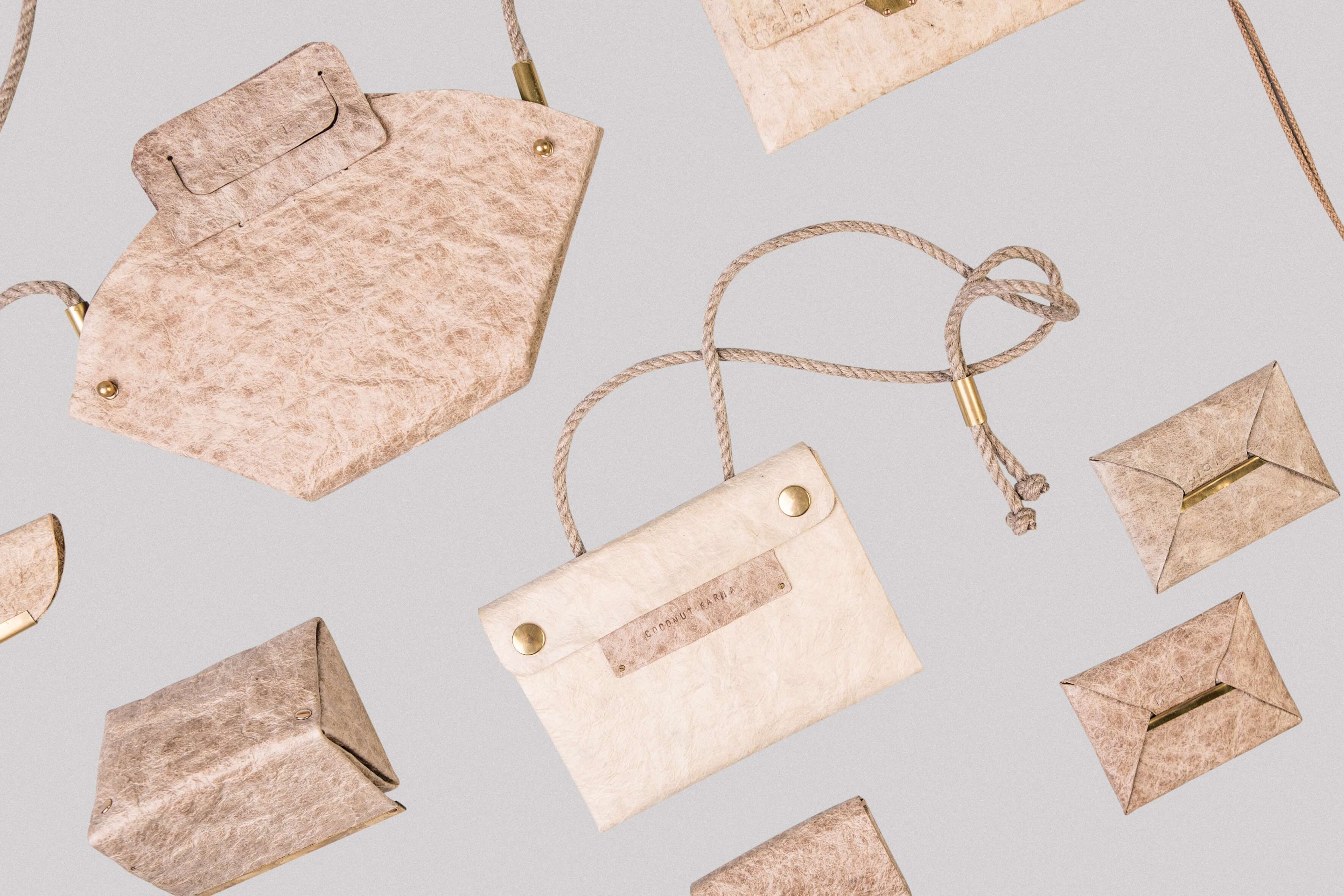
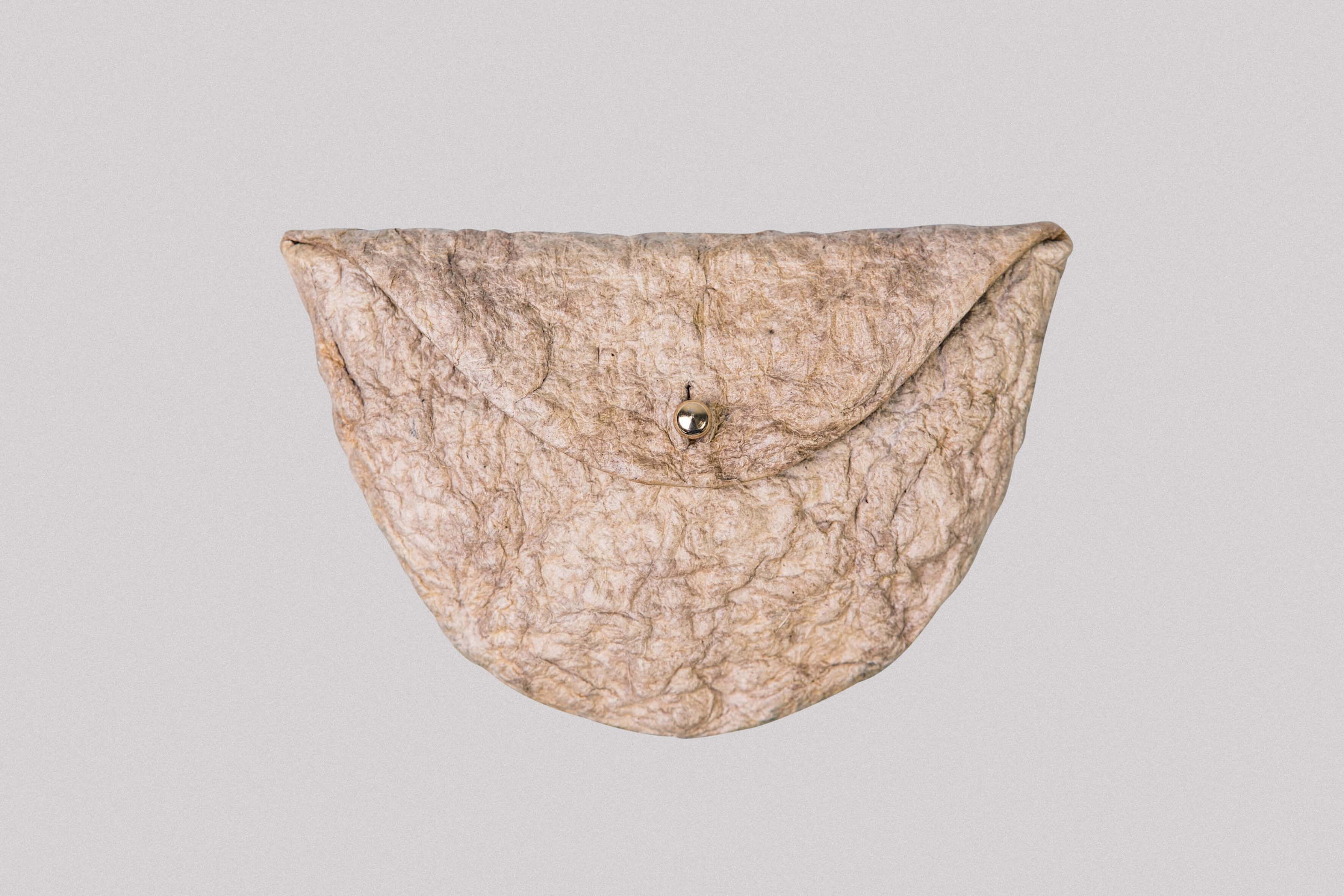
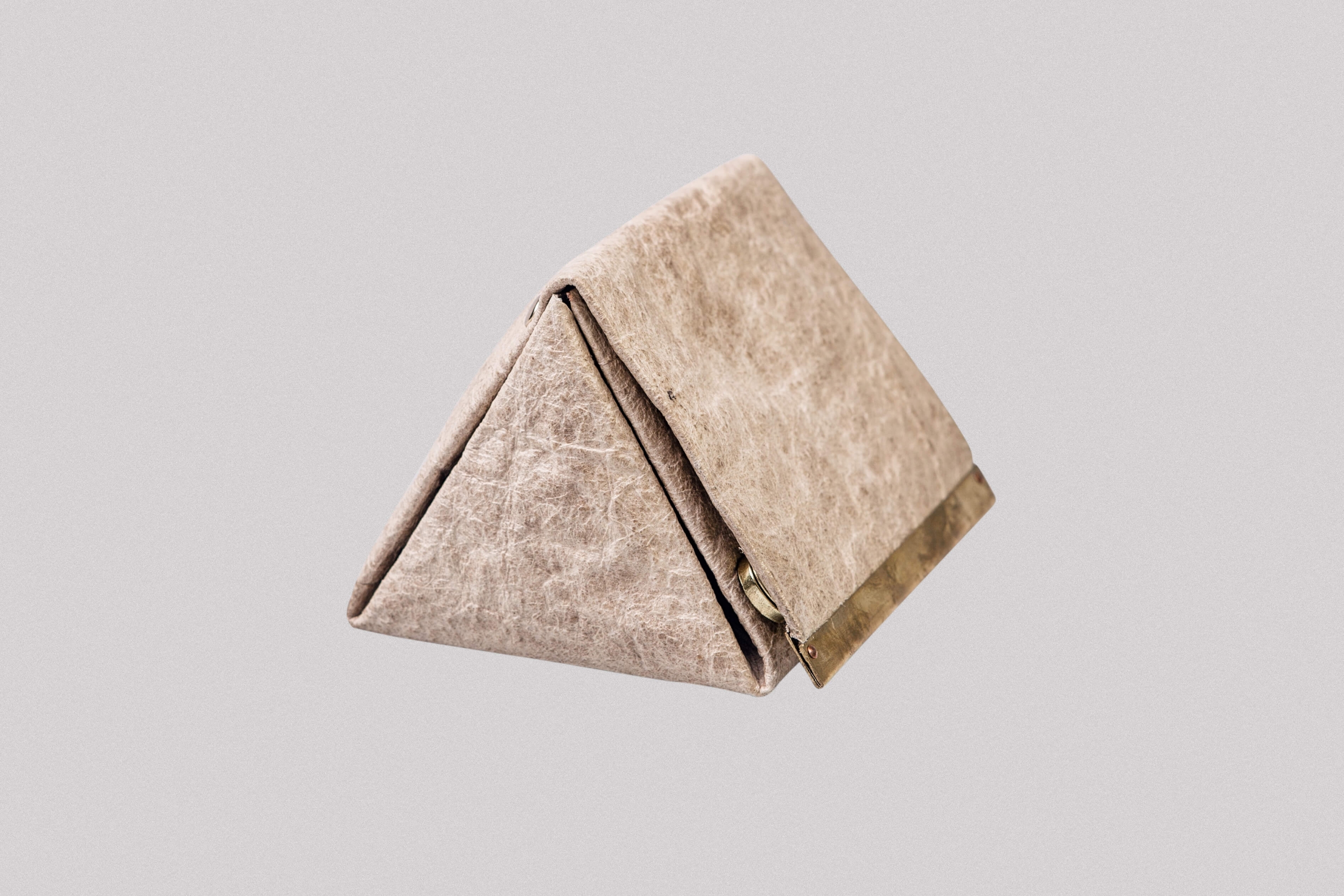
Malai is a biomaterial with a global potential, developed by the Slovak designer, Zuzana Gombošová, and her partner, Susmith. In India, the two managed to invent a new bio-composite material, which replaces leather, is decomposable in Nature and its production does not require any harmful chemicals.
The story of the origination of the Malai material, sometimes also called ""coconut leather", perfectly corresponds with the saying "What one does not find useful, another one can". Unlike leather, Malai is waterproof and can even be shaped into three-dimensional objects, and is therefore not only usable in the sphere of fashion industry but also in the field of furniture and interior accessories production.
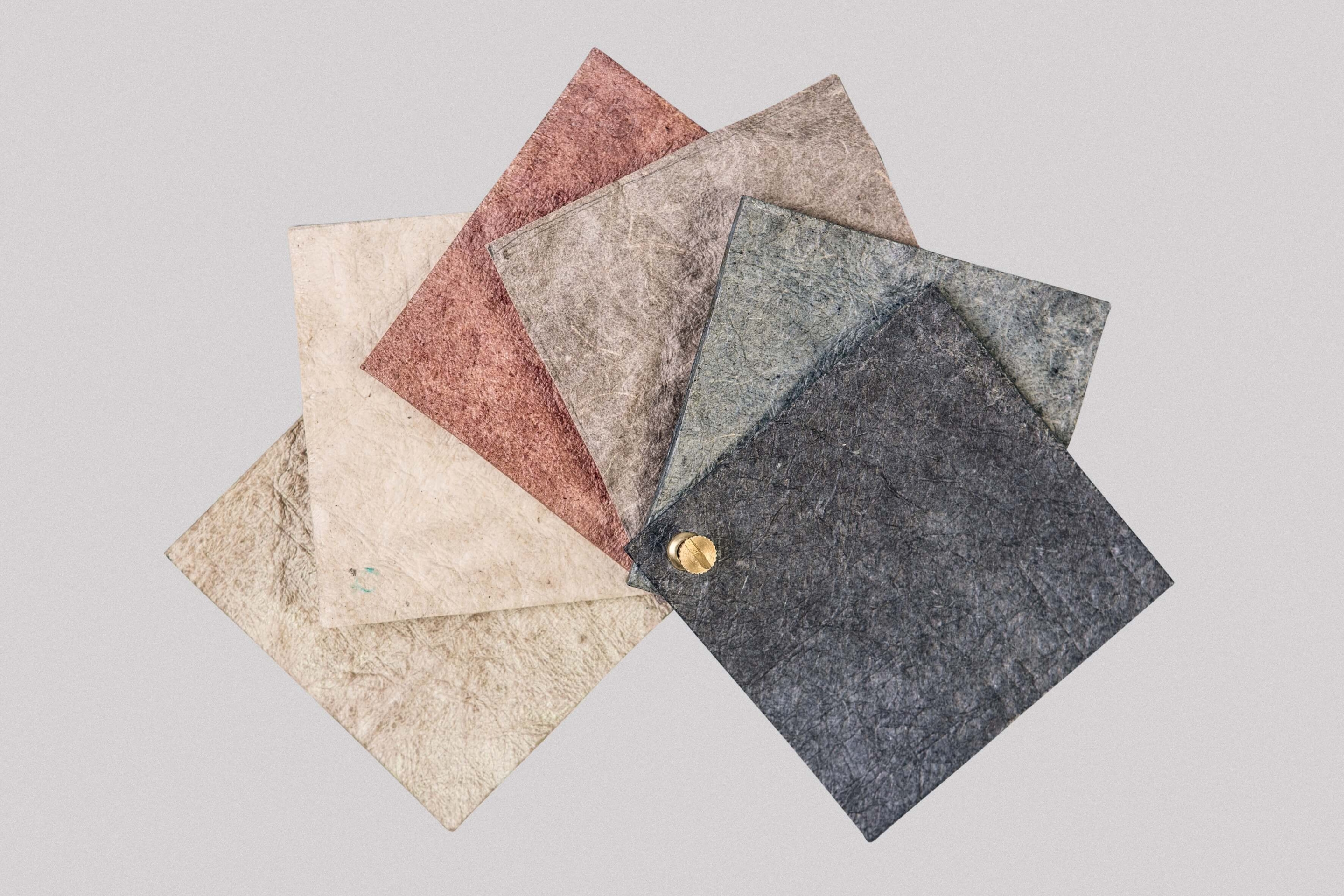
Malai is made of organic bacterial cellulose. It is in fact a waste provided by agricultural production in the coconut industry in South India, where the two designers live and where the material has hitherto been subsequently processed into a sweet dessert. However, Zuzana and Susmith found a way of transforming the cellulose into a commercially usable material – with the help of the local farmers and machines constructed on their own, they collect coconut water (which would otherwise drain away to soil and pollute it) and turn it into bacterial cellulose. They began mix it with natural banana, hemp or sisal fibers, dying them with purely natural dyes. Malai thus be of various colors and is suitable for silk-screen printing as well. The duo would like to focus on further refining the qualities of the material: to increase its durability, produce various finishes, thicknesses and colors and so on. It is worth mentioning that Malai is also exceptional due to the fact that, at this moment, there is no other similar bio-composite anywhere in the world.
Adéla Kudrnová