2024
Producer of the Year
Bomma
Producer of the Year
Bomma

Flare lighting collection (Kateřina Handlová) and Fragments (DECHEM) lighting collection
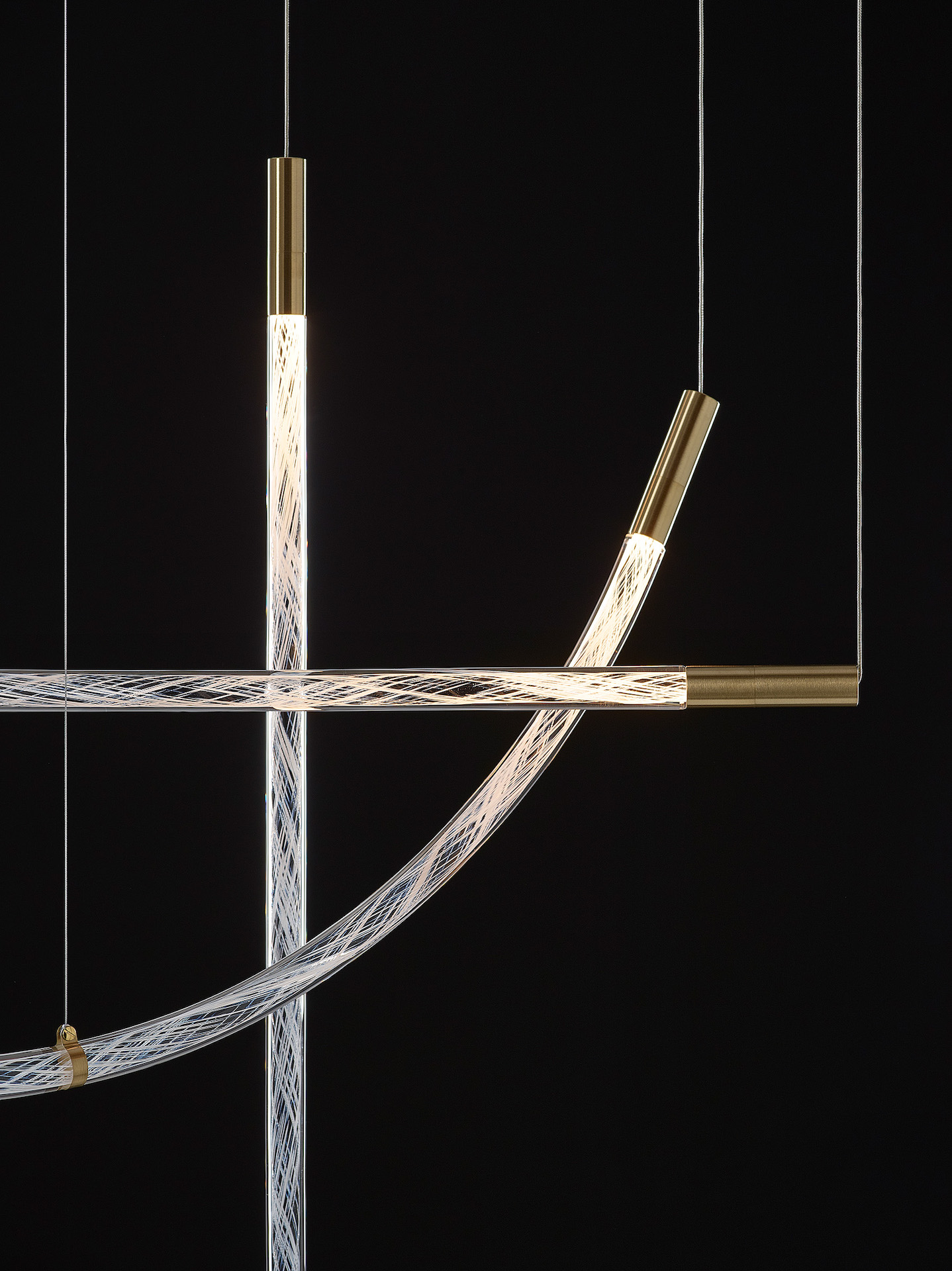
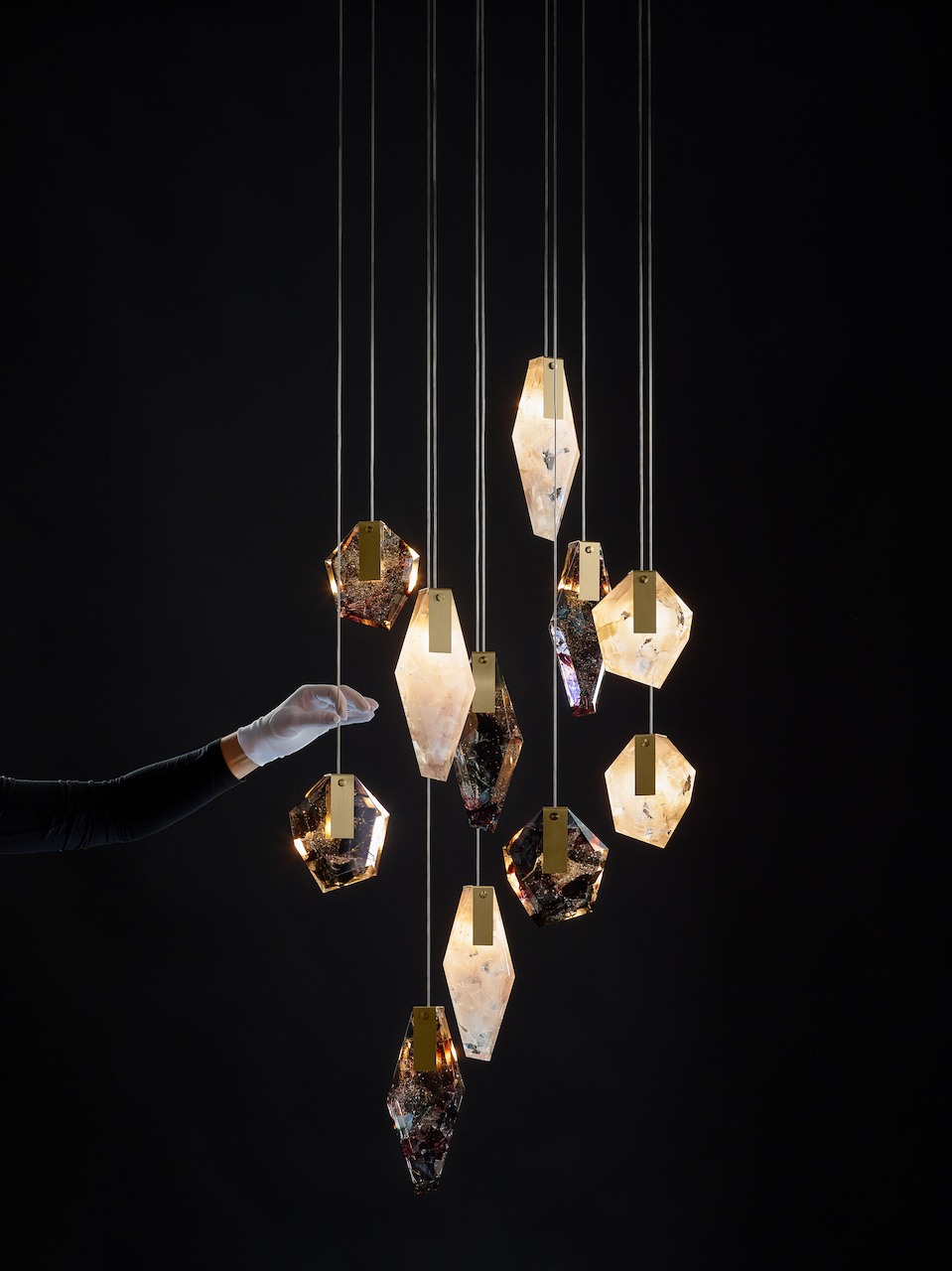
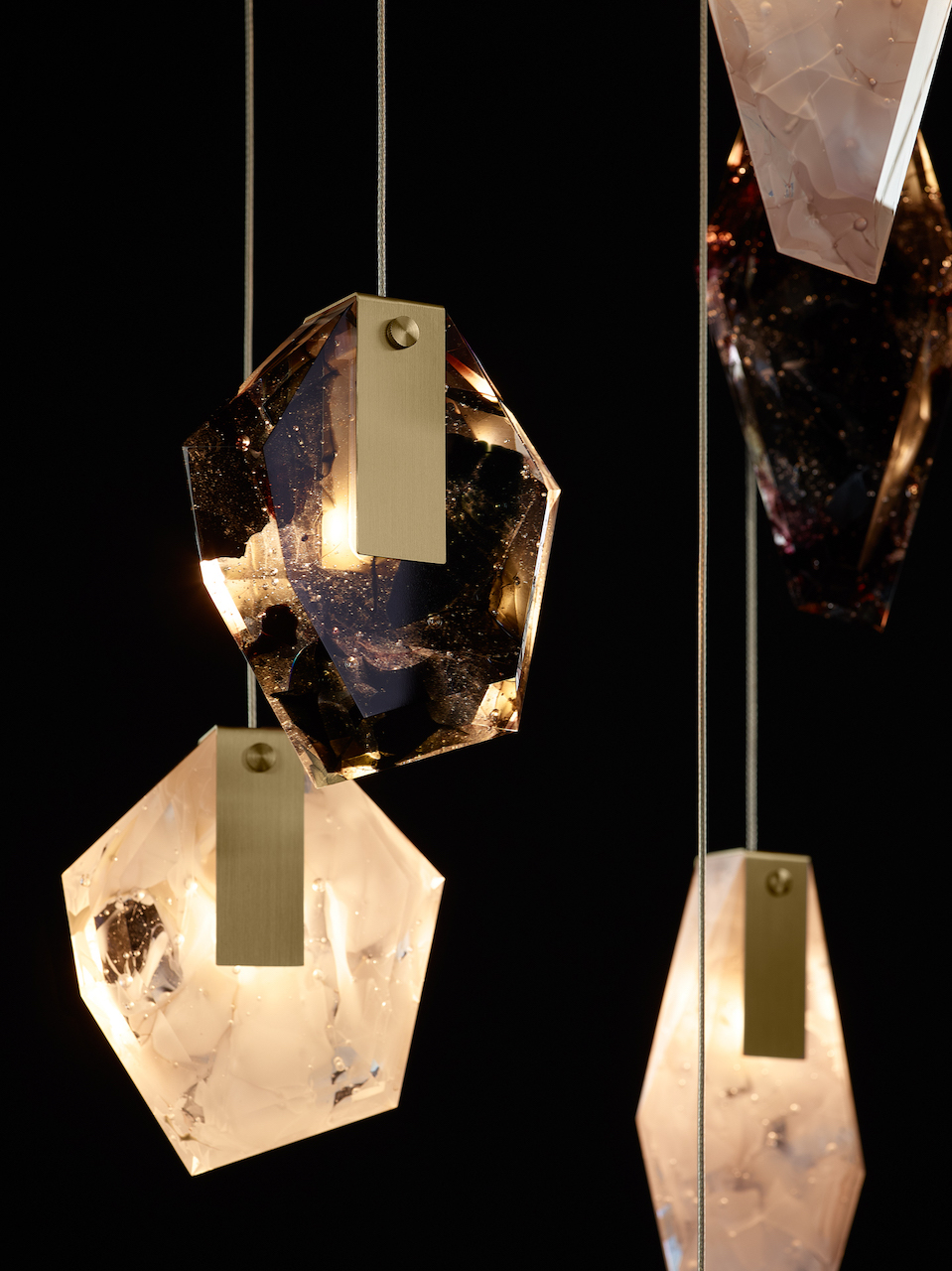
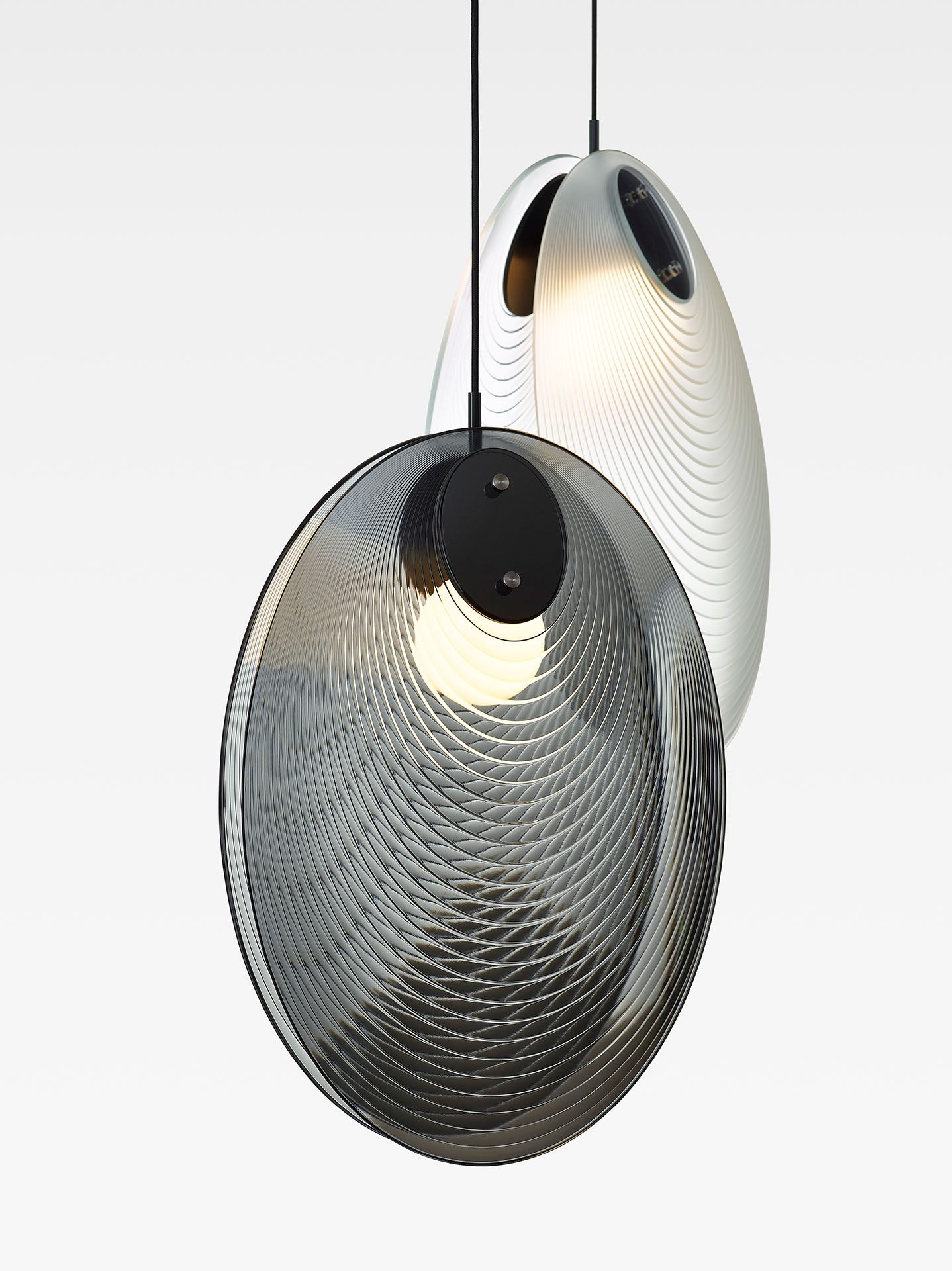
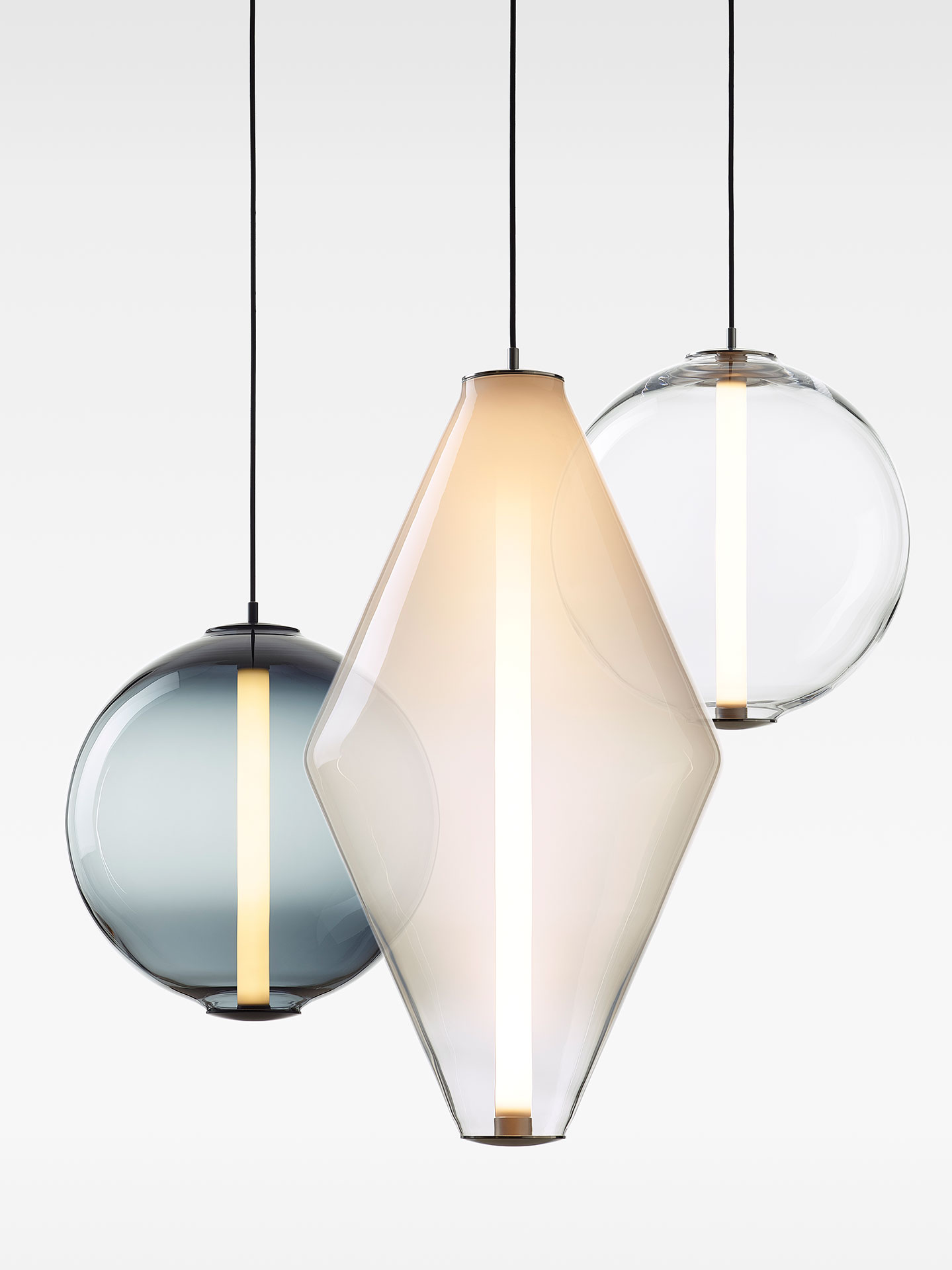


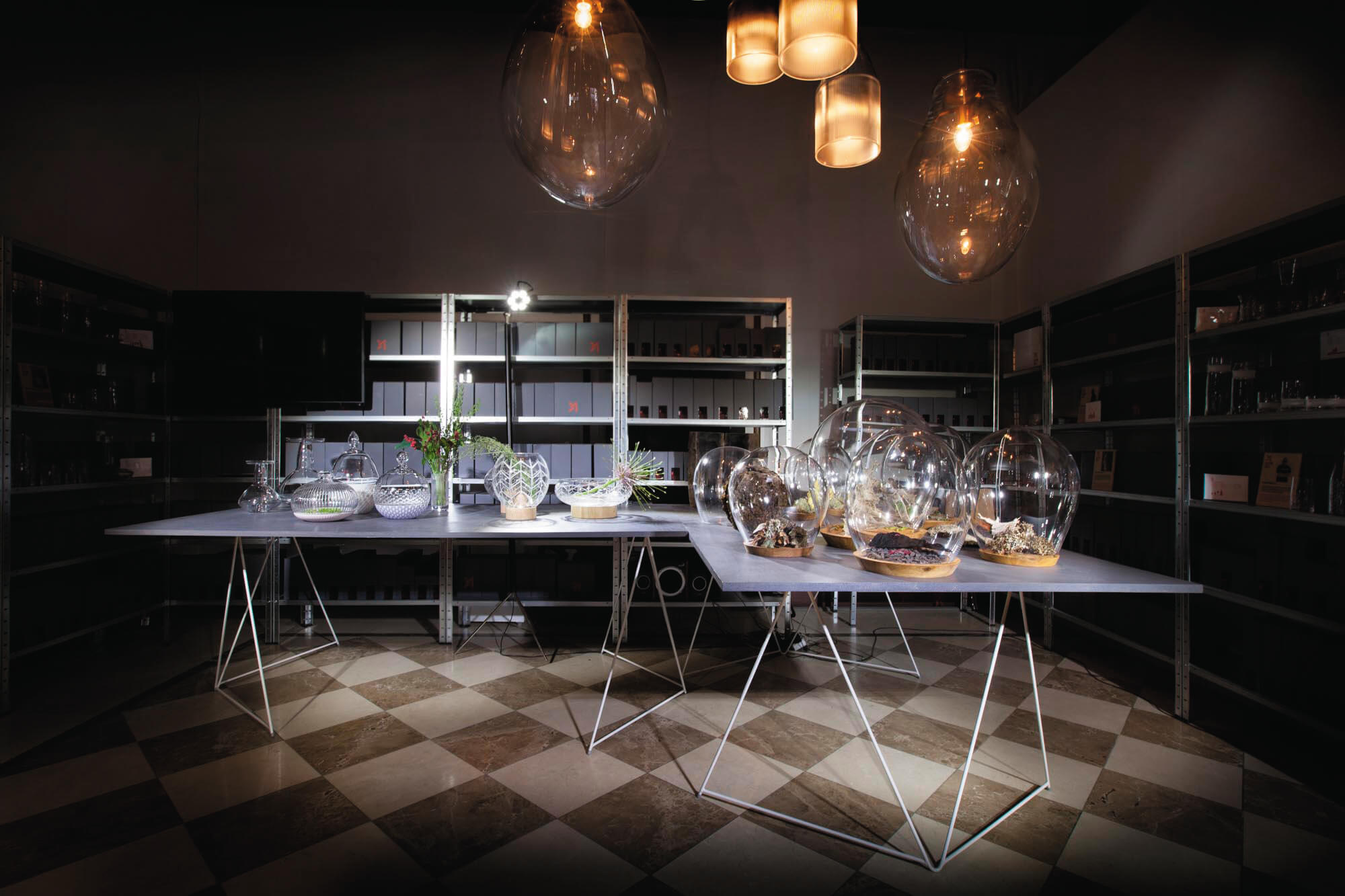
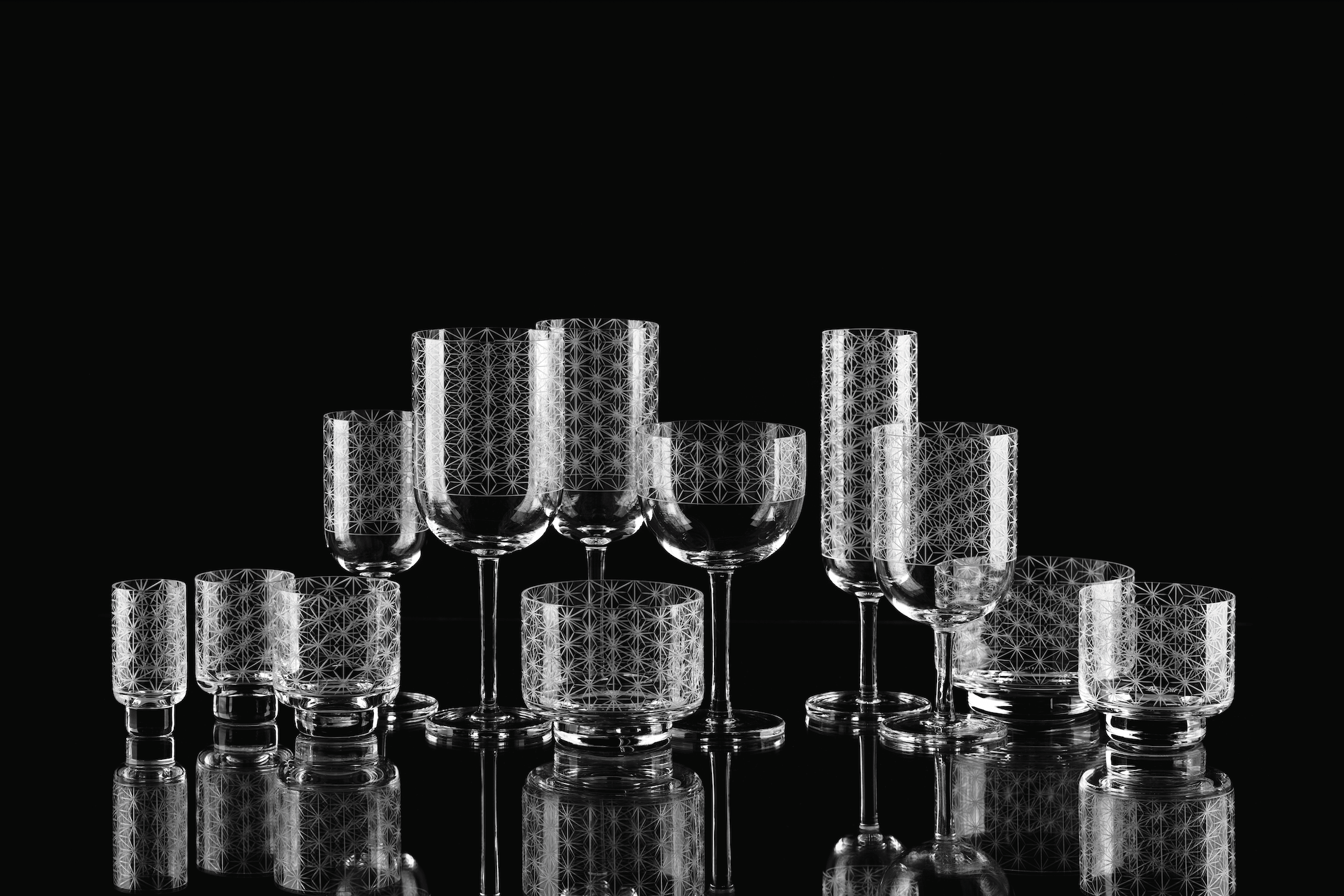
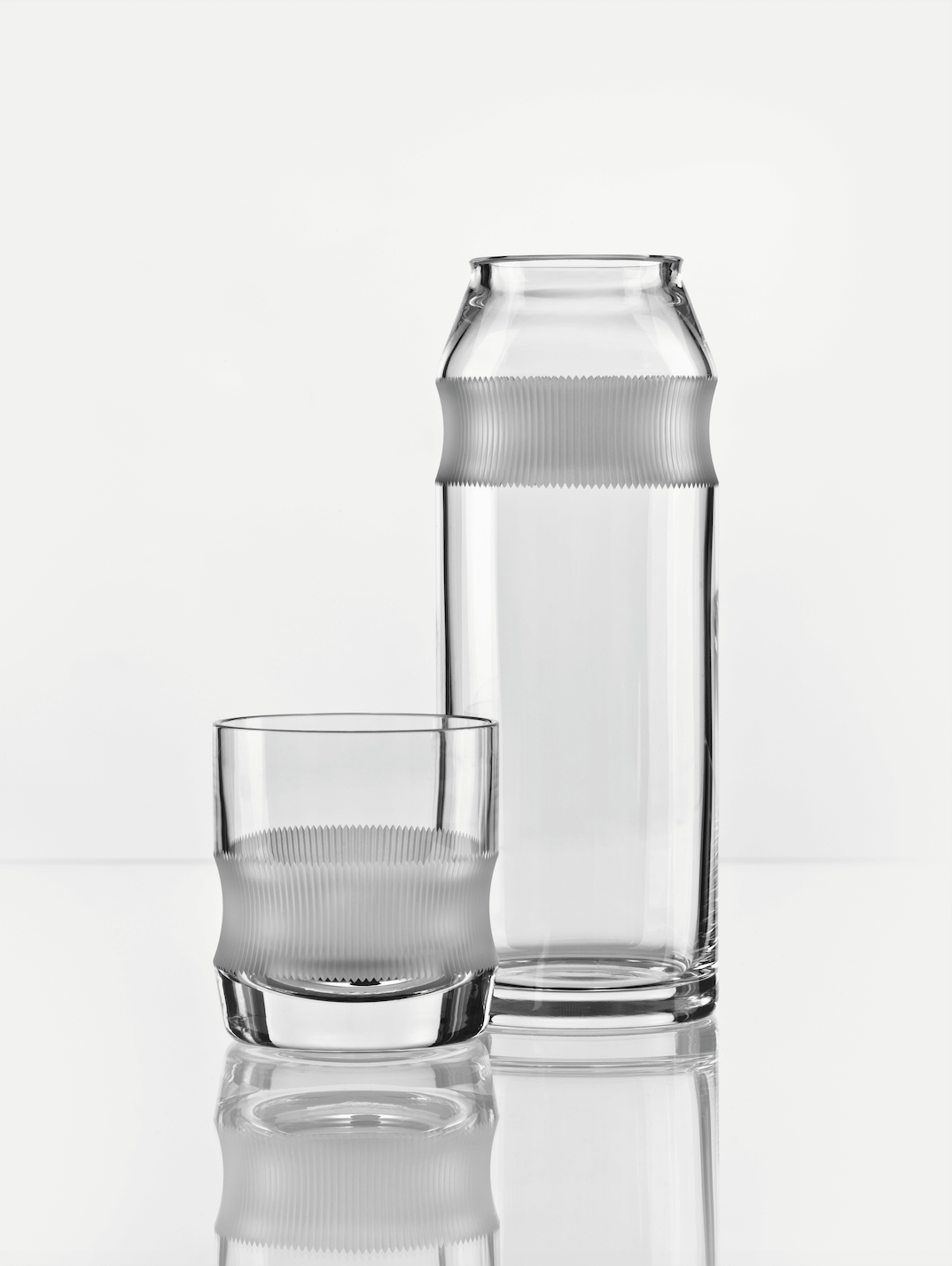
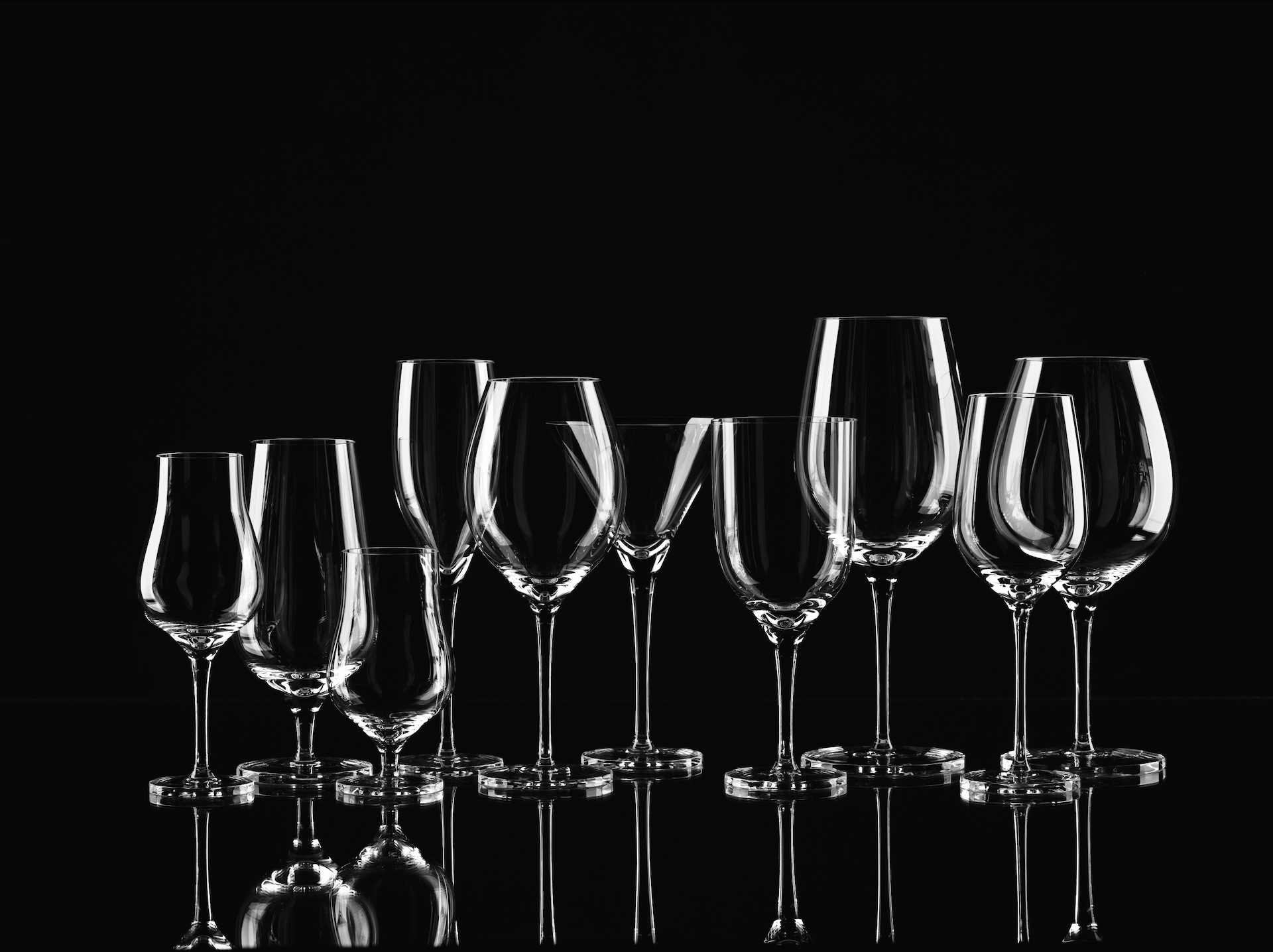
The Bomma glassworks are a fusion of two distinct phenomena, which have been resonating on the Czech design scene the most in the recent years. On the one hand, it is glass and the craft and know how unparalleled on the global scale and, on the other hand, light which, combined with glass and its color scale and structures results in extraordinary effects. With the arrival of the designers Jakub Pollág and Václav Mlynář, the brand has entered a new creative stage and a new course of its production. The last year's Light+Building fair in Frankfurt am Main thus saw – among other items – its brand new collections of lights developed for Bomma by the Dechem studio. First, it is the series Umbra, representing a certain metaphor of the age-old play of light and shadow as well as geometry. The second series, Dark & Bright Star, by the same authors immediately attracts attention by its exact form, precise cut and impressive solitaire nature. The Design Academy of the Czech Republic moreover appreciated the qualities of the Orbital collection by the deFORM studio, where the orbits of colored astronomical objects with their hypnotically glowing central cores served as the main sources of inspiration. The design appeal of the individual collections at the same time has rather positive impact on the aspect of export. The lights as well as the drinking glass by Bomma are thus today parts of not only renowned hotels and restaurants but also interiors of hi-end private residencies worldwide.
David Kalista


When the entrepreneur Jiří Trtík was establishing the BOMMA brand in 2012, he saw it as an attempt to revive the secular glassmaking tradition in the village of Světlá. He employed the local, recently dismissed glassmakers and engineers and persuaded them to further develop the traditional methods of hand-blown glassmaking. At the same time, however, he invested in a new production line for pressed glass with ultramodern machines (delivered by the parent company Bohemia Machine), which brought the latest innovative technology that enables precise grinding of processed glass. This fusion of the old and the new is what gives BOMMA its unique position in the European market. The technology itself, however, does not guarantee continuous success, so BOMMA also smartly ventured into cooperation with both Czech and international designers of good repute, such as Olgoj Chorchoj, Maxim Velčovský, František Vízner, Rony Plesl and Arik Levy.
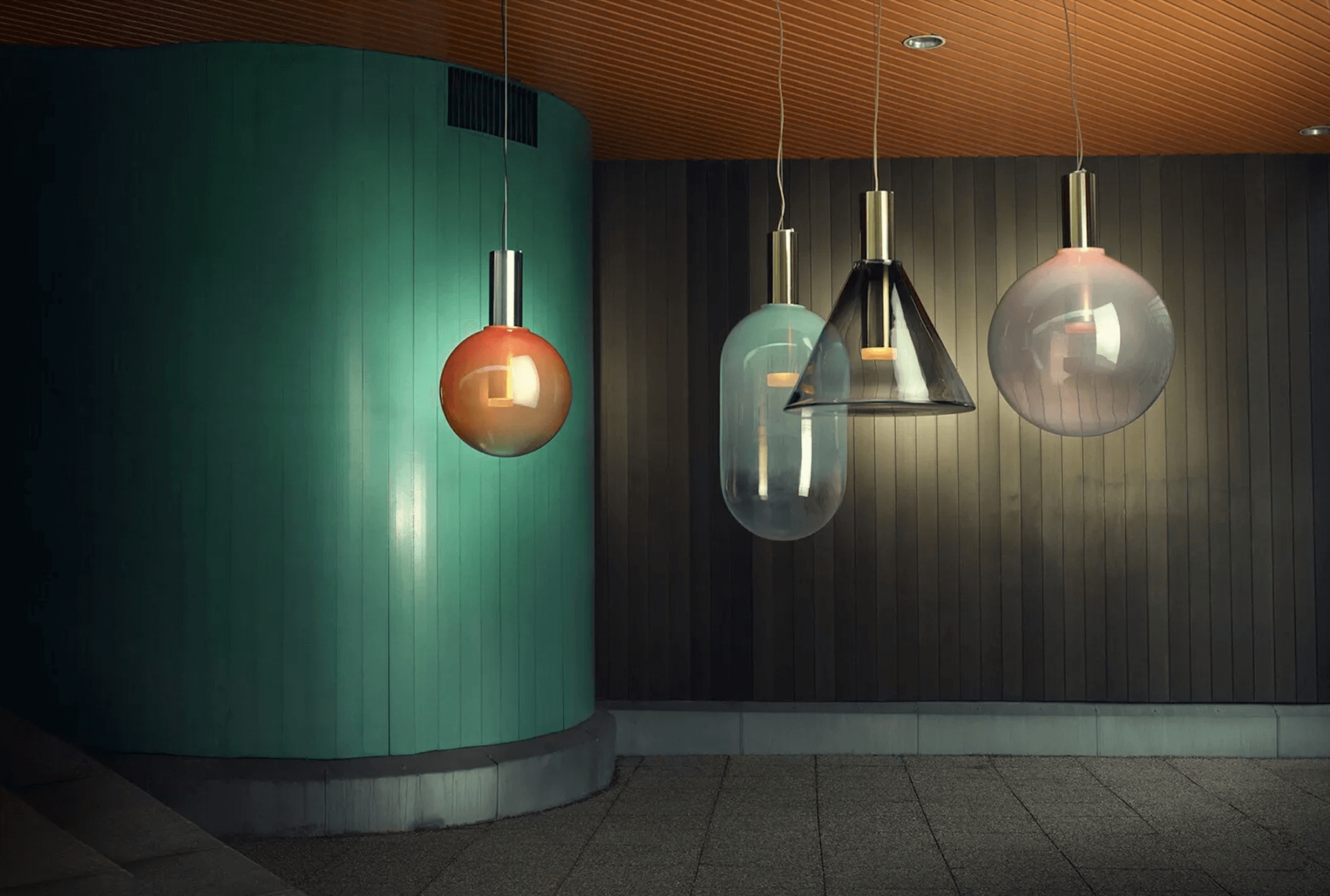
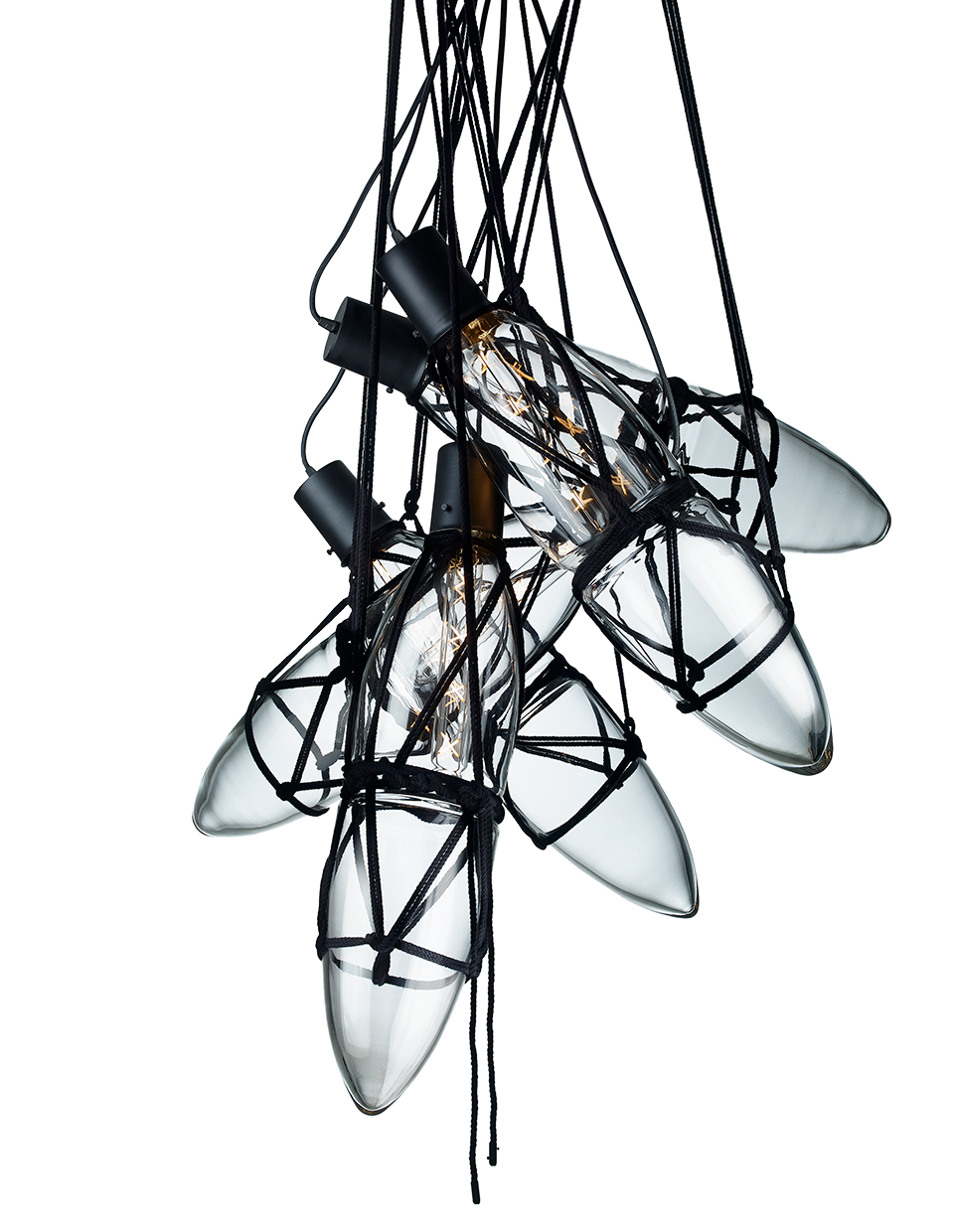
The company began writing a new chapter in 2015 when it presented not only sets of drinking and decorative glass, but also its new limited editions of large suspension lamps. Soon after, it definitely confirmed the expansion of its portfolio by founding the platform BOMMA Lighting, under which it exhibited the 2016-edition lights at the Paris fair Maison & Objet, as well as at Designblok in Prague. The launch was augmented by the unique PR photographs taken in the brutalist interiors of the Czech embassy in Berlin, built in the 1970s from the design by the Machonin couple. The collection includes the lighting objects called Phenomena, created by the Dechem studio, which adopted the basic geometric forms (sphere, cone and cylinder) and employ the ombré color effect, resulting in the impression that they are slowly dissolving in space, and thus following Platon's idea of unreal reflections of ideal forms. Other lights, called Soap, designed by the BOMMA head of development, Ota Svoboda, were inspired by soap bubbles and their changeability, achieved by metal-plating. The designers Jan Plecháč and Henry Wielgus went even further and "cast" glass Chinese (paper) lanterns. The Orient, after all, also served as inspiration for Kateřina Handlová, who explored the Japanese art of kinbaku and firmly tied the glass bodies of the Shibaru lights with the help of various loops and knots.
Danica Kovářová

"We're honoured to have been able to realise one of the designs he made in the last year of his life. At that time, he was more focused on drawing than carrying out physically demanding designs in the studio." Eva Kozarová, Marketing Manager, BOMMA
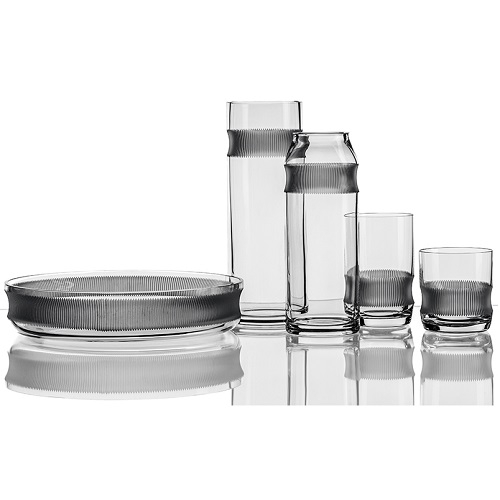
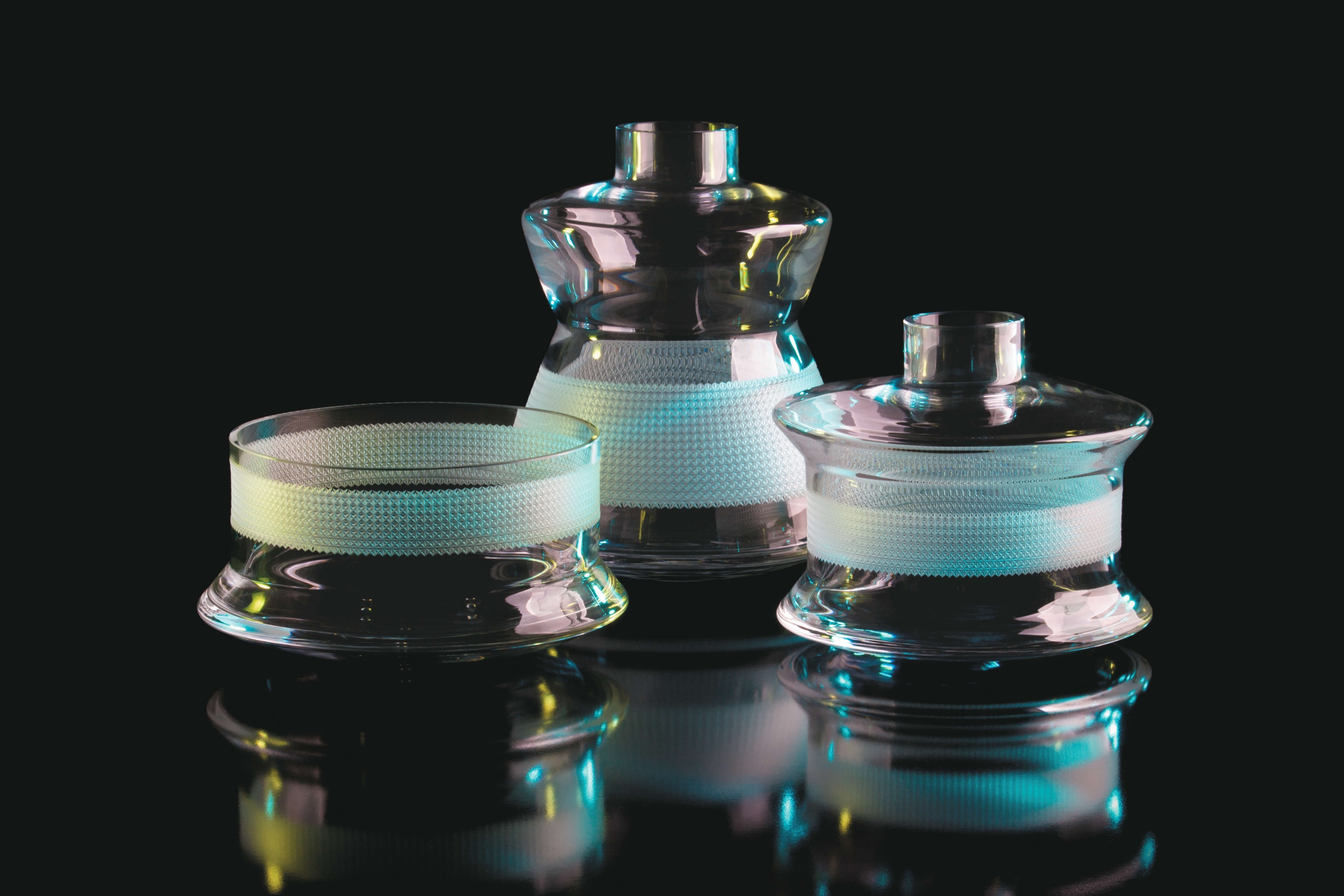
BOMMA glassworks started to produce glass products when the Czech glass- making industry was on the downturn. But in retrospect, that move seems to have been a good strategic decision. Instead of focusing on mass production – an area that has seen Czech production lose its competitive ability - the brand decided to concentrate on quality and the unique technology offered by the Jack cutting machine, the only robotic machine in the world superior to the human hand when it comes to precision glass cutting. In 2010, renowned Czech glassmaker and designer František Vízner used this technology for his debut collection of beverage glasses in a range of elegant shapes and delicate cuts designed for BOMMA (then known as Bohemia Machine). Sadly it was to be Vízner's final project before the legendary glass designer passed away in 2011. The collaboration with Vízner was the right decision for BOMMA – with Olgoj Chorchoj as creative directors – since the world-renowned designer knew how to expertly adjust products to meet user needs without compromising on aesthetic quality. His work is exhibited at the Metropolitan Museum of Art in New York, the National Museum of Modern Art in Tokyo, the Victoria and Albert Museum in London and the Musée des Arts Décoratifs in Paris – an impressive list indeed. Over the years, he tested various glassmaking methods and successfully experimented with glass applications in architecture (see the wall cladding at Karlovo náměstí metro station). He created perfectly symmetrical and almost hypnotically flawless objects that showcase his minimalist tendencies. The same can be said about the limited collection of vases and bowls made from lead glass with which BOMMA expands its 2010 set – but in keeping with the original design. BOMMA is nominated for the Czech Grand Design Award for this attractive "update" project.
David Kalista