3
Producer of the Year
Plastia


They produce ordinary things. Flowerpots, window and other flower boxes, watering cans, but also cemetery vases. Simply put, things which make people's lives better and easier. This is also the case with the design of the vermicomposter and the tall cultivation container from the UrbAlive line, designed for Plastia by Professor Jiří Pelcl and his colleague David Crla "under the supervision of the Kokoza charitable trust.
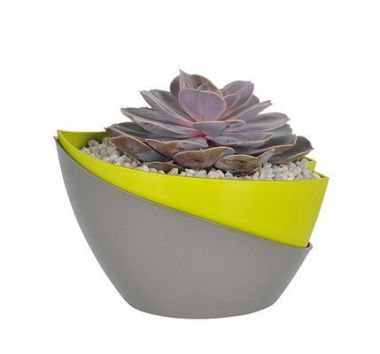
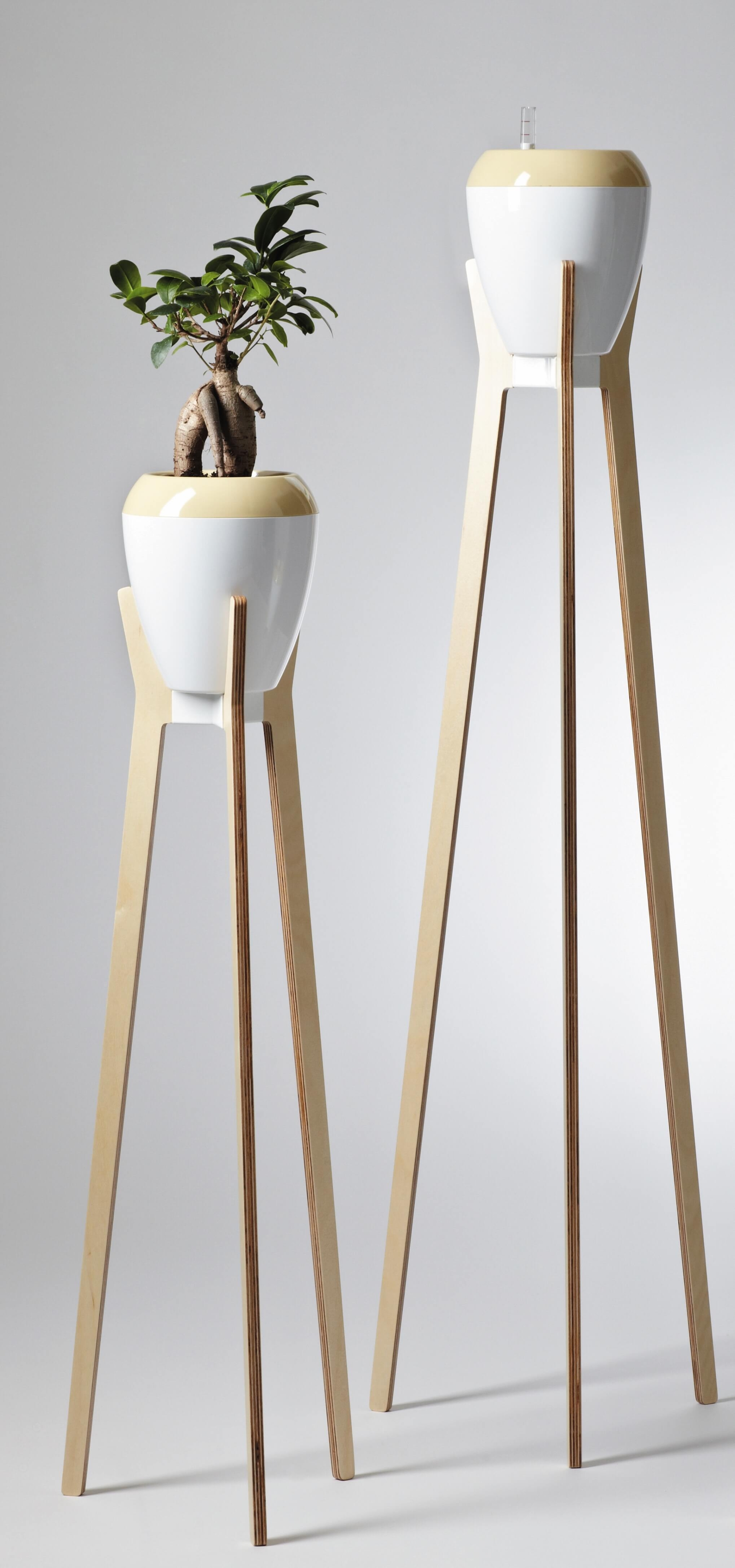
The Plastia family company, literally established in a garage in 1993 by the textile designer Lenka Novotná and her husband, a forest engineer, worked its way towards its current focus on design step by step. In recent years, however, with its approximately one hundred employees, it has become a respectable implementer as well. as promoter of the so-called design thinking by Ideo - a creative approach to company processes and to generating ideas and innovations, and also the approach called work-life balance, the latter having hitherto been very rare in the Czech lands. The result? Exports to more than 40 countries worldwide and the Red Dot Design Award for the self- irrigating flowerpot Calimera, which its designer Jan Čtvrtník mounted in the Baobab and Triangolo stands by the Boa studio. And it has also attained increasingly considerable successes abroad with other products.
The vermicomposter, which was originally to have been a tabouret for storing small gardening tools, eventually became an earthworms' realm which has attracted customers from as far as the United States, Scandinavia and Australia in 2016. This success is partly due to it having been presented at the Evolution and For Garden fairs. The container of solid matt plastic, sitting on massive wooden legs and equipped with a tap at the bottom for draining the liquid produced by the earthworms (i.e. high-quality organic manure used for cultivating both indoor and outdoor plants), may remind some of a saw-horse. But being well-designed and moreover affordable, it has opened a door to households - equally as to the hearts of customers from all over the world. Being able to compost one's own biological waste, and moreover in equipment so attractive that it is a feast for the eyes, is truly unbelievable. Just imagine that half a kilogram of earthworms can consume about 250 grams of waste a day, which is about the amount thrown away daily by a family of four!
Alena Řezníčková