1
Fashion Designer of the Year
Lenka Vacková

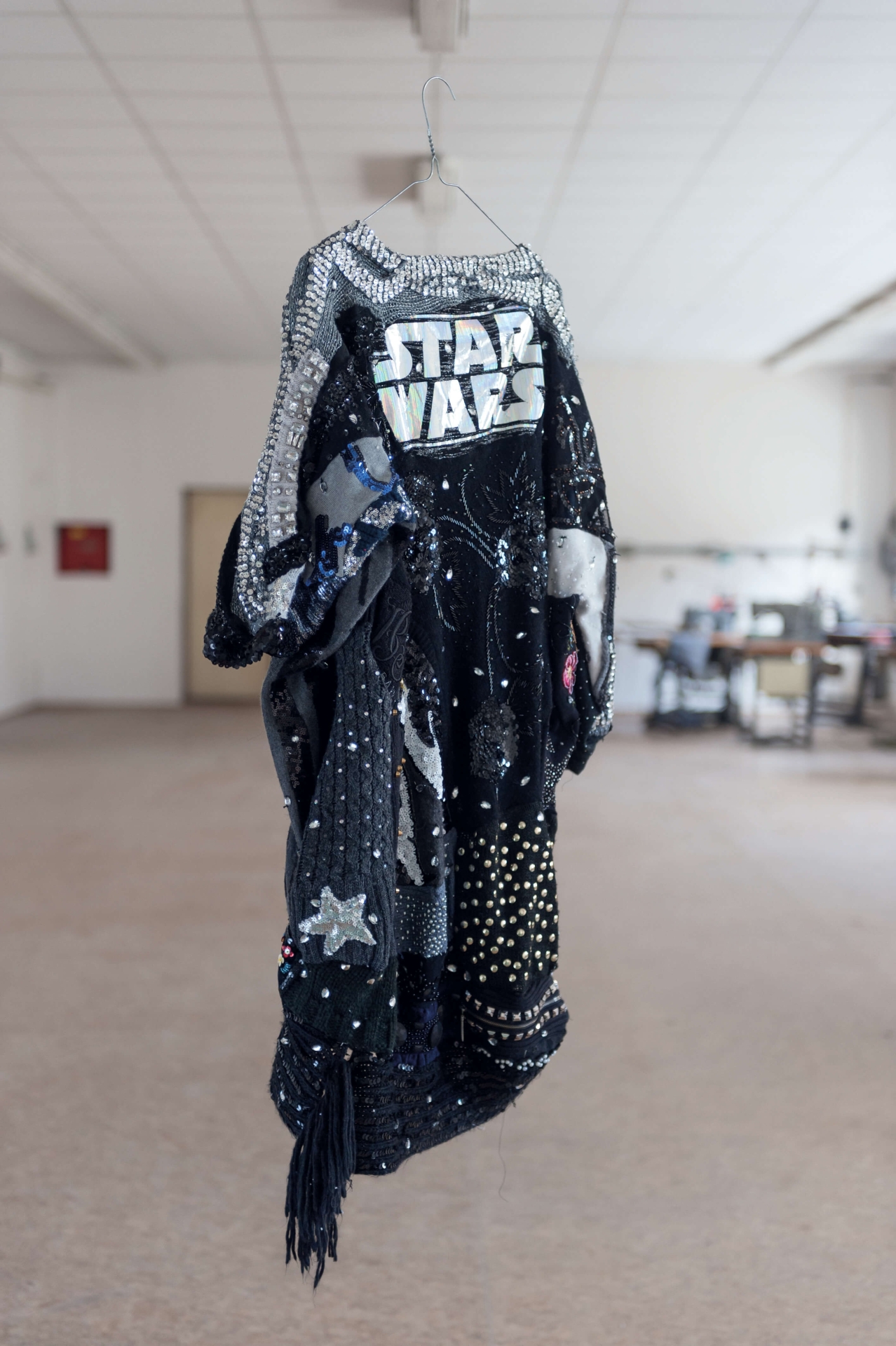
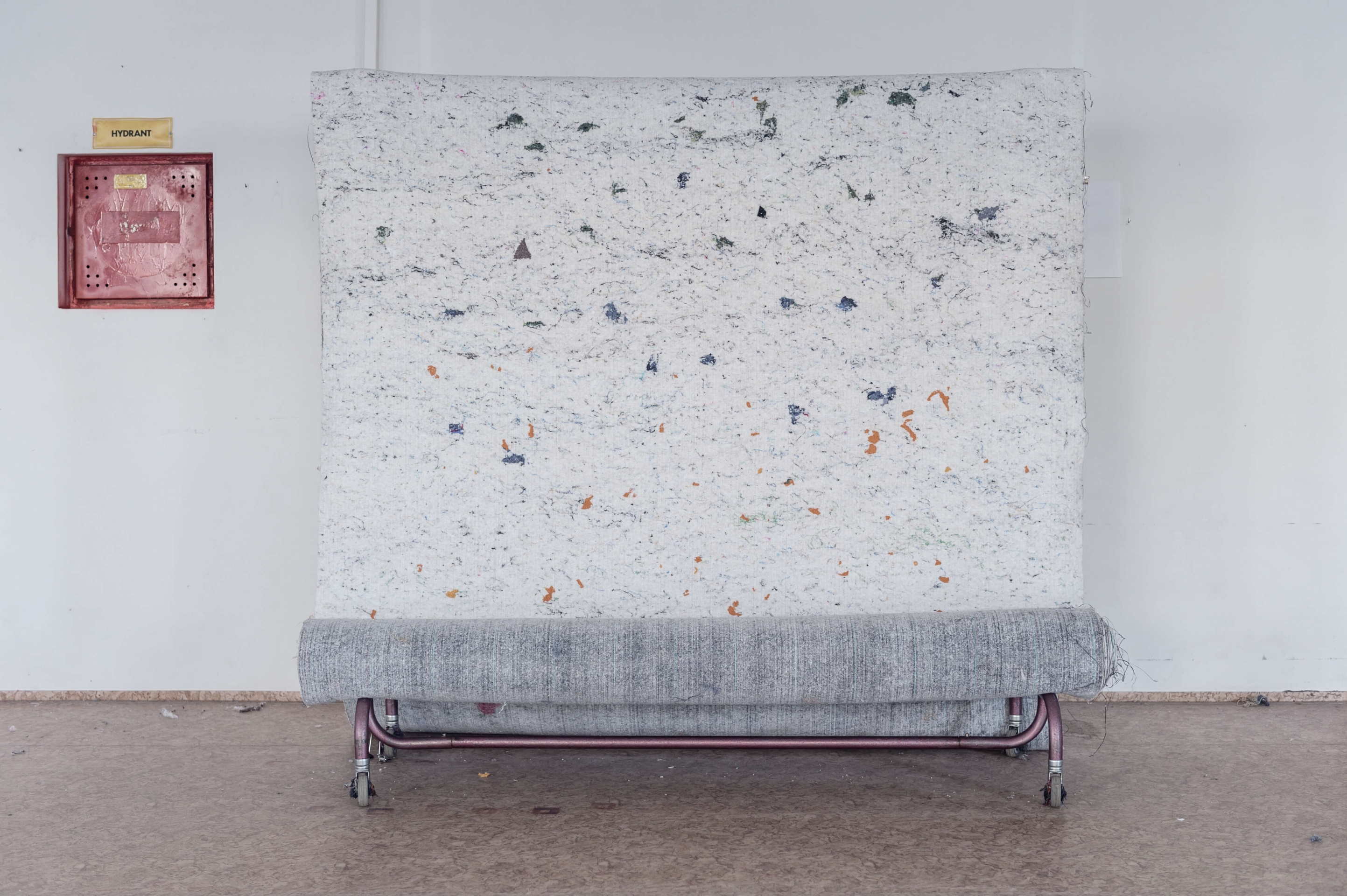
Having freshly graduated from Liběna Rochová's Studio of Clothing and Footwear Design, Lenka Vacková began seeking ways to cope with the burden her profession places on the environment, and decided to explore the potential of recycled textiles. She created her diploma thesis in cooperation with the Klatex company where she began working soon after graduating as the first designer in its history. In Klatex, the recycled, unwoven textile is made by de-fibering cut material of clean textile waste, which thus does not end up in garbage dumps or incinerators, and is put back into circulation. It is used in the form of separation, sound and thermal insulation and also for textile and upholstering insulation and filling material. The material, which is not sorted according to colors, however, always results in an uninviting grey, industrial fabrics and, for example, wool, cotton or silk – natural materials of precious origin today – are thus degraded by the admixture of polyester and other synthetic materials. This is why Vacková tries to make the recycled material more attractive, sorting it according to color, changing the composition and transforming the waste to both interior and fashion accessories.
Her diploma work included rather spectacular, richly decorated and embroidered one-piece dresses "for princesses", but also purses and even a yoga mat. All the used materials came from waste sources intended for recycling, or materials and agents found by either Lenka or Klatex in the unexploited supplies from the past. Her conceptual approach splendidly capitalizes on the experiences gained during her scholarship in the multifunctional studio of the Danish designer Henrik Vibskov.
Tereza Kozlová