Graphic Designer of the Year
Studio Marvil (Olga Hesounová, Vojtěch Vavřín, Jiří Karásek)
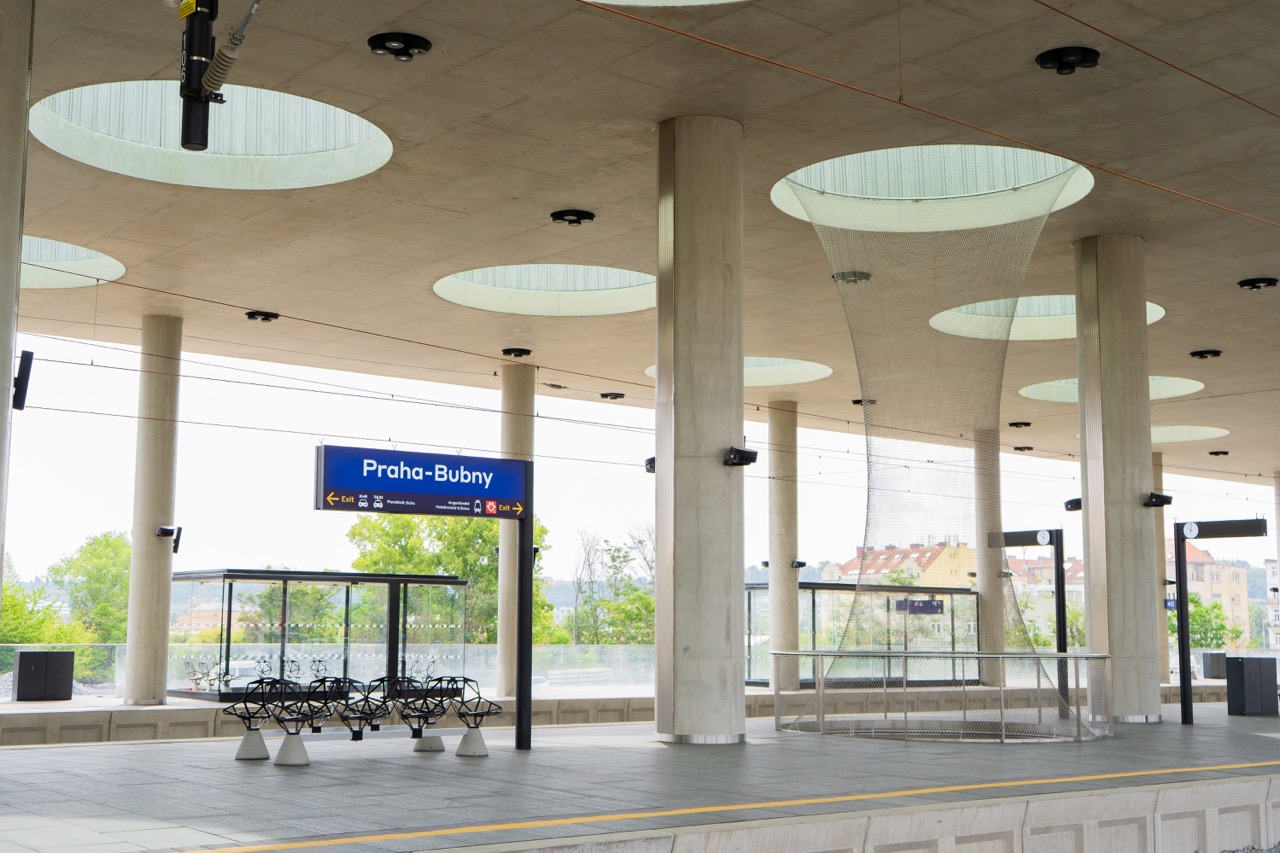
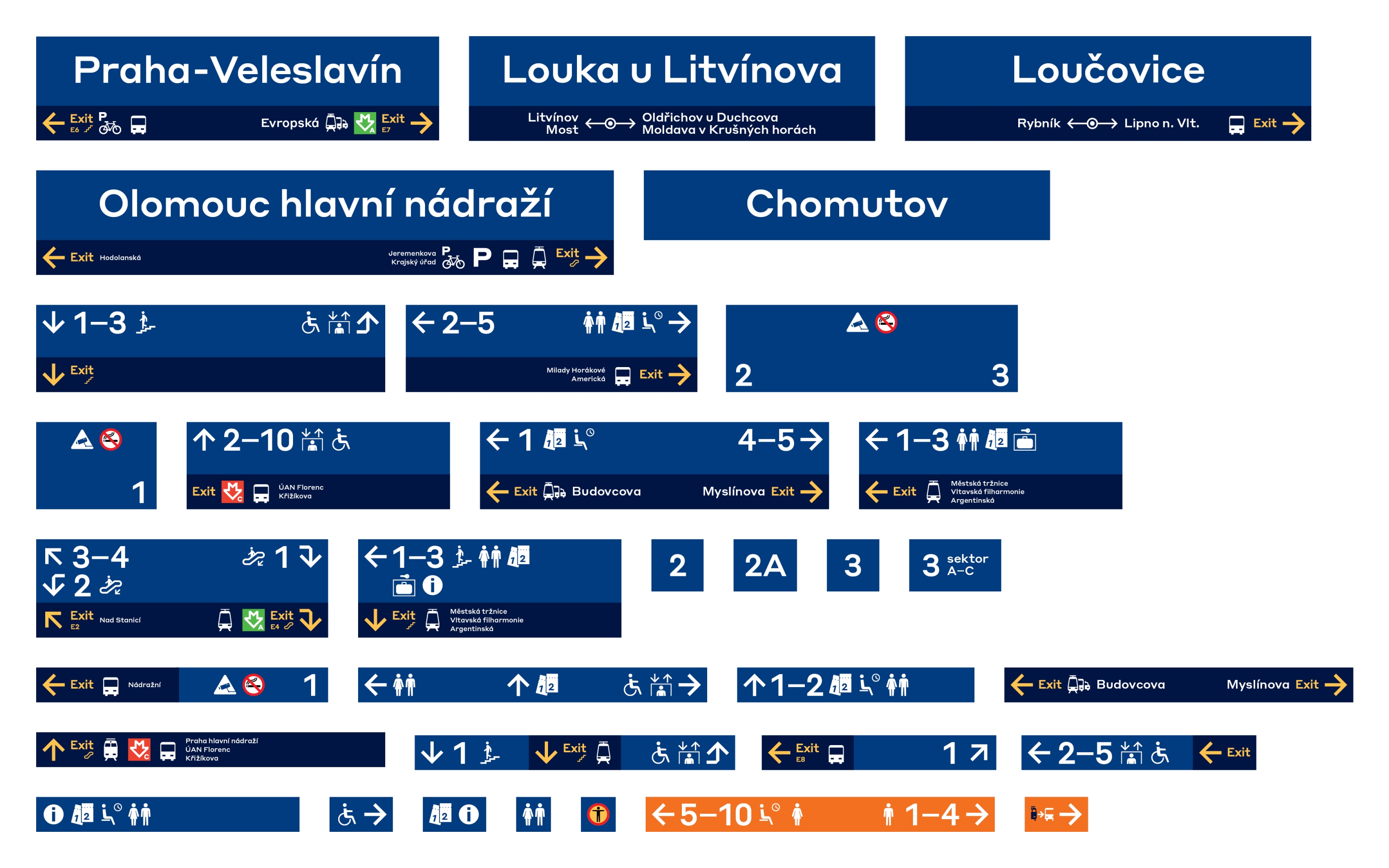
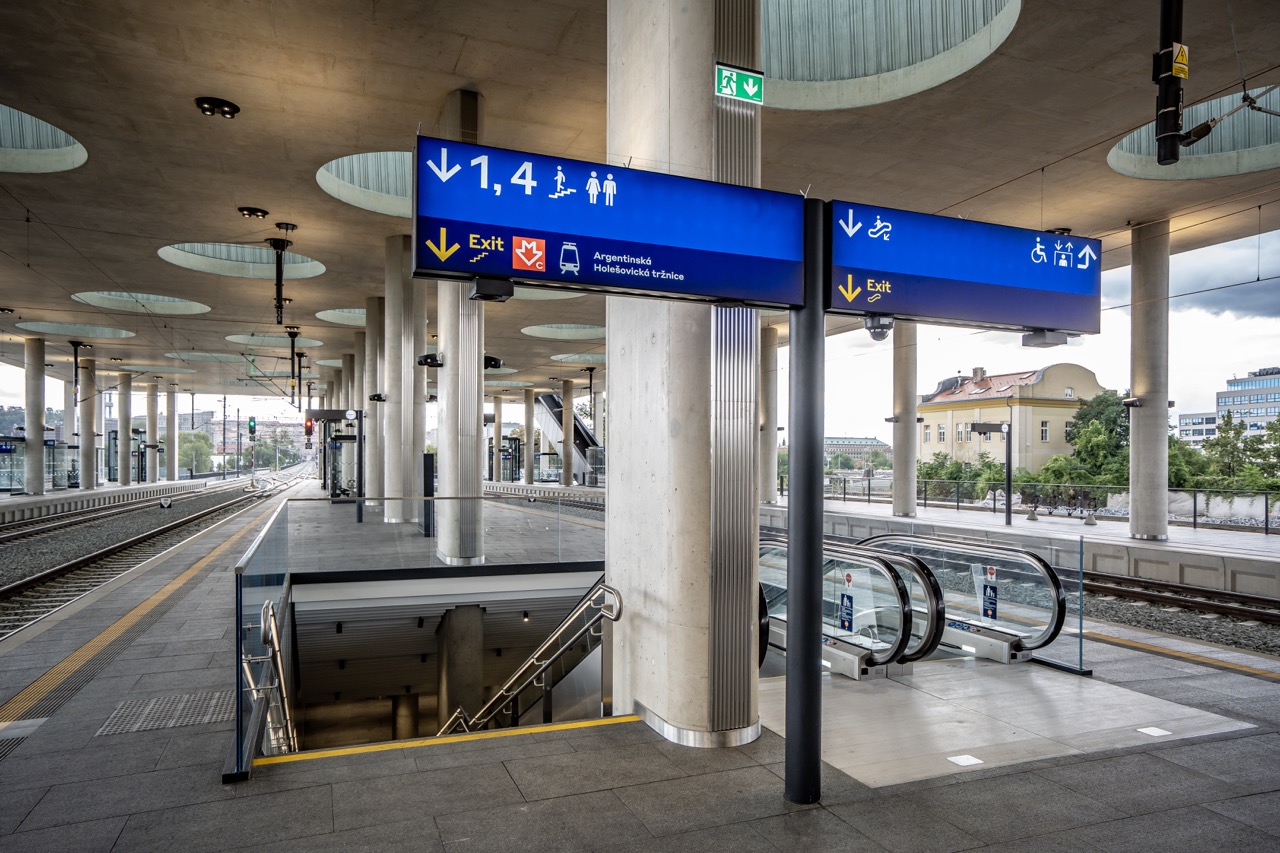
The Prague-based Studio Marvil has often been included in nominations for the Czech Grand Design Awards, and the expert jury has now decided to recognize two of their projects realized in 2025. Apart from the visual identity for Prague Castle, the jury also noted the Orientation and Information System for Správa železnic (SŽDC). Whether they are working on the identity of a dignified institution or a user-focused orientation system, Studio Marvil has repeatedly proven their top-notch skills across diverse fields.
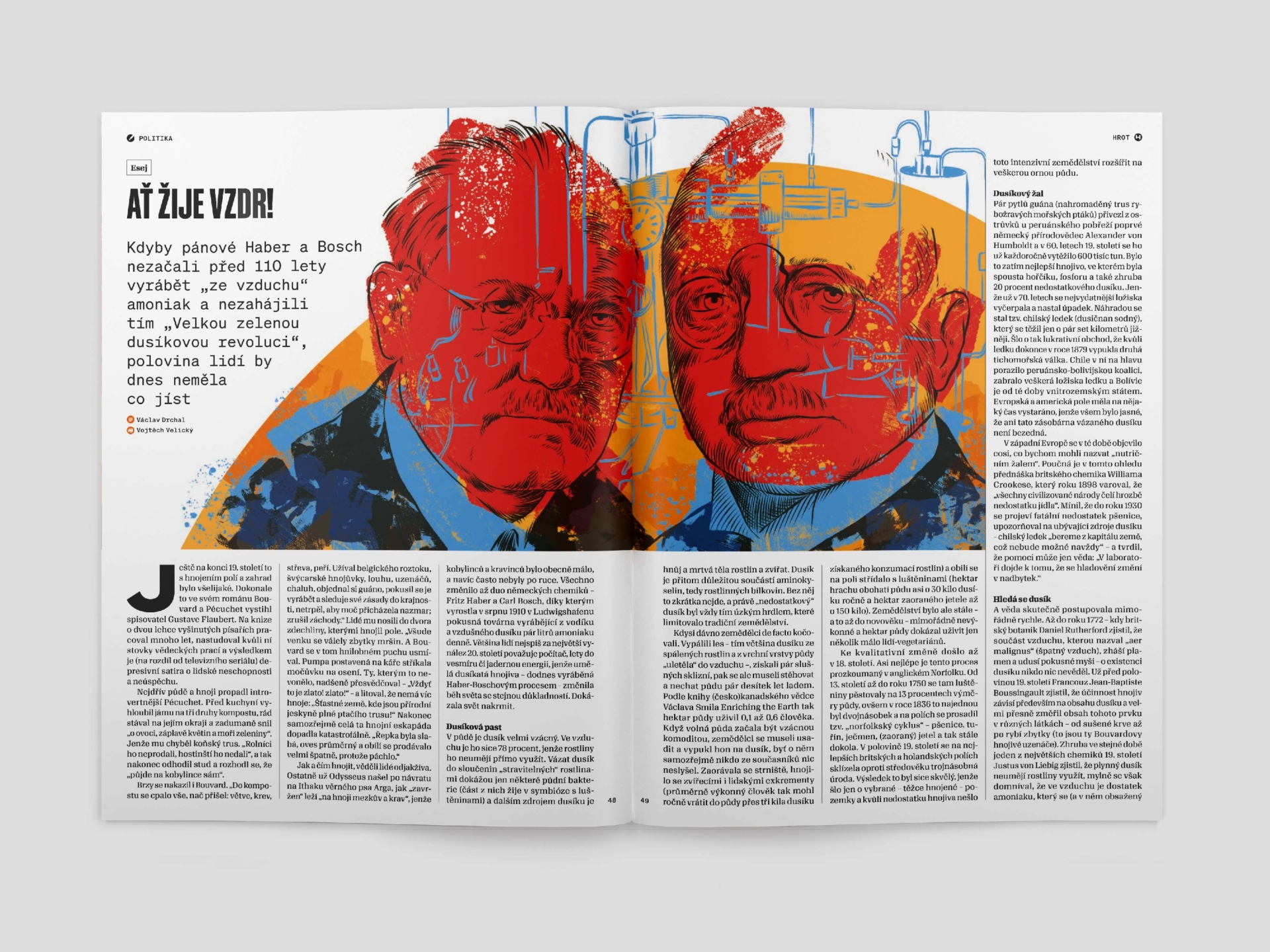
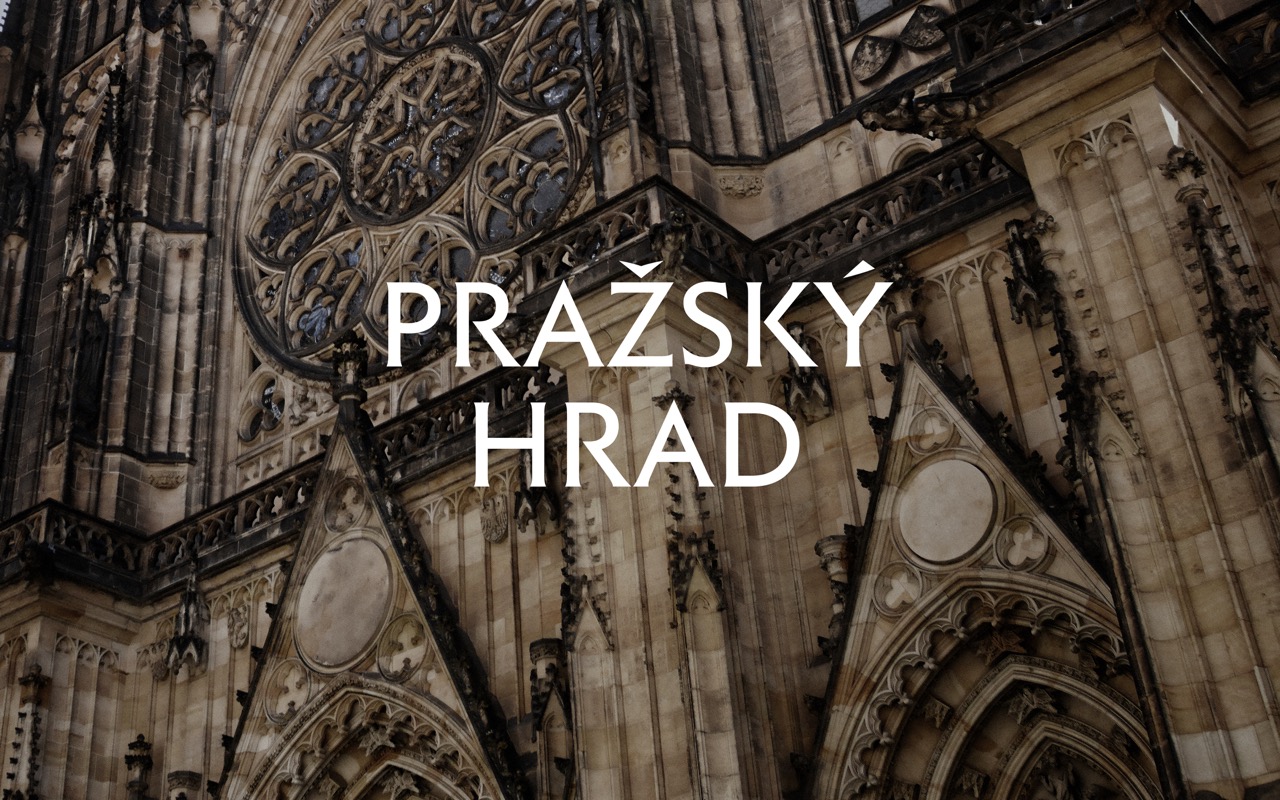
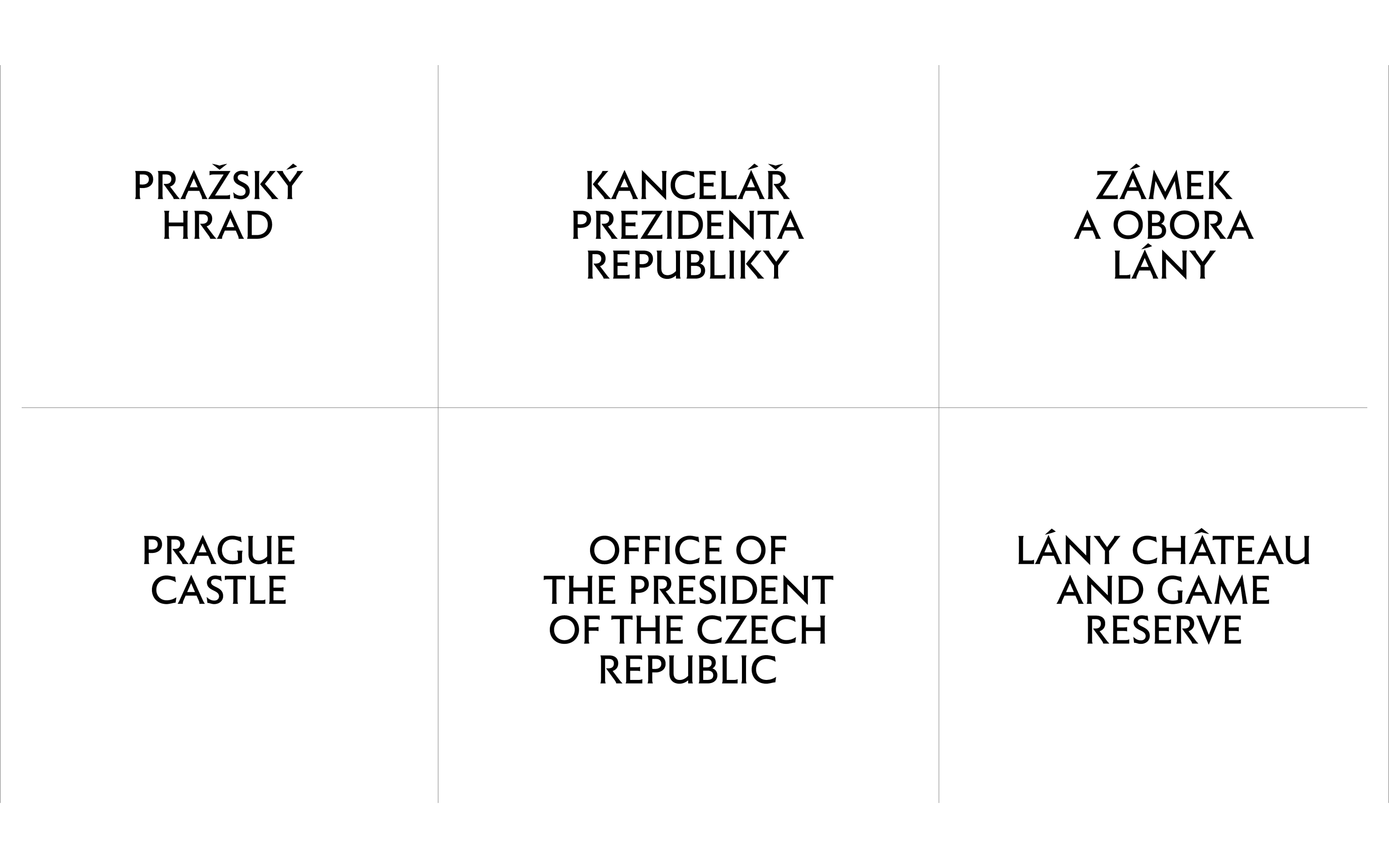
They developed the visual identity of Prague Castle based on an open call organized by the Czechdesign organization. The winning proposal is based around the Hrad display typeface designed by typographer Matyáš Machatan which aims to connect the visual communication of three subjects – Prague Castle, The Office of the President of the Czech Republic, and The Lány Chateau.
“The main feature of the new identity is the typeface. It is elegant, dignified and expressive while balancing on the fine edge between historical legacy and contemporary style,” says Filip Blažek, typographer and the expert consultant for the Czechdesign competition.
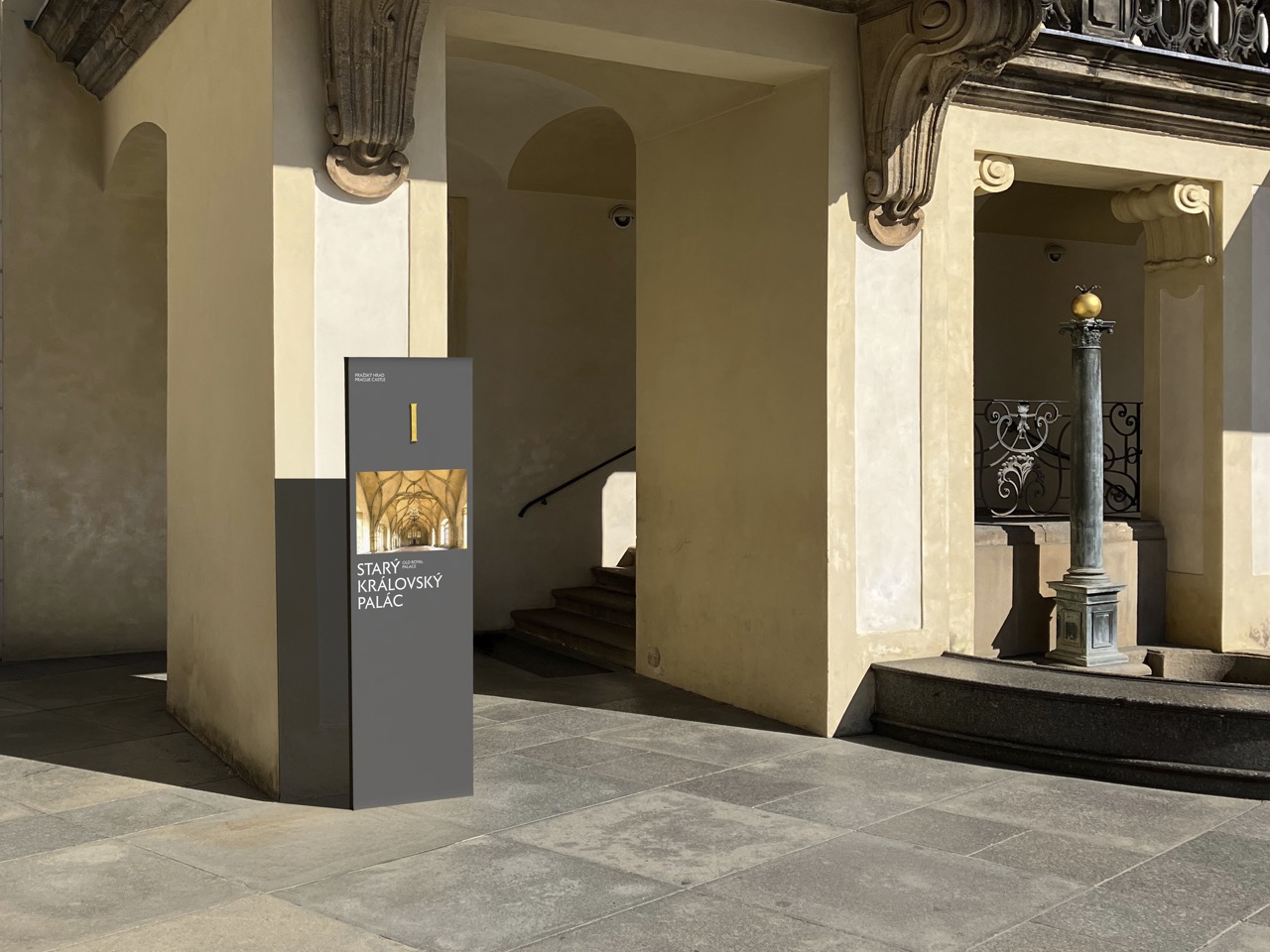
This expressive and unique typeface works perfectly for a diverse spectrum of outcomes, whether they be important official documents and diplomatic correspondence, information signs around the Castle complex or communication materials for cultural events and online channels. The minimalist and confident visual style for Prague Castle unifies these communications and builds a positive image for this institution both at home and abroad. It also helps limit visual smog and promotes the aesthetic quality of public space in this significant tourist destination.
The Orientation System for Správa Železnic was developed in close collaboration between architects, designers and other experts, taking more than two years to complete. Studio Marvil has picked up on their former collaboration with SŽDC for which they developed a new visual identity in 2017. Such a complex task was supposed to visually unify individual stations as well as make users more confident in the often disorienting environment of train stations.
“The main shift is in the underlying approach. Our system divides the travelers into two basic groups – those departing and those arriving. For those departing, we provide signs with a light blue background, while we opted for dark blue for the arrivals. Using two colors on a single sign format uses up less space and provides more information while reducing the overall number of signs. Thanks to this, we have reduced five signs fastened to four pillars to a single sign, thus streamlining the entire space of arrival/departure halls and train platforms,” says Olga Hesounová for the Czechdesign website.
From the perspective of UX design, the SŽDC project has been nothing short of inspirational. Such complex tasks require a very systematic approach and a creative method that is sensitive to the needs and requirements of the particular space and its users. Similarly to the recently acclaimed Legible Prague project, we hope this work will also further motivate the cultivation of aesthetic and user experience in public space.
Kateřina Přidalová