2021
Graphic Designer of the Year
Kristýna Kulíková
Graphic Designer of the Year
Kristýna Kulíková
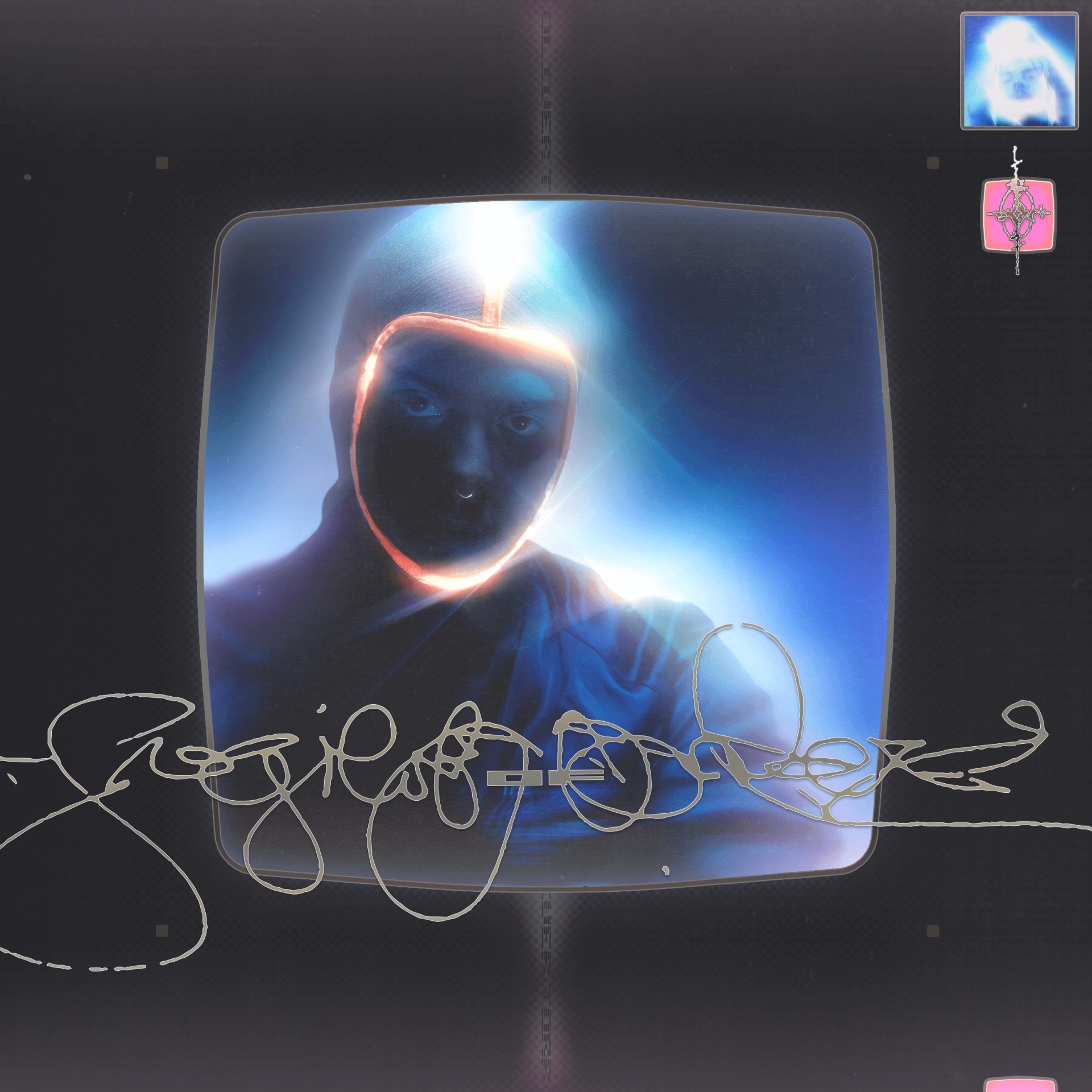
visual identity for the album Fragility of Context (Oliver Torr)
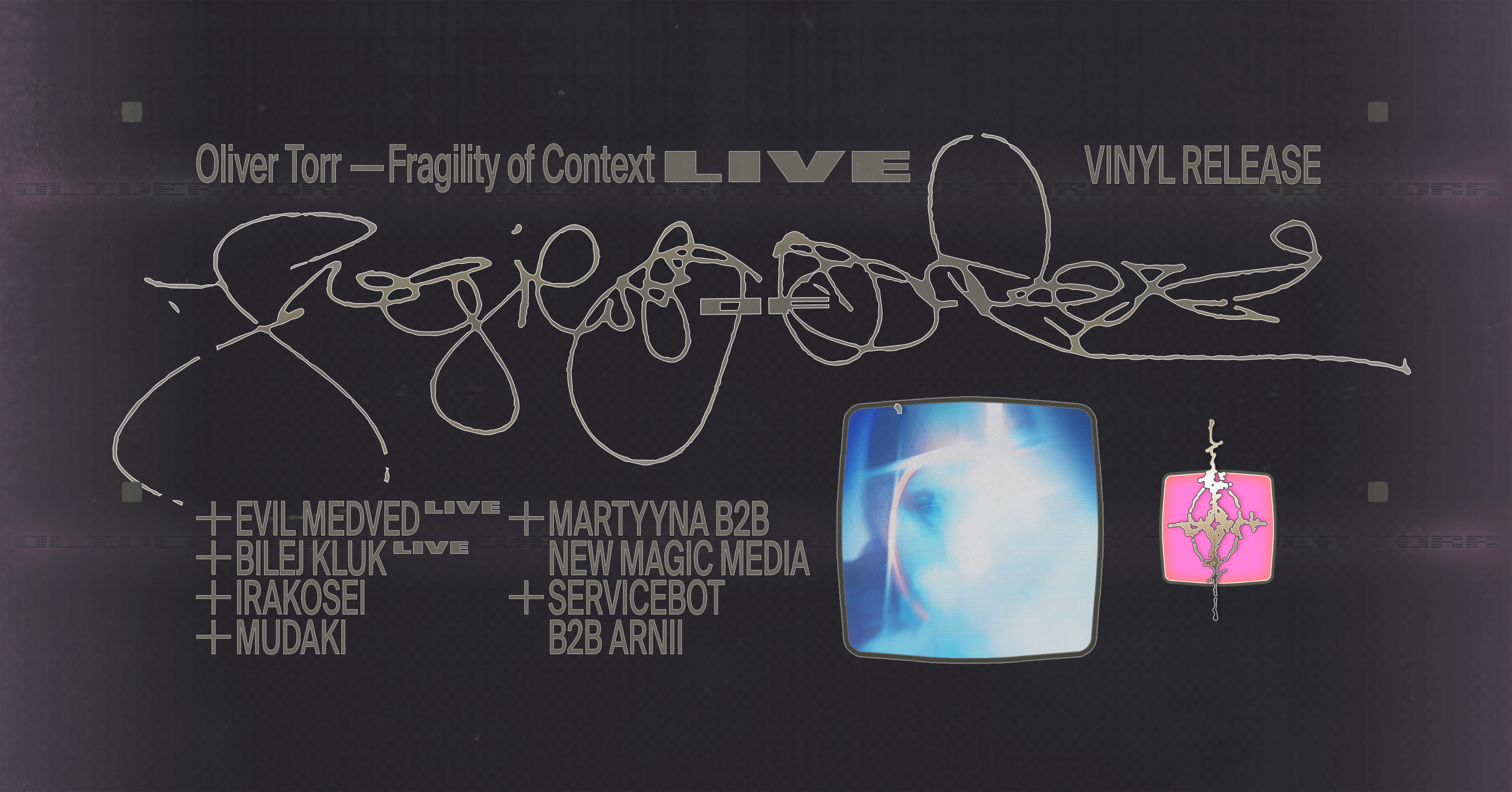


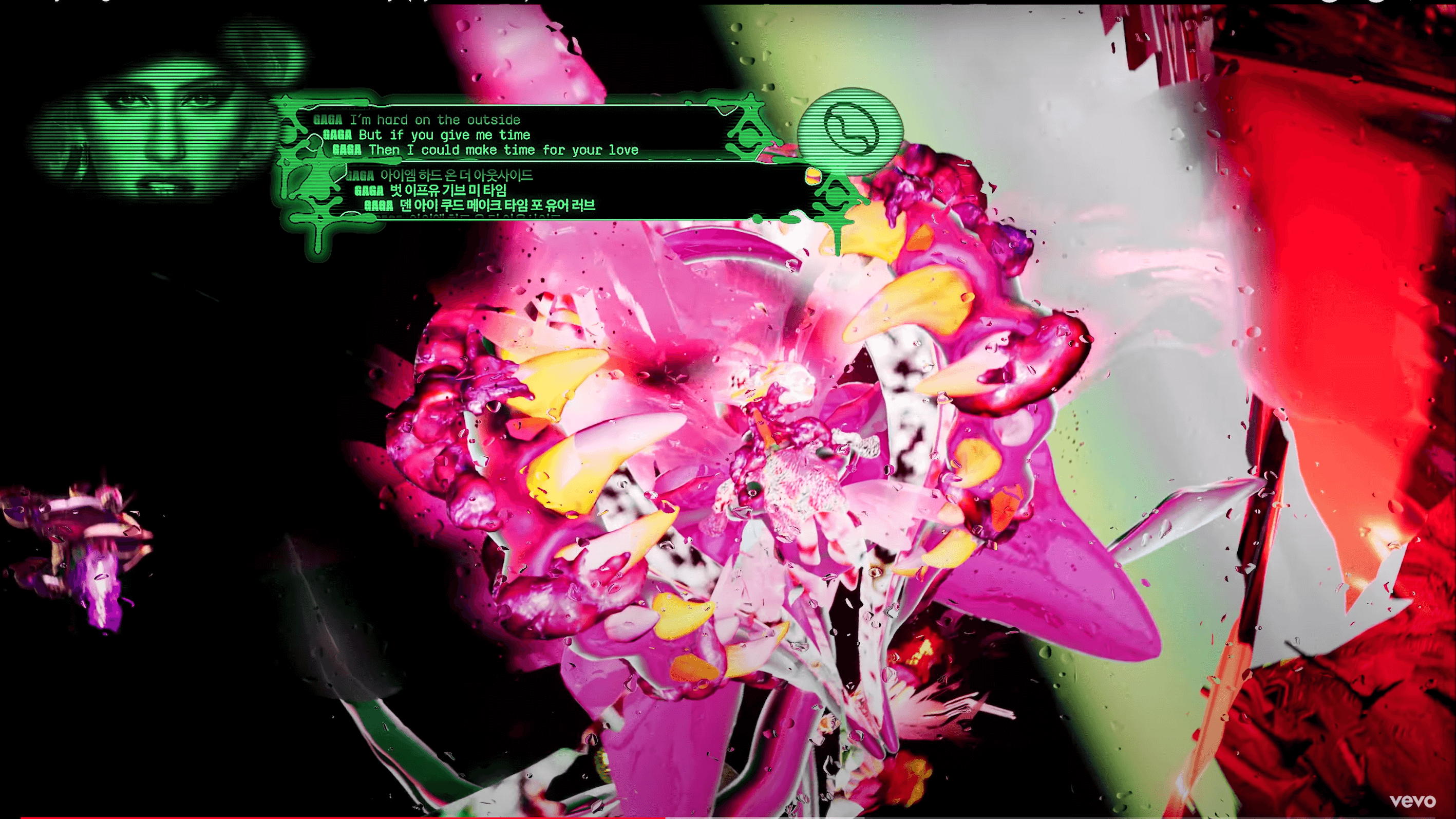


Kristýna Kulíková is a young graphic designer (born 1995, currently a student at the Faculty of Fine Arts, Brno University of Technology) and a VJ who first attracted attention with a series of conspicuous posters for music productions – the Medicine and the DJ and producer of Malaysian origin, Tzusing (and also, for example, for the Cabinet of Muses and the Fléda club in Brno and the club of the Film and TV School of the Academy of Performing Arts in Prague) – as well as for the 209 Gallery at the Brno Faculty of Fine Arts. She has long been cooperating with the Anymade Studio and Bastl Instruments and spent the past six months on a scholarship in the Viennese Studio Es, with which she still cooperates. Her approach to digital objects and digital images and script is based on speculation and a futuristic vision. Contrary to the modernist tradition, seeking the ideal of pure message via the aesthetics of signs, observers of the posters designed by Kulíková find themselves in an artificial and cold digital world. It is characteristic of a technologically mirroring of images of reality, images of faces and bodies (see WorkCore or the poster for the rapper Riff Raff), morphed objects, and iconic pop-culture images, as well as symbols of community iconographies. One of the main features of objects in the digital world is their liquidity, which is why they can endlessly spill back and forth between each other. Everything that exists in this jungle grows from the options of program utilities, and from the artist's emotional engagement. Even the musical and digital subcultures she is part of are interlinked by a global network. This is proved by the series of posters commissioned from Kulíková by the producer and DJ Tzusing, based in Taipei and Chenghai, for his Asian tour and concerts in clubs in Chengdu and Shenzen.
Kristýna Kulíková's approach does not only overlay the service function of design as the mediator of information; she overlays it with a layer of formal experiments and speculations – the main subject of which becomes the movability of the border between "virtual" reality and both animate and inanimate nature. Here, the traditional boundaries between applied and free arts are simply and and straightforwardly ignored by a speculative approach, characteristic of the culture during the post-humanist era.
Vít Havránek