2
Fashion Designer of the Year
Hana Valtová


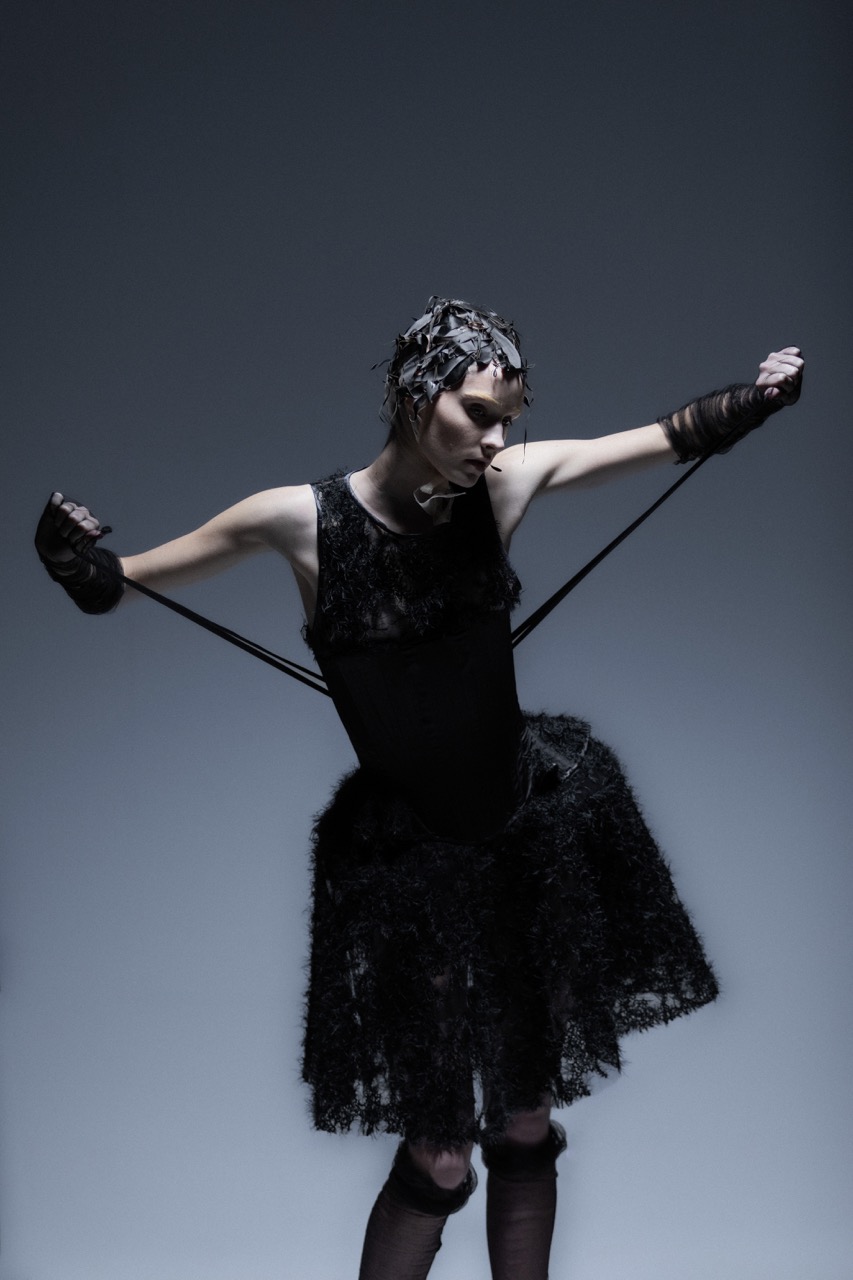
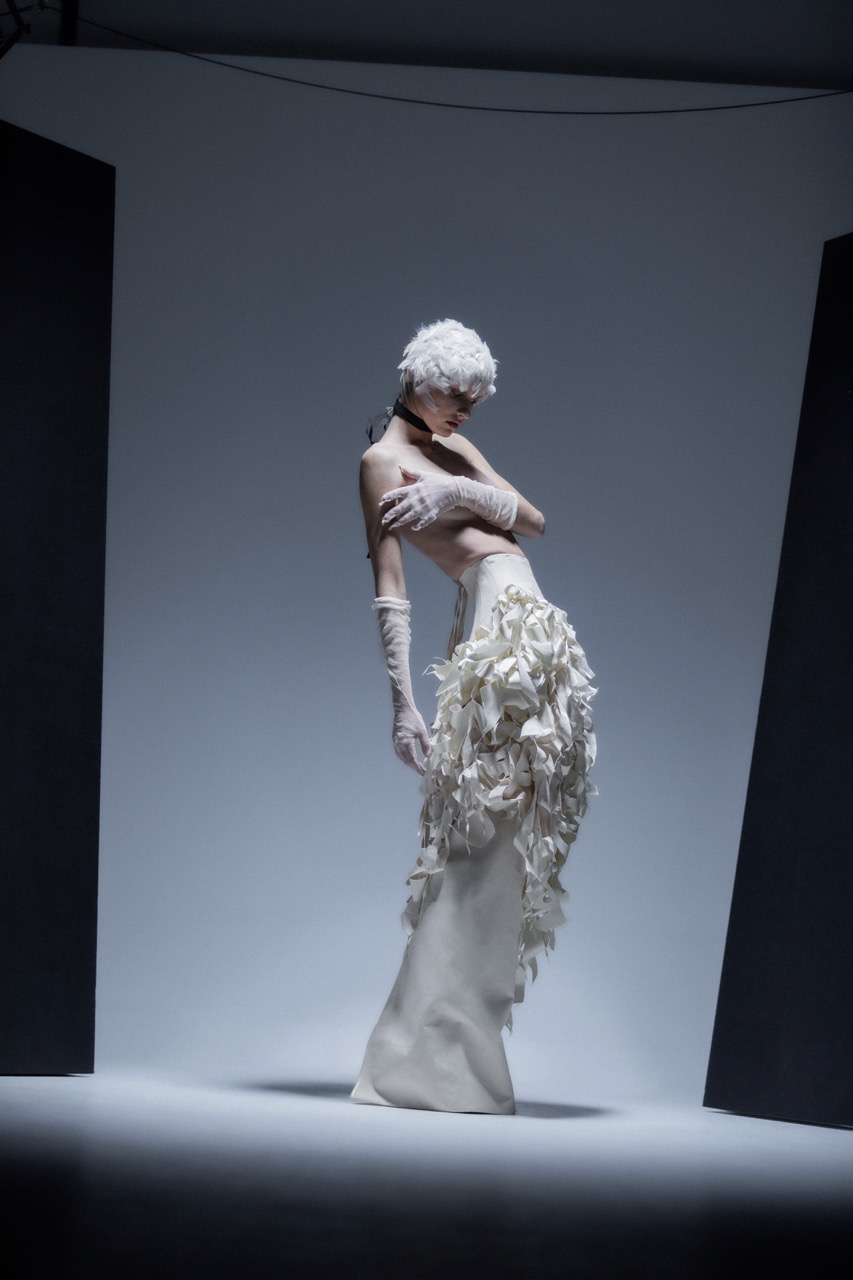
Hana Valtová has recently graduated from the Fashion and Footwear Design studio at the Academy of Arts, Architecture and Design in Prague, and connecting historical research with contemporary design has become her standard modus operandi. The tendency of young designers to reinterpret historical clothing forms has recently become standard in the field, yet for Hana Valtová it is about more than just formal training, as she often directly and meticulously researches surviving historical outfits stored in museum archives. Working with museum collections was also key for her graduate collection The Dress Diary, as the archives provided essential information about the period cuts, patterns, details and textures, providing each outfit a degree of authenticity and unique character. The collection develops from Hana’s analysis of materials and their construction, and she poignantly made use of her research in the contemporary context in using both traditional and experimental approaches.
The Dress Diary is a book that describes the unique diary of Englishwoman Anne Sykes. The book was fundamental for Hana’s project, as the diary lists many fragments of Victorian period textiles. The featured textile specimens make up a chronicle of this woman’s personal wardrobe and of her assembled textile collection, including meticulous descriptions of the materials and their provenance. Hana Valtová then used AI to create an image of a contemporary Anne Sykes in order to better capture the outfit for a “cultivated collector of clothing and dedicated art lover.” The collection’s core consists of clothes that were part of certain seminal life moments for the real Anne, who lived in Britain and Singapore: wedding dress, after-wedding breakfast dress, a dress inspired by Malaysian textiles, mourning dress and dress referencing the period interest in so-called ‘Dolly Varden’ garments. Hana Valtová expanded all of these for further variants. Part of her research also consisted in the analysis of period figure shaping in order to suit the 19th-century social ideas about the ideal body – she managed to transform the corsets and various layered support structures into a contemporary outfit and gave them new meaning. She also collaborated with Mikuláš Brukner from the KNIT-TEX company to elegantly connect her visual and haptic experience of historical textiles with newly developed materials made of knitted lace. The resulting flower-patterned knitwear was knitted into a single final form and processed by further sewing. For Hana, this opened a new creative path, connecting historical garments with the use of contemporary technologies.
Reflecting the “textile biography” of a woman from the 19th century and the meticulous study of museum collections provided the base for creating an exceptional collection of garments that show deep respect for the craft and for the personality of the woman Hana’s garments aim to represent.
Andrea Březinová
Matěj Beránek
Andrea Březinová
Joachim Dvořák
Emma Hanzlíková
Petr Jansa
Anastázie Kahotski
Michaela Kádnerová
Tereza Rosalie Kladošová
Helena Koenigsmarková
Lucie Koldová
Ján Kralovič
Terezie Lexová
Kristýna Mazánková
Michal Nanoru
Jan Plecháč
Alena Řezníčková
Martina Schneider Králová
Eva Slunečková
Nicole Štěch
Klára Tománková
Eliška Vrbová
Karolina Voňková
Jana Zielinski