2023
Producer of the Year
mmcité
Producer of the Year
mmcité

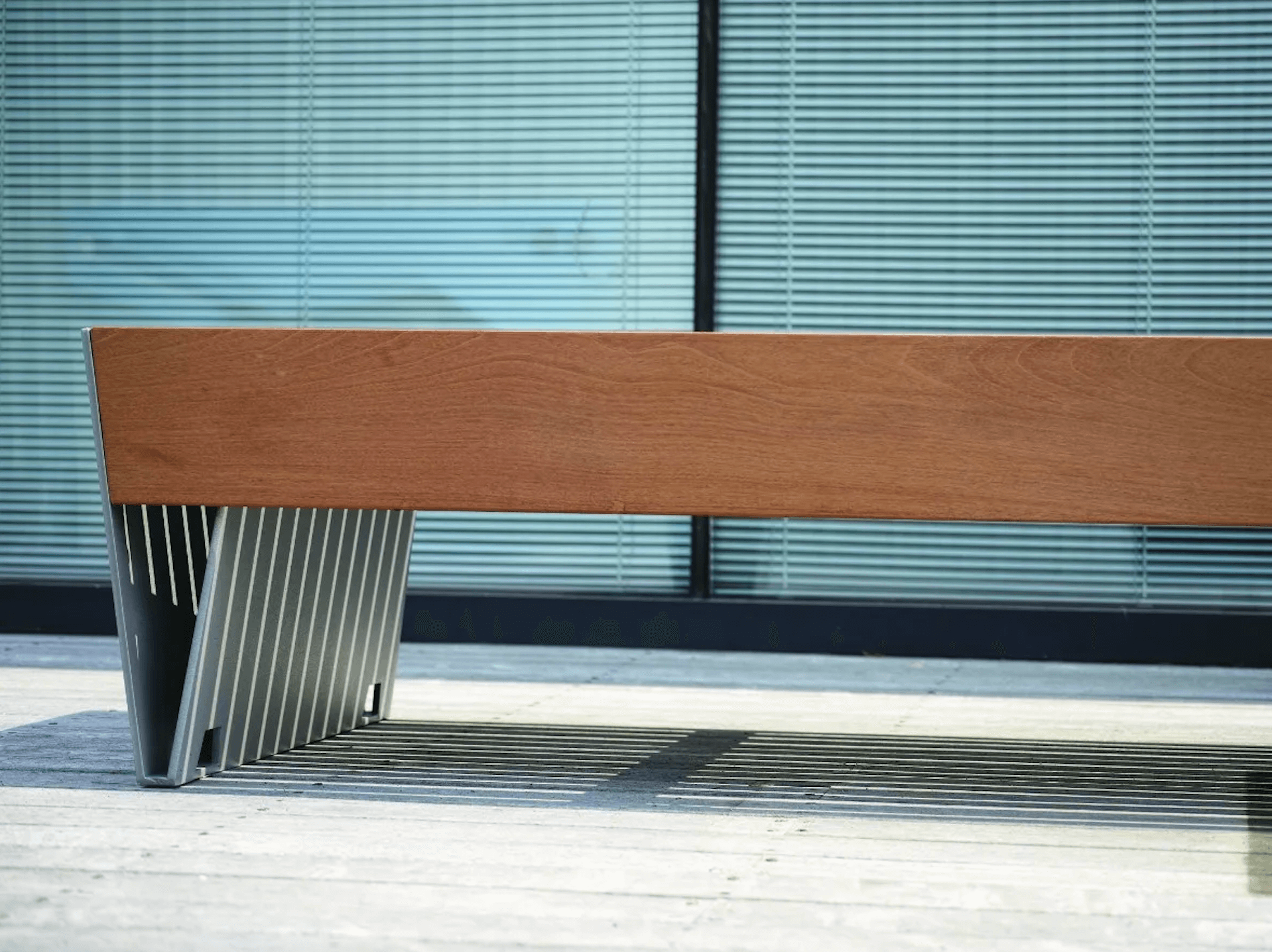
Morse collection of seating furniture (Studio Segers)
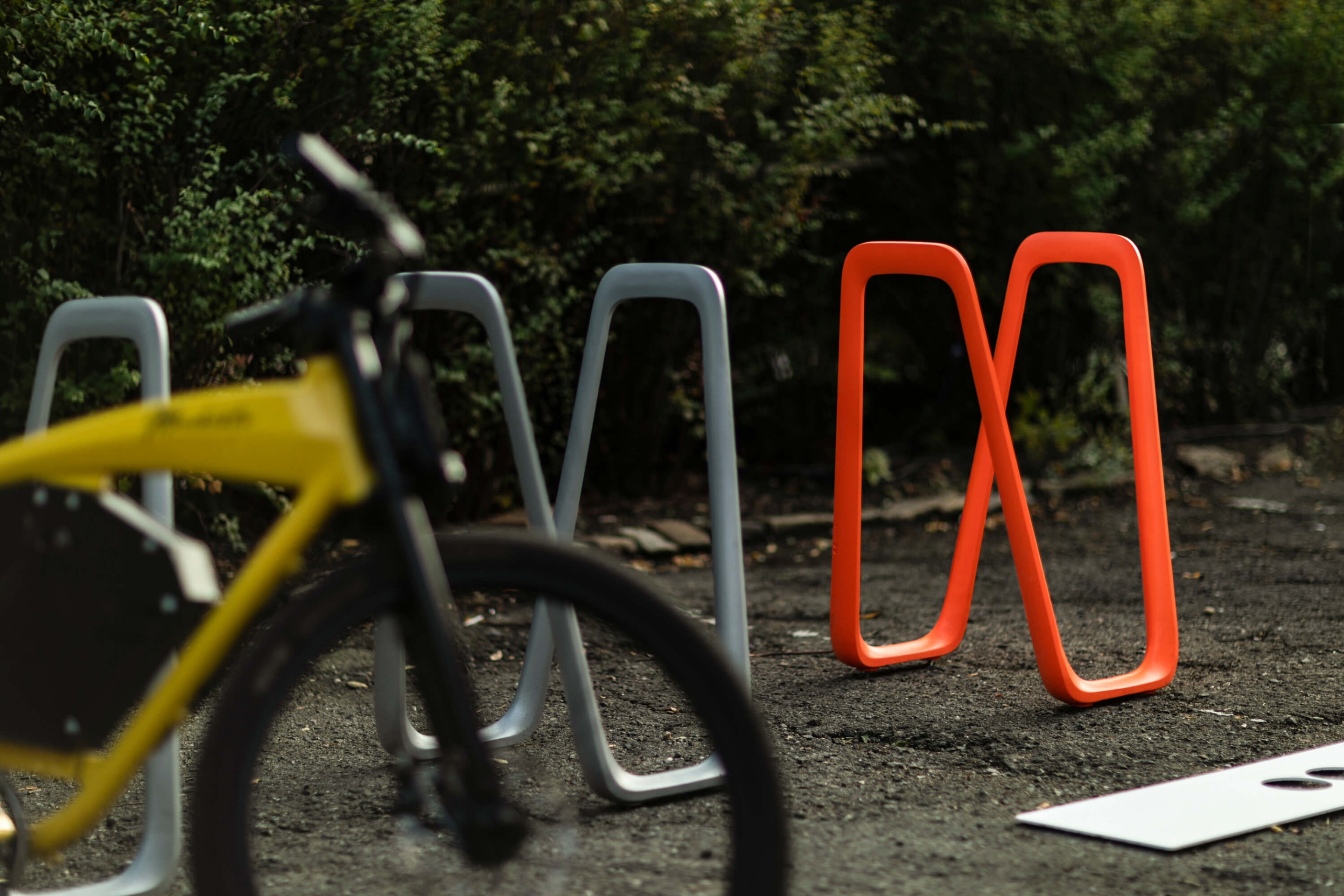
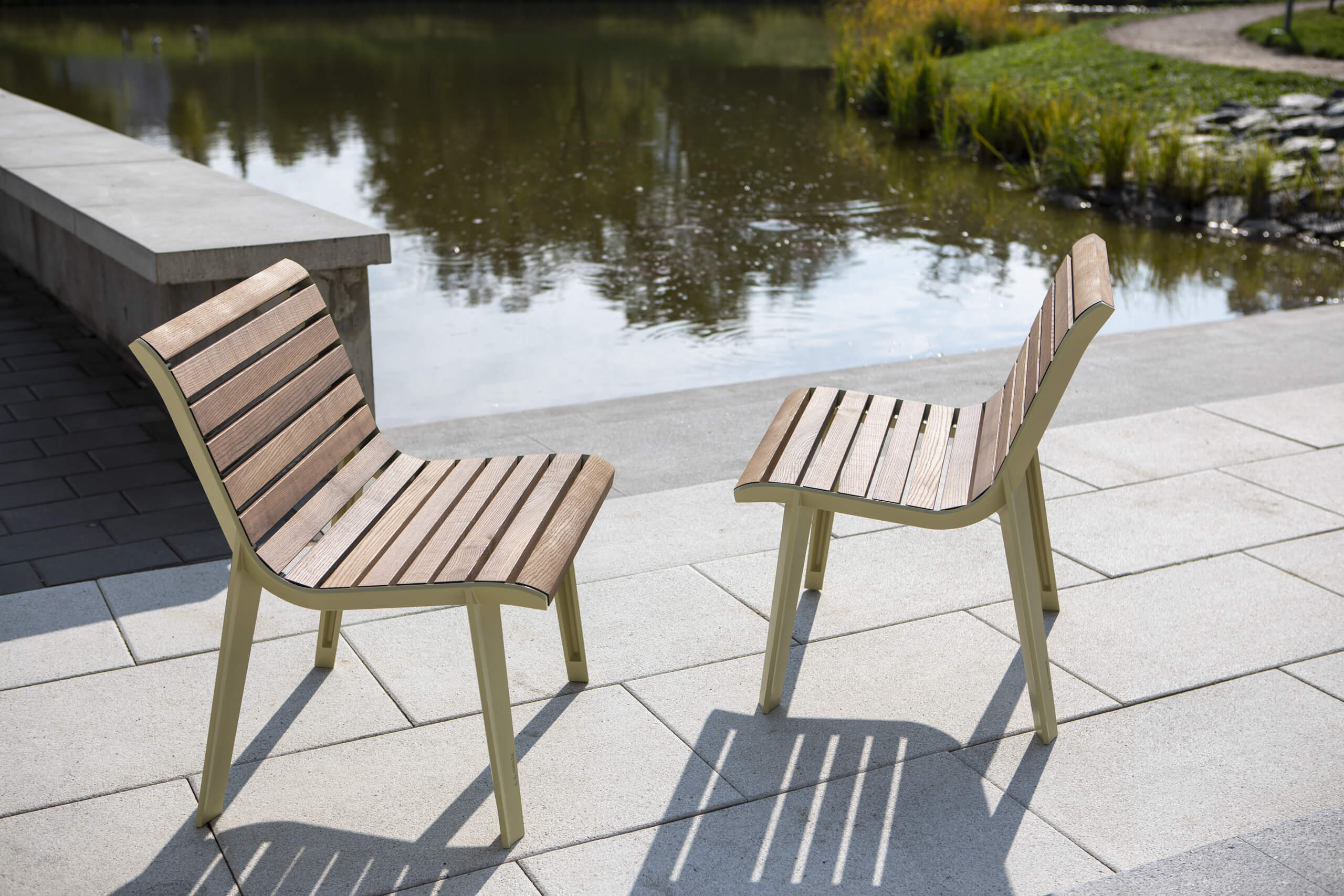
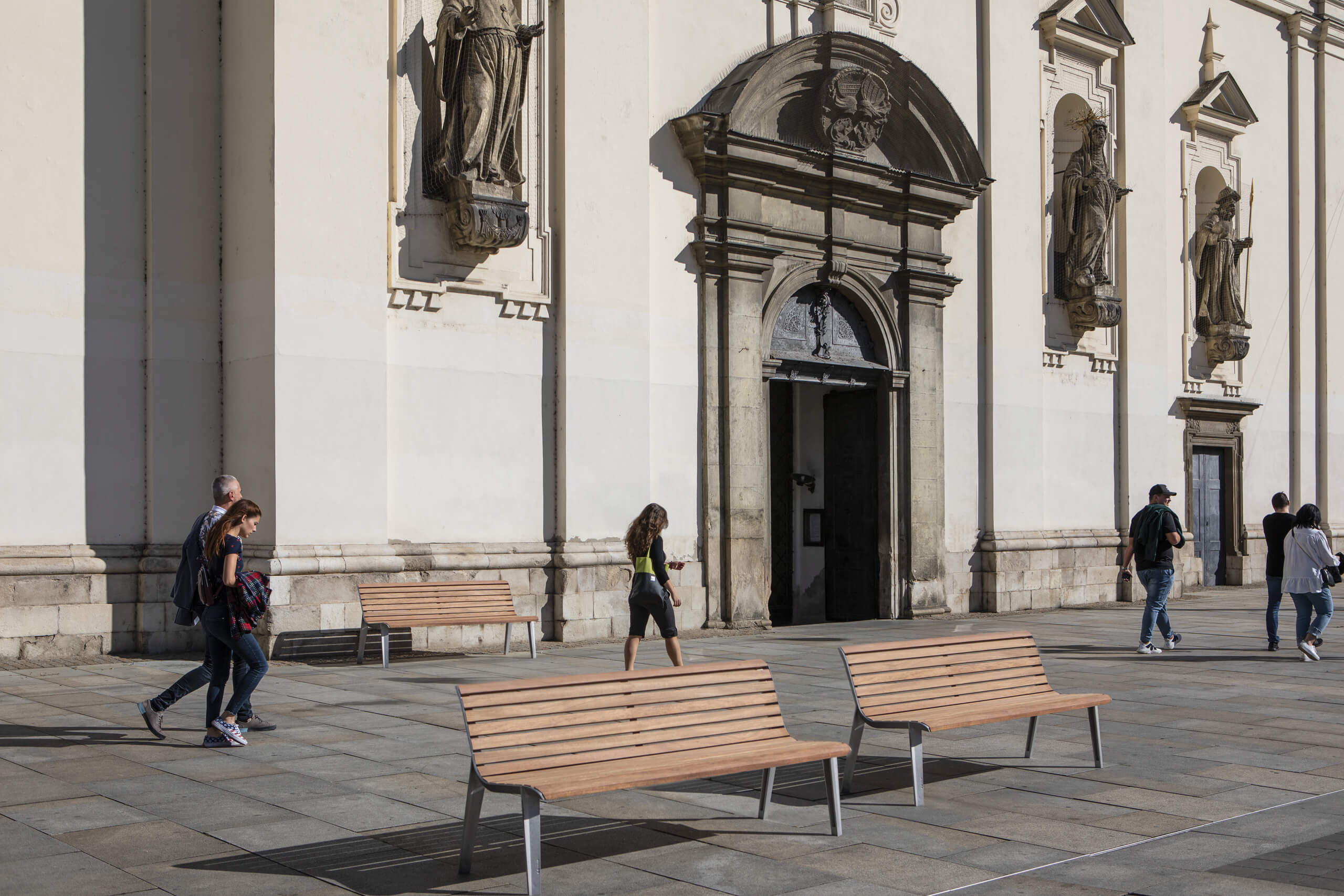
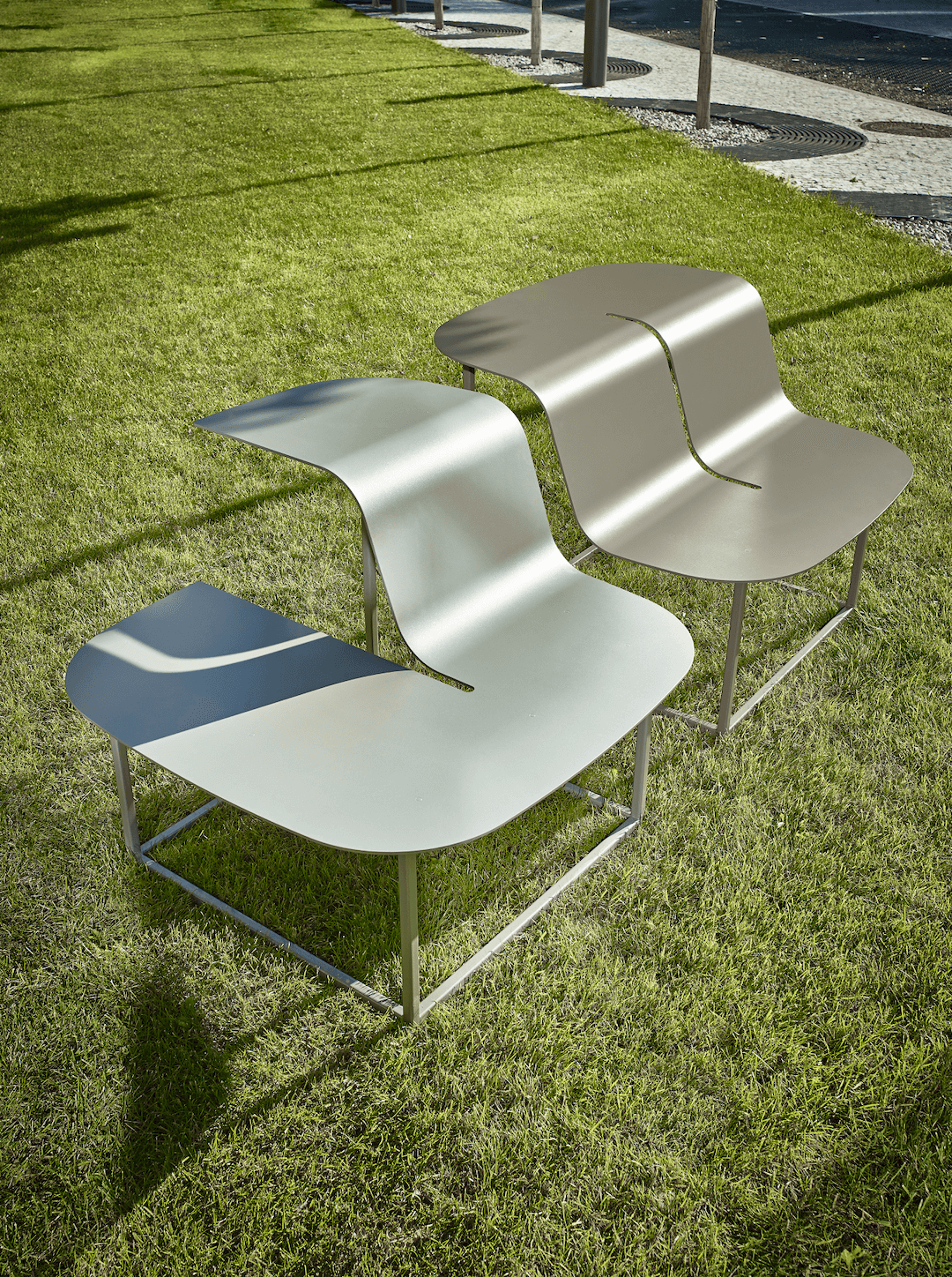
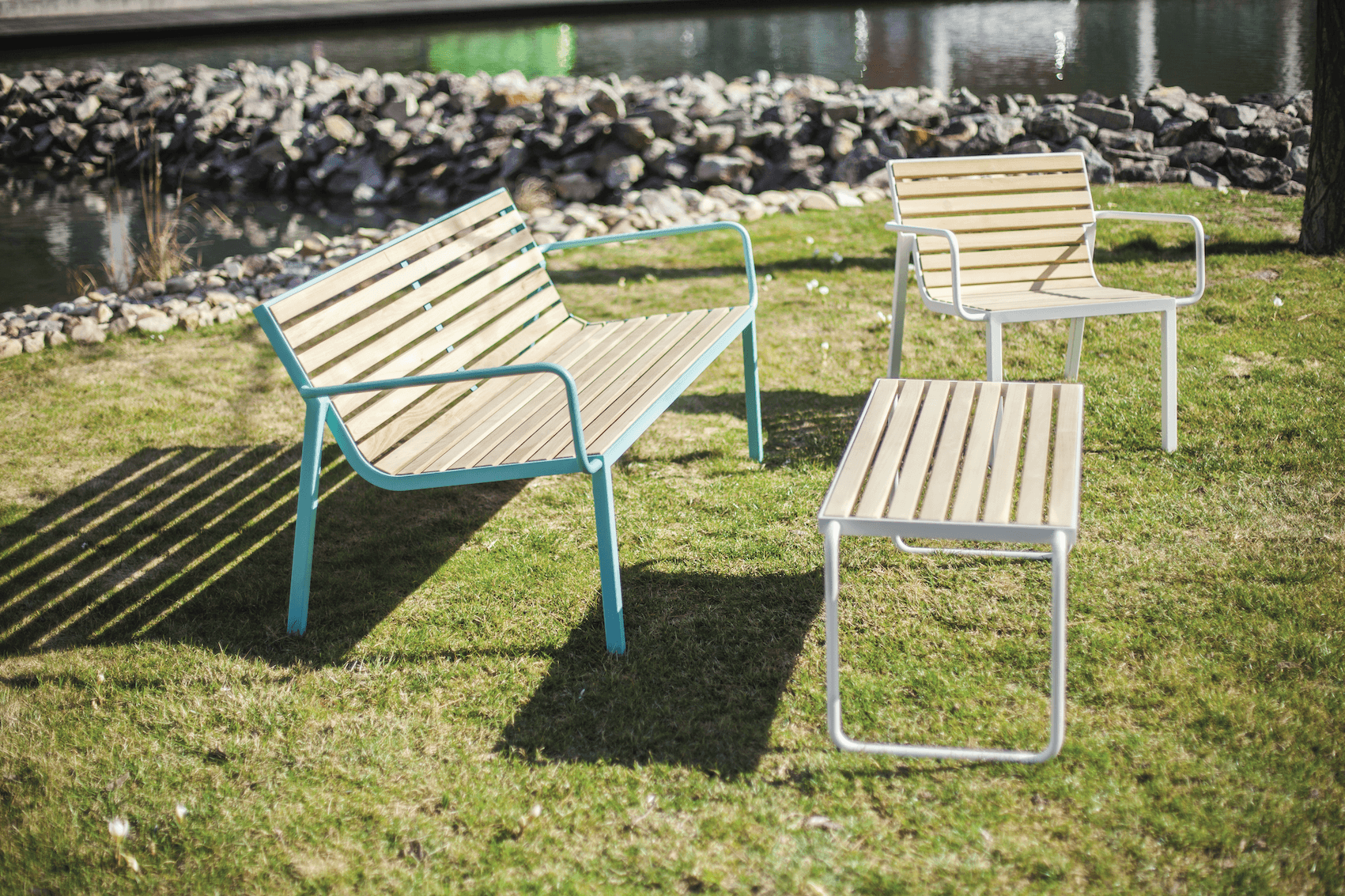


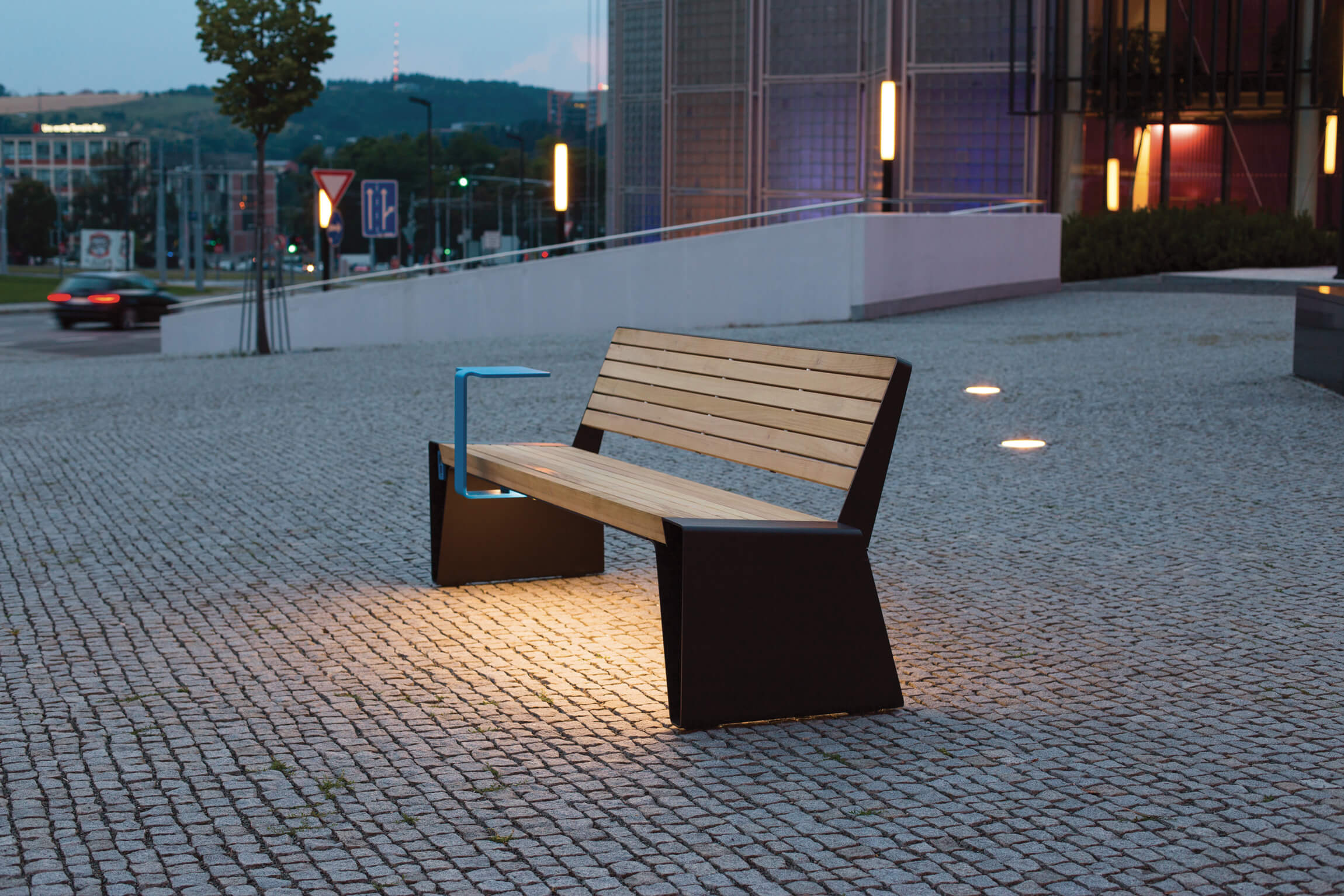
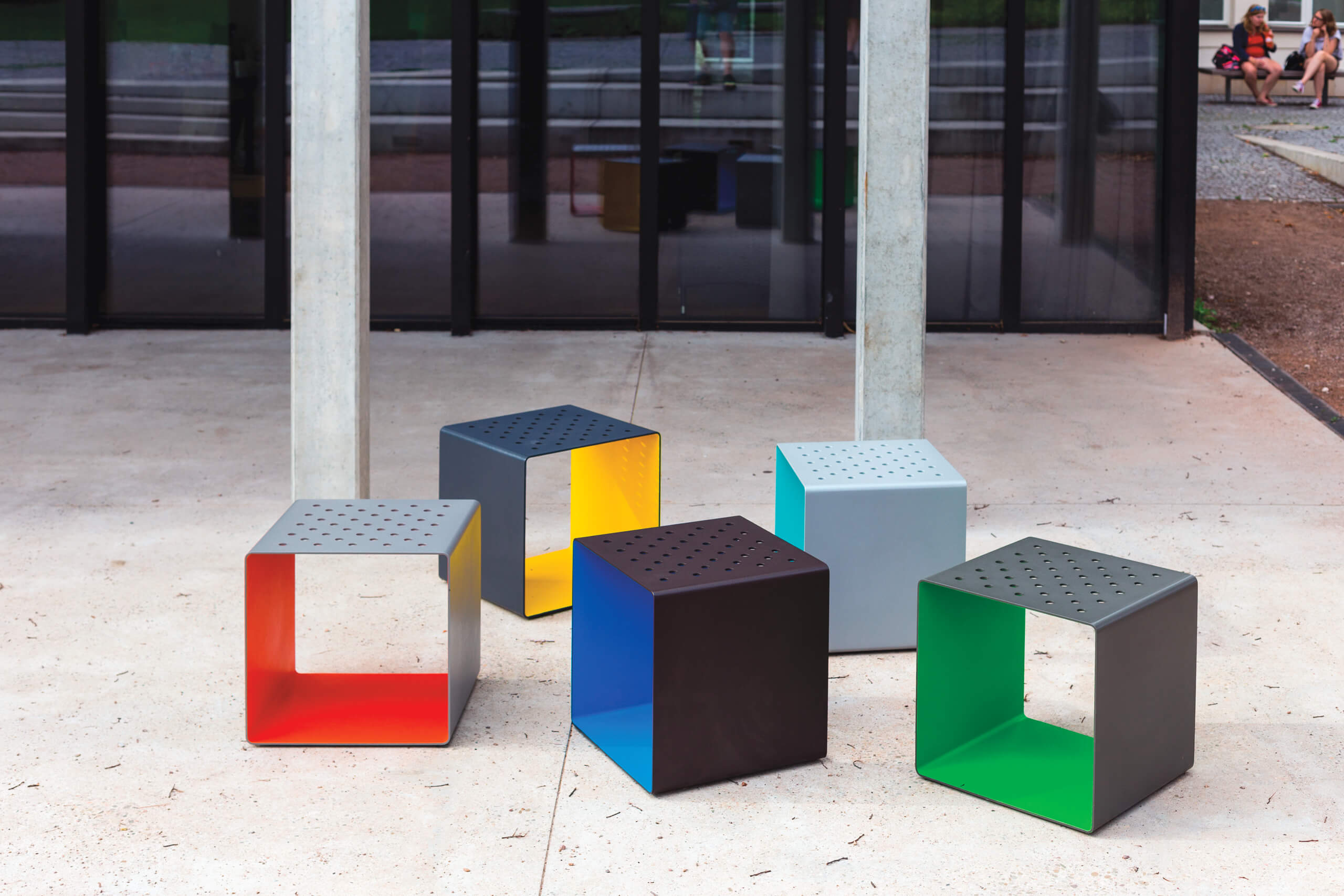
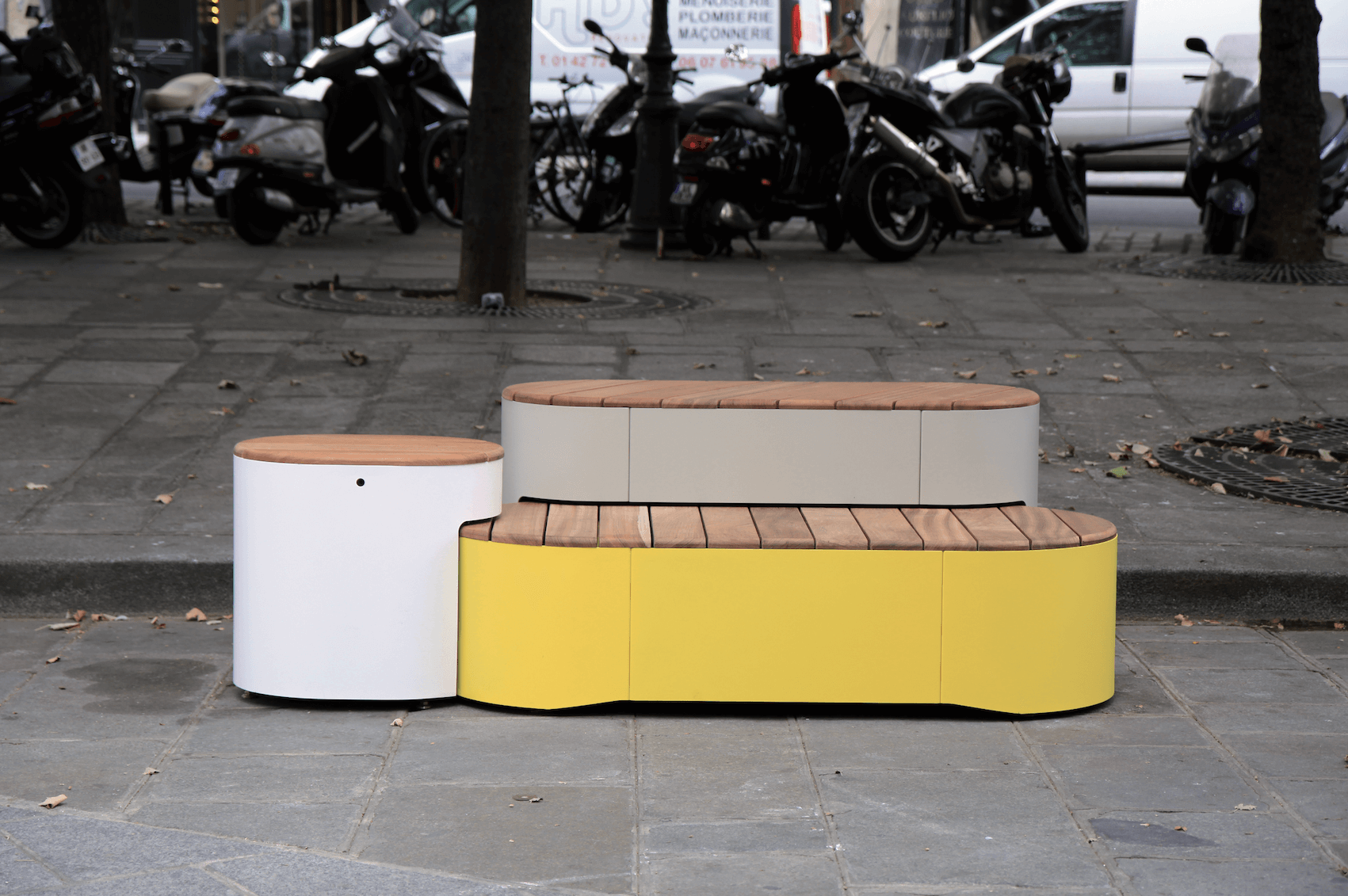
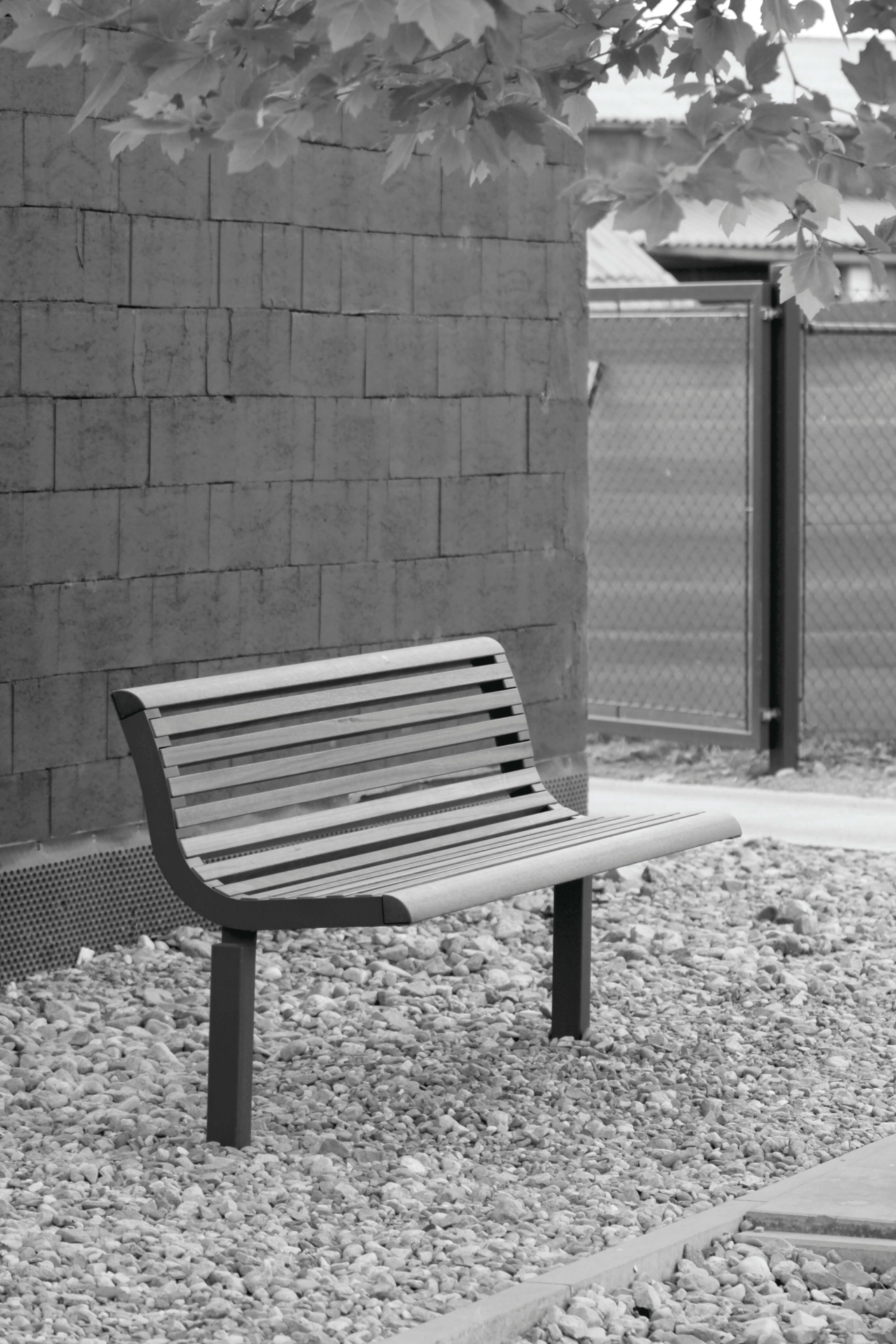
David Karásek and Radek Hegmon established mmcité during their studies of design at the Prague Academy of Arts, Architecture and Design; that was more than 22 years ago. Since then, their benches, city travel stops, waste baskets, bicycle stands, information racks, protective tree grills and other street furniture can be found in most varied parts of the world. In the supermodern Dubai as well as in an ancient Austrian abbey or in the midst of the urban development, Ørestad, in south Copenhagen, planned by the BIG studio. The fact that mmcité is up to date with the times was confirmed by their Smartcité collection which David Karásek described as follows: "We took our successful products and developed several new accessories for them. The more decorative one is the LED backlight, which enhances atmosphere, highlights the furniture's geometry and increases the feeling of safety. Because street lights are not installed everywhere, their function can be in part substituted for by the very street furniture. The more technical element is the integrated USB charging and, eventually, also a Wi-Fi source. We prepared these pleasures for our four lines of park benches – Woody, Blocq and Radium, accompanied by the Rivage chaise longue." And the round steel table, Stolki, newly integrated into benches, looks best when combined exactly with Rivage. It is realized in various colors and offers space for putting down a book, a drink or a computer. If the previous solutions enriched the existing products with smart elements, the Eblocq with six integrated lockable boxes is a completely new model. It is mainly aimed at cyclists, providing them with a space to keep their helmet or other personal objects, and in the case that they ride an electric bicycle, they can charge it via a 230V socket, and do the same with their phones or tablets via other USB ports.
Danica Kovářová

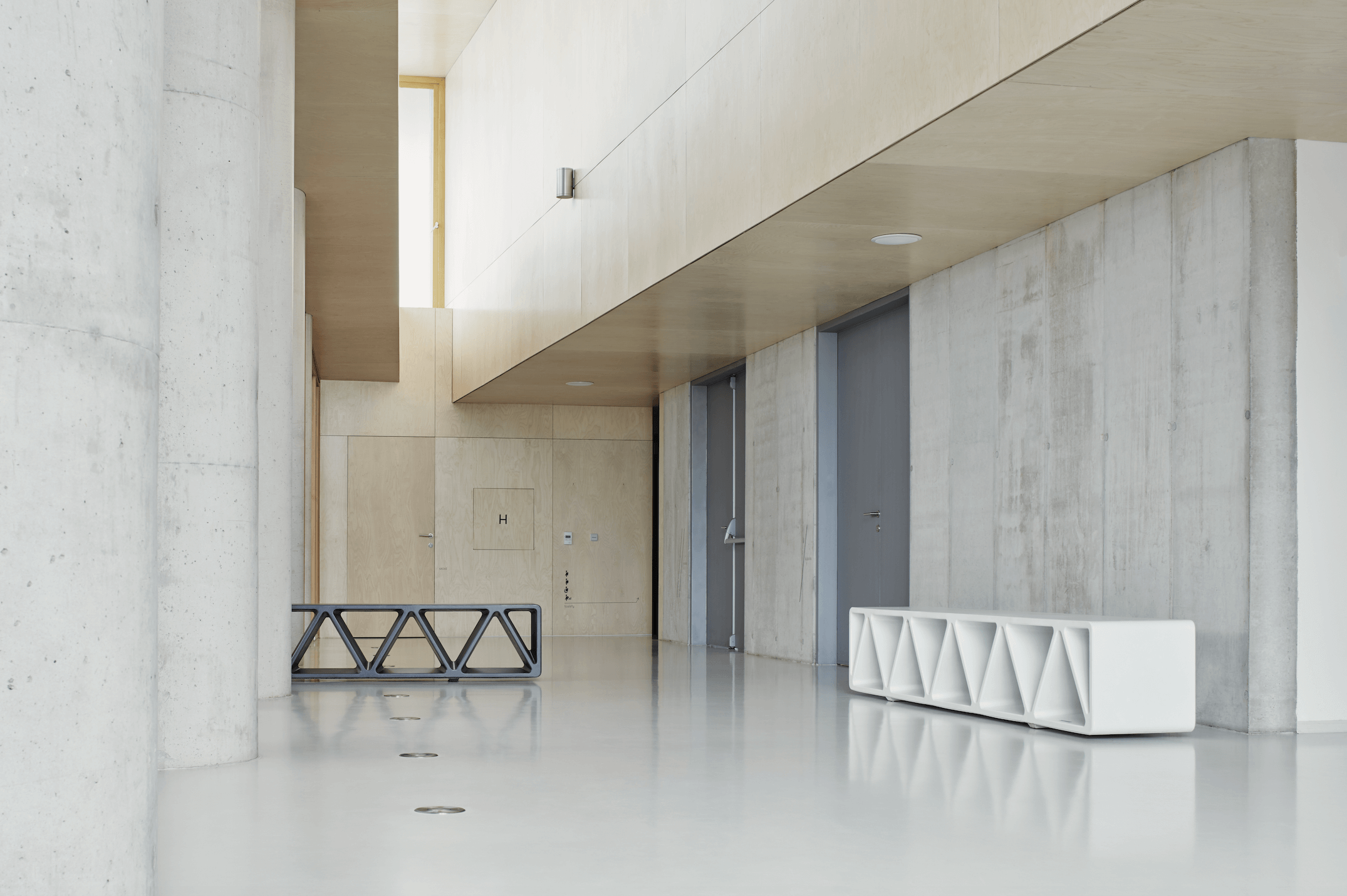
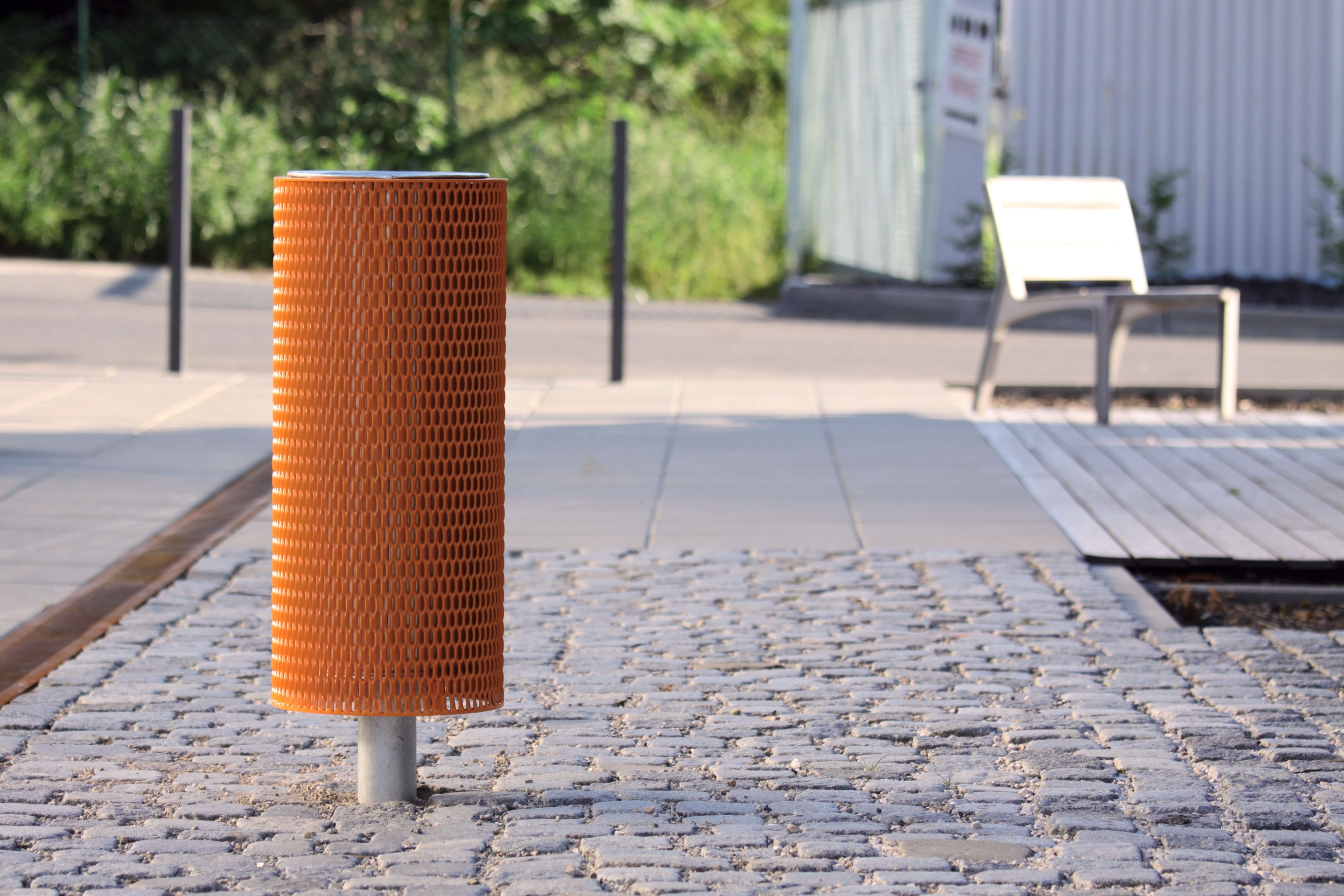
Urban movables. We encounter them on an everyday basis. The role they play is a unique example of democratic design, since they serve all residents and visitors of a given public space, and often even exceed the boundaries of an urban zone. Unfortunately, they do not always follow functional, let alone aesthetic criteria. The designers of the Czech company mmcité are well aware of all this. Their designs, uniquely and ingeniously solved using aspects of form and material, as well as technology, have contributed to the smooth refining of public space for twenty years already and not just in the Czech Republic but, literally, on a global scale. The Czech company from the Moravian village of Bílovice, founded by the designers David Karásek and Radek Hegmon, became a sought-after partner in solving the uneasy task which "inhabiting" a public space undoubtedly represents. In 2016, the company presented its new waste basket Minium – simultaneously elegant and fully functional, visually attractive and at the same time in no way disturbing in its closest environs. Its timeless design in an array of interesting material variations is a significant achievement in this specific category. Another item from the new mmcité collection which attracted much attention is the Construqta bench of high-grade UHPC concrete, the solution of which Karásek found in none too attractive at first sight – stall beam. Although the bench is rather imposing due to its dimensions, its triangular openings and rounded edges make it look lightweight and pleasant. In addition, it is well suitable for both exteriors and interiors.
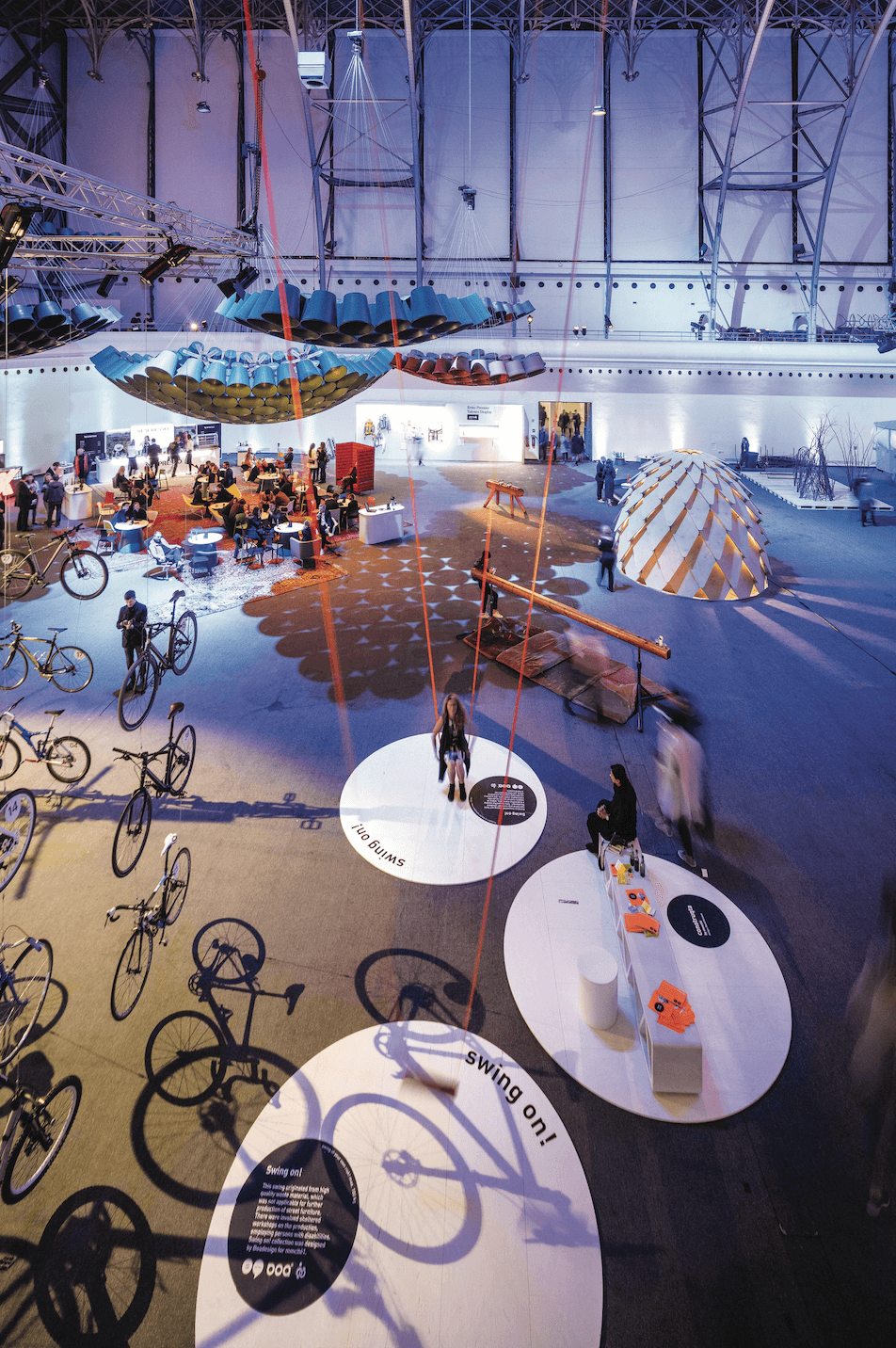
Last year, the map of places where the company's movables performed well, expanded for example with the Olympic village in Rio de Janeiro, the park by the landscape architect James Corner in Philadelphia and the Upper Station of the Skyway funicular, leading from the Aosta valley to the Mont Blanc massif. mmcité thus ranks among the small number of rare companies which have successfully propagated high-quality Czech design throughout the world. It moreover cooperates with local schools, as can be exemplified by the exceptional project of the Satellite bench by Eduard Herrmann from the Prague Academy of Arts, Architecture and Design. And to include ecology and social help, it has developed a new project of to produce gift objects, according to the designs of the Boa Design studio, by processing its own waste wood cuttings – in sheltered workshops. The first product from this collection is called Swing, which made a big impression at the last Designblok in 2016.
Tereza Bruthansová