Hall of Fame
Jan Kaplický

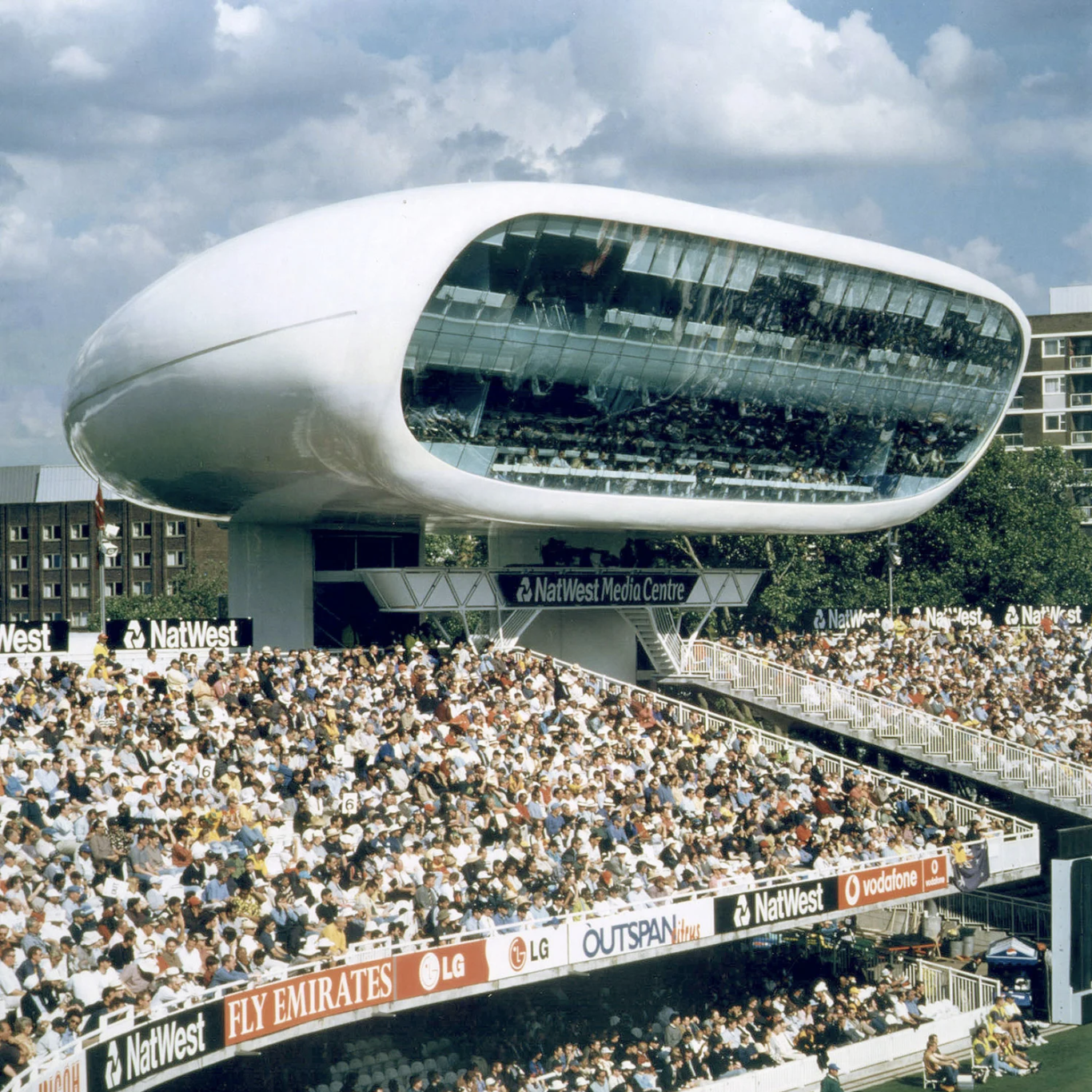


Had Jan Kaplický been 25 years old today, he probably would have studied design instead of architecture. However, because no clear distinction was made between these two disciplines in the late 1950s, Jan Kaplický never differentiated between them either. For him, architecture was a complex field that included designing everything, the entire private world. Although he was a visionary, his visions were very personal. He did not draw abstract concepts; the recipients of his designs were usually an individual or a couple, even when he was designing large buildings for institutions or stores; his structures were never anonymous, but intimate in the sense that they addressed a person directly, demanding a personal response due to their extraordinary qualities. In fact, his buildings are enlarged plastic objects; he conceived buildings that would be made like products in a factory like an aluminum and glass bonnet. An initial inspiration from the aesthetics of airplanes and ships later gave way to inspiration found in the aesthetics of life: plants, fish, sea animals, a drop of water, and the human body. His interest in the exceptionality of ordinary things led him to design individual objects: a champagne container for a restaurant in London, furniture prototypes, and jewelry. Thus, he was able to apply his extraordinary gift for sculpture; the luscious elegance of his organic shapes can be distinguished immediately. He shifted his work to product designs for lot production very late in his career: the first designs of the tea and coffee sets for Alessi were made in 2001, with production launched in 2003. The Flora lamp, designed for Fontana Arte, was presented at the Milan fair in 2007. He also designed dining and beverage sets, including cutlery for Alessi, which were launched under the Bettina label last year. He was interested in the culture of everyday life and managed to elevate it to festivity.
Jana Tichá