2
Discovery of the Year
Pavel Coufalík
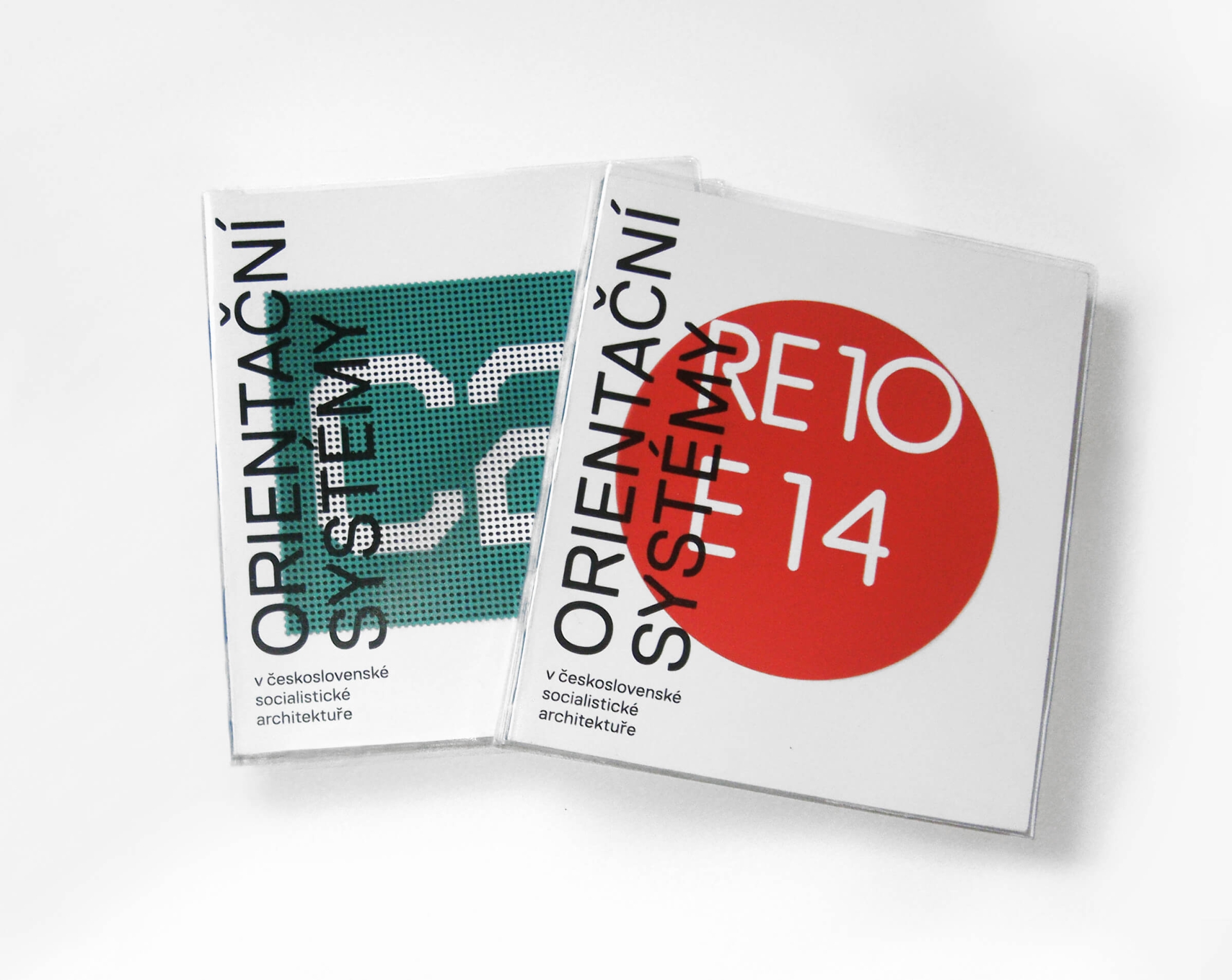
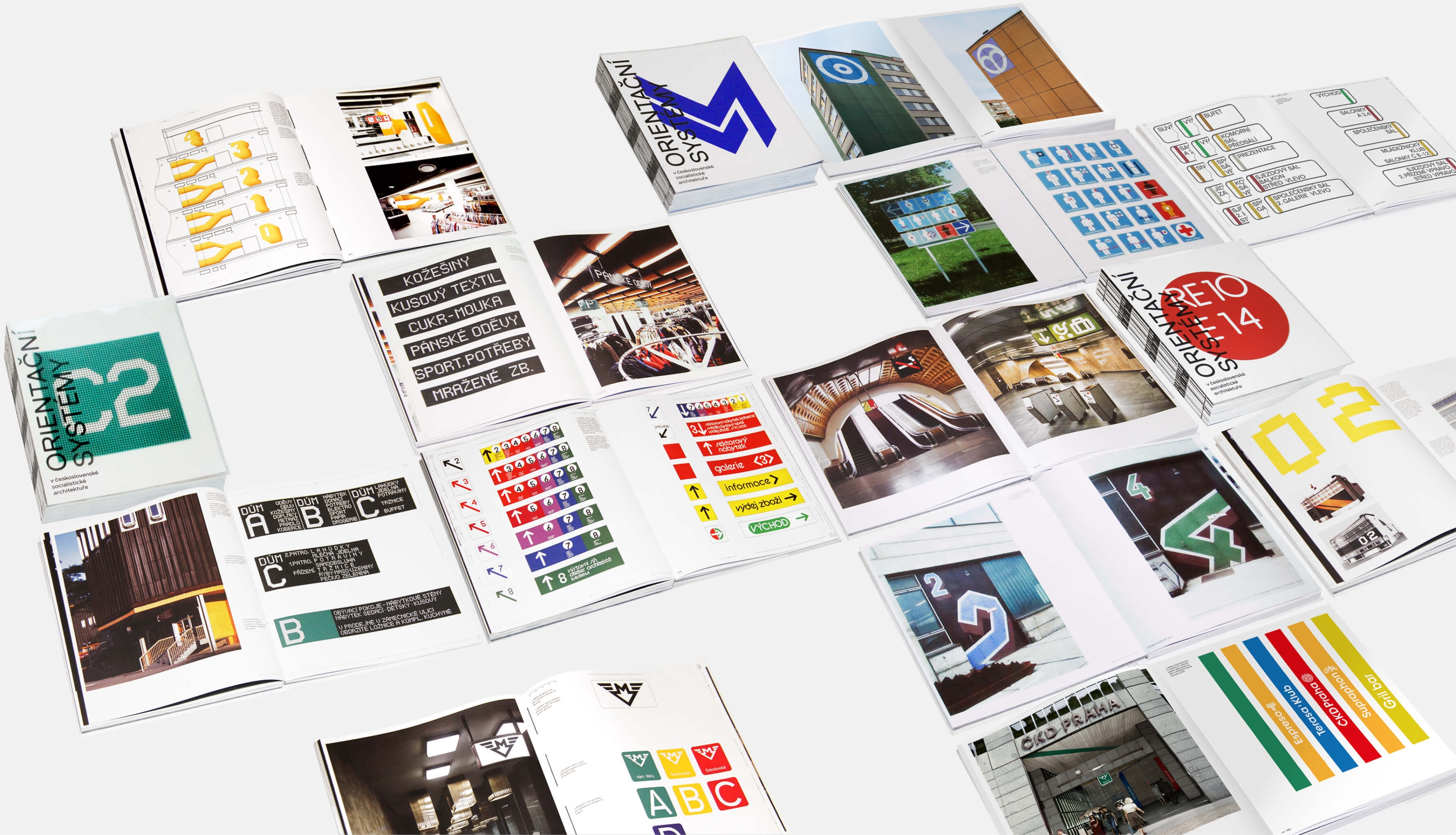
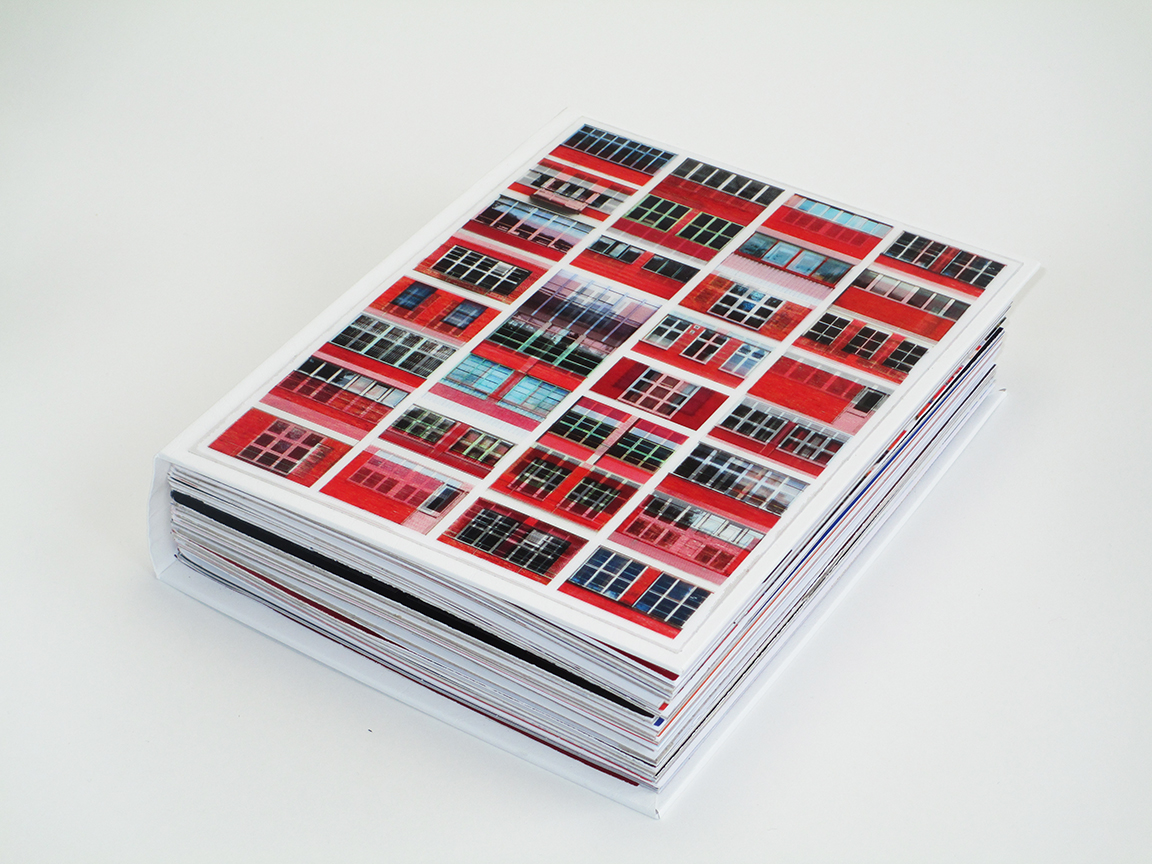
Some time ago, the author decided to seek and map out the orientation systems found in the architecture of, what was once, the Czechoslovak Socialist Republic, and eventually offered the result of his research in a unique, more than 500-page publication of his own design. His sources were professional literature, archives as well as buildings that hid the surviving graphic treasures. "The main impulse for me was the perpetual non-existence of any publication which would attempt to seize the subject on a systematic basis, despite the fact that some of the realizations represent a significant part of the history of Czech graphic design," says Coufalík.
The concept of the book divides the discussed buildings according to their purpose which allows for better comparison of the individual graphic designs. The author's selection presents 32 examples of orientation systems. For the sake of better legibility of the scale, the designer chose to give the publication a rather technical form. The edges of pages display codes referring to the real dimensions, and readers can thus better understand the presented features. This is also why Pavel has digitized the newly discovered set of digits by Jiří Rathouský. It was created in 1975 for numbering trams, but actually never came into effect. The book has a protective plastic slip which can be printed over, therefore providing for an endless array of cover variations.
The publication is a unique reminder of how extremely important it is to design the systems of orientation in a complex manner. It is a deep look inside already perished architectures and it synoptically summarizes the cross-section through this field. The graphic design well corresponds with the selected subject, thus effectively augmenting the experience of the found material.
Radka Machalická