Photographer of the Year
Nikolas Tušl
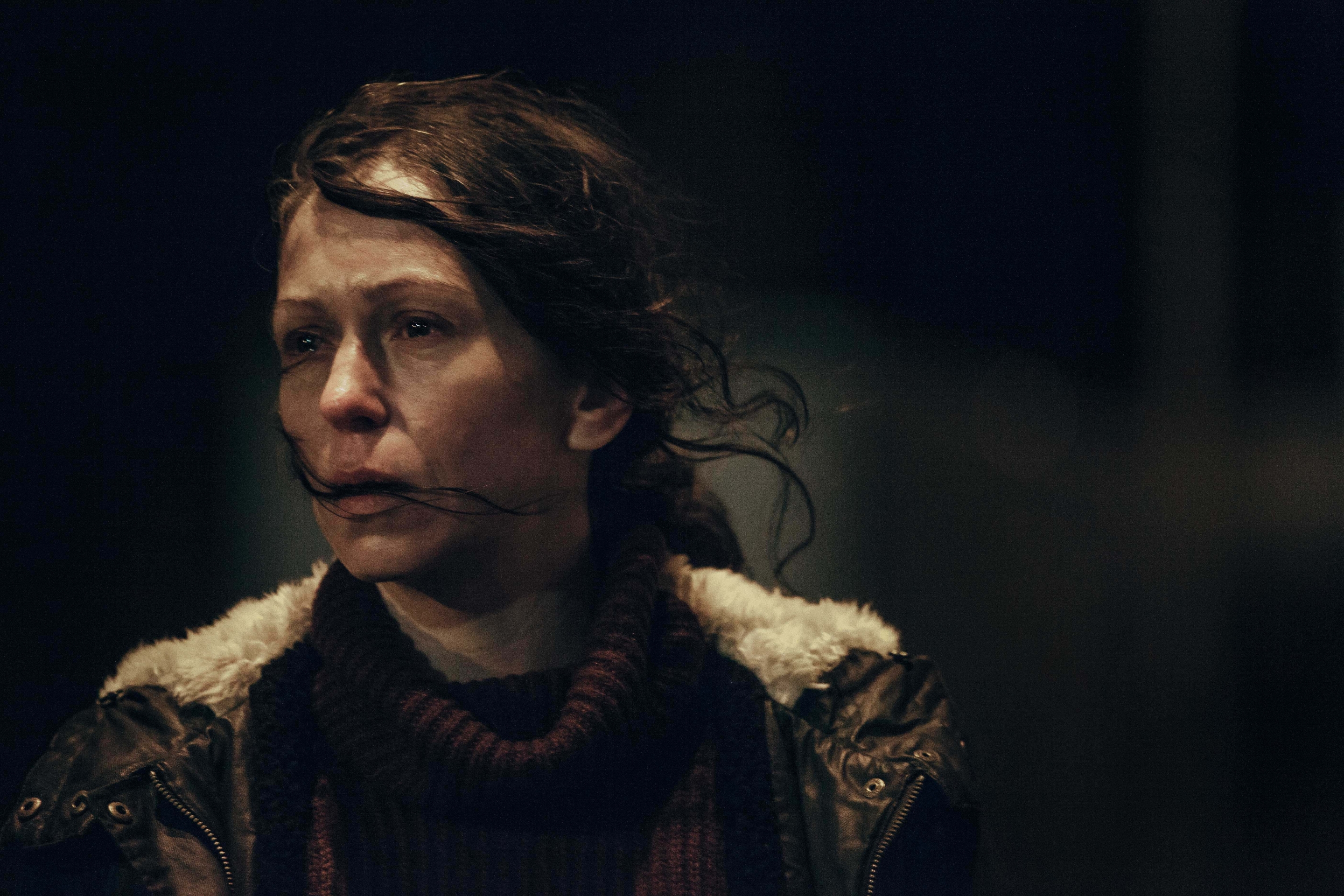
"They don't need to be perfect, but must not be stupid, either," Nikolas Tušl says about his photographs, and the field of film photography is not an exception in this respect. The 28-year-old artist, who began to refine his visual morphology as a teenager filming skateboarding videos, managed to unexpectedly resuscitate and adopt the genre of film still photography, which has long been underestimated and perceived as merely an auxiliary discipline. But not in the way how he himself interprets it. Having participated in the projects Polish Film, Mammon, Places, Lost in Munich and The Blaník Office, Tušl's photographs from the HBO series Wasteland represent a culmination of his lifelong efforts. Instead of solely being promotion material, they are a suggestive documentary from the fictitious world of a detective story. Tušl spent generous 39 days on location. The result is a visually convincing and even independently comprehensible cycle which alternates portraits of the main protagonists and action scenes, group scenes and minute still-lifes, but also shots of dismal and depopulated landscapes where the criminal story unfolds. Tušl does not take the established path of the usual "film stills", but approaches the subject sometimes as a reporter and a documentarian, and other times as a portrait photographer trying to seize the character of the heroes. He captures both the drama and the anxiety of the dwellers of the fictitious village Pustina, which for him – and, subsequently, for the viewers becomes absolutely real at the given moment.
Pavel Turek